Efficient Tips to Improve Heating Solutions for Winter and Spring
As winter tightens its grip and spring workloads loom, reliable heating becomes more than a comfort—it becomes a necessity. For local businesses and farms across Delaware and the surrounding region, heating performance directly affects productivity, equipment protection, and operating costs. Planning ahead and making smart improvements now ensures dependable performance through the coldest months while positioning systems for a smooth transition into spring. By focusing on heating solutions for winter, property owners gain control over energy use, reduce downtime, and protect long-term investments.
Understanding Seasonal Heating Demands
Winter places the greatest strain on heating systems. Extended runtimes, fluctuating outdoor temperatures, and increased occupancy levels all push equipment harder than at any other time of year. In commercial and agricultural settings, uneven heating can disrupt workflows, damage stored materials, or compromise livestock comfort. Spring introduces its own challenges, with temperature swings that require systems to respond efficiently without excessive cycling. Addressing these seasonal demands begins with understanding how systems perform under stress and where improvements deliver the most value.
The Role of Preventive HVAC Maintenance
Consistent HVAC maintenance remains one of the most effective strategies for improving heating performance and ensuring system reliability throughout the winter season. Well-maintained systems operate more efficiently, respond more quickly to temperature changes, and experience fewer disruptions during periods of peak demand. Preventive maintenance allows heating equipment to function as designed, reducing unnecessary strain on internal components and improving overall energy efficiency.
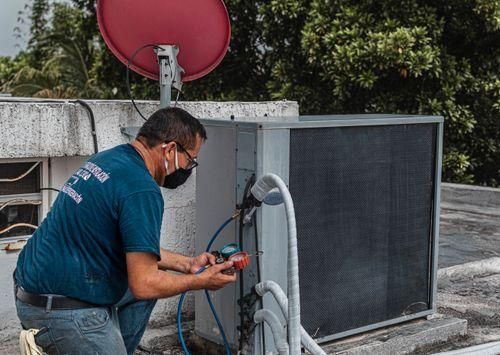
Routine inspections play a critical role in identifying potential issues before they escalate into costly failures. During scheduled service visits, technicians assess system components for wear, check airflow pathways for restrictions, and verify that controls are properly calibrated. Addressing these concerns early helps prevent unexpected breakdowns, improves system responsiveness, and extends the lifespan of critical equipment. For businesses and farms that rely on continuous heating, scheduled HVAC maintenance service minimizes unplanned downtime and supports uninterrupted operations during the coldest months of the year.
Preventive care also plays an essential role in maintaining safety and regulatory compliance, particularly in facilities that rely on combustion-based heating systems. Clean burners, properly vented exhaust pathways, and tested safety controls reduce the risk of carbon monoxide exposure, fire hazards, and system malfunctions. Maintaining these components not only protects people and property but also contributes to more efficient combustion and stable system operation. When safety and efficiency work together, heating systems deliver dependable performance under demanding conditions.

Optimizing Heating Systems for Cold Weather Performance
Cold-weather performance depends on far more than the age of a heating system alone. Proper system sizing, balanced airflow, and effective control strategies all play a critical role in how efficiently heat is distributed throughout a space. Even newer systems can struggle during winter if they are improperly sized or connected to outdated ductwork. When heating equipment is forced to operate outside its optimal range, energy consumption increases and overall comfort declines.
Older buildings often present additional challenges during cold weather. Poorly sealed doors, insufficient insulation, and unbalanced or leaking ductwork allow heat to escape before it reaches occupied areas. These inefficiencies cause heating systems to run longer cycles, placing added strain on internal components while driving up energy costs. Addressing these structural issues helps systems deliver consistent warmth without excessive runtime or uneven temperature distribution.
Professional assessments conducted by an experienced HVAC contractor provide valuable insight into system performance under winter conditions. Technicians evaluate airflow patterns, duct integrity, thermostat placement, and system capacity to identify opportunities for improvement. Targeted upgrades—such as installing zoning controls, integrating variable-speed motors, or upgrading to advanced thermostats—allow heating systems to respond more precisely to changing temperature demands.
These improvements reduce unnecessary cycling, improve energy efficiency, and enhance overall comfort during cold weather. By optimizing system design and controls, property owners create heating solutions that perform reliably, efficiently, and consistently throughout the winter season.

Planning Ahead with Heating Installation Upgrades
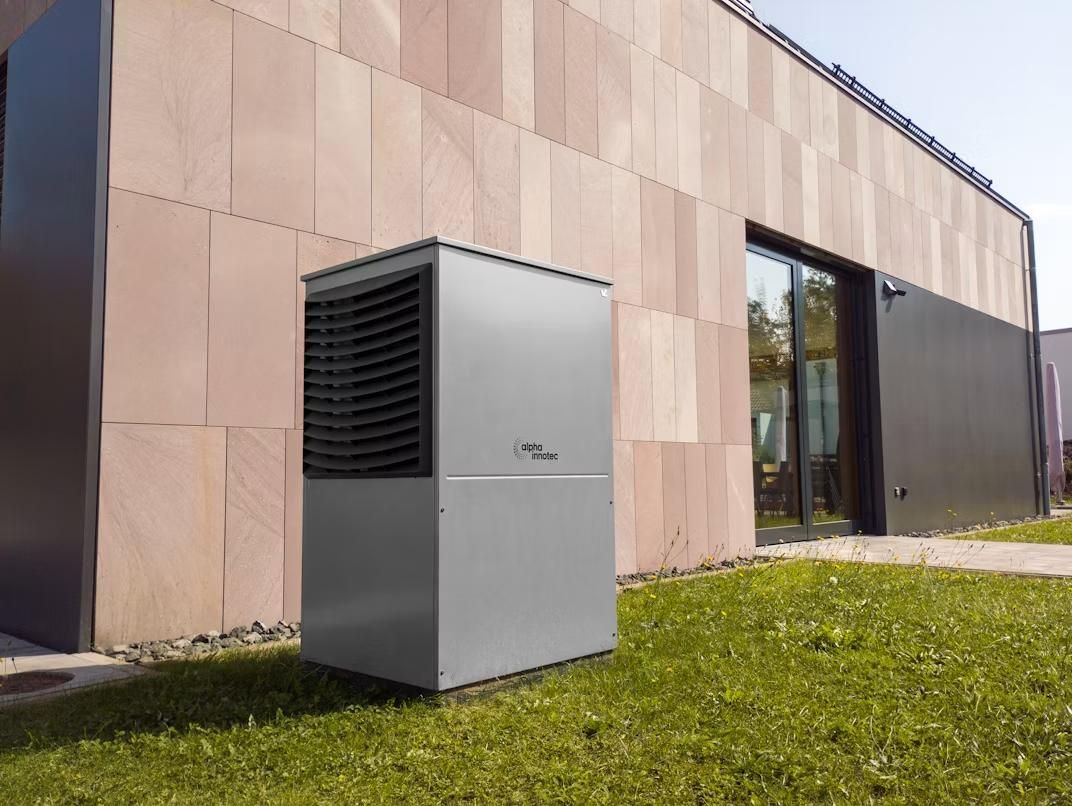
For some properties, incremental improvements are no longer enough. Aging equipment often lacks the efficiency and reliability required to meet modern demands. Investing in heating installation in Delaware provides an opportunity to upgrade to high-efficiency systems designed for consistent performance across a wide temperature range. New installations deliver improved heat output, reduced fuel consumption, and advanced controls that support smarter energy management.
Businesses and farms benefit from installations tailored to their specific usage patterns. Whether heating large open spaces, workshops, barns, or office environments, modern systems provide scalable solutions that balance comfort and cost control. Planning installations during winter or early spring also avoids peak-season delays and allows operators to budget proactively.
Managing Energy Costs Through Smart Heating Strategies
Heating costs represent a significant portion of operational expenses during winter. Without a clear strategy, energy use can quickly exceed expectations. Implementing smart heating practices helps stabilize costs while maintaining comfort. Monitoring system performance, setting realistic temperature targets, and scheduling maintenance all contribute to more predictable energy usage.
Working with a trusted heating company in Delaware provides access to expertise that aligns system performance with budget goals. Technicians evaluate energy usage trends and recommend solutions that reduce waste without sacrificing reliability. Over time, these strategies create measurable savings and support long-term financial planning.

Addressing Repairs Before They Disrupt Operations
Unexpected breakdowns pose serious risks during winter. Frozen pipes, equipment failures, and unsafe conditions can halt operations and lead to expensive emergency repairs. Prompt attention to early warning signs minimizes these risks. Inconsistent heating, unusual noises, or rising energy bills often signal underlying issues that require professional attention.
Reliable HVAC repair in Delaware restores system performance quickly while preventing further damage. For multi-location businesses or farms operating across state lines, access to HVAC repair service in Maryland ensures consistent support regardless of location. Timely repairs extend equipment lifespan and maintain safe operating conditions throughout the winter season.
Preparing for the Transition Into Spring
As winter gradually gives way to spring, heating systems are required to adjust to a very different set of demands. While deep cold may ease, spring introduces unpredictable temperature swings that can challenge systems that are outdated, poorly maintained, or improperly configured. Cold mornings followed by warmer afternoons require heating equipment to cycle efficiently and respond accurately to changing conditions. Preparing for this transition does not begin in spring—it starts during winter by ensuring systems are operating reliably across a broad range of temperatures.
Clean internal components, properly calibrated controls, and balanced airflow allow heating systems to respond smoothly as heating demand decreases. When systems are maintained throughout winter, they are better equipped to modulate output without excessive cycling or energy waste. This responsiveness helps prevent wear caused by frequent on-off cycles and supports consistent indoor comfort during fluctuating spring conditions. Systems that struggle during winter often show even greater inefficiencies during seasonal transitions, making early preparation essential.
Spring preparation also presents an opportunity to evaluate system performance holistically. Winter operation reveals how equipment handles sustained workloads, peak demand, and real-world environmental stress. Reviewing system behavior during this period provides valuable insight into inefficiencies, airflow limitations, or capacity shortfalls that may not be obvious during milder seasons. Addressing these findings proactively allows property owners to plan upgrades and improvements on their own timeline rather than reacting to failures later in the year.
For commercial and agricultural operations, planning ahead is particularly important. Spring often coincides with increased activity, production shifts, or facility usage changes. Heating systems that are already optimized for efficiency and responsiveness reduce the risk of operational disruptions during this transition. Businesses that take a strategic approach to seasonal change avoid rushed decisions, unplanned downtime, and costly emergency repairs that can impact productivity.
Why Professional Expertise Matters
Heating systems serving commercial, industrial, or agricultural properties are far more complex than residential equipment. System design, load calculations, zoning requirements, and safety considerations vary significantly depending on building size, layout, occupancy patterns, and operational demands. Facilities such as warehouses, greenhouses, livestock buildings, or multi-use commercial spaces require heating solutions that are tailored to specific environmental and regulatory needs.
Partnering with an experienced HVAC contractor ensures that heating systems are evaluated and managed with this complexity in mind. Professional technicians understand how building use, ventilation requirements, and seasonal workloads affect system performance. They assess not only whether equipment is functioning, but whether it is functioning optimally for the property’s specific application. This level of insight is critical when preparing systems for seasonal transitions.
Professional expertise also supports long-term planning and risk management. Rather than focusing solely on immediate repairs, experienced providers help businesses develop maintenance schedules, performance benchmarks, and upgrade strategies that align with operational goals. They identify opportunities to improve efficiency, reduce energy consumption, and extend equipment lifespan while ensuring compliance with safety standards and regulations.
Reliable HVAC services in Delaware offer added peace of mind during the most demanding seasons. When systems are supported by knowledgeable professionals, property owners can focus on core operations without worrying about unexpected heating failures or performance limitations. Expert guidance transforms HVAC management from a reactive expense into a strategic asset that supports stability and growth.
Investing in Long-Term Heating Reliability
Improving heating performance delivers benefits that extend far beyond immediate comfort. Efficient systems operate with less strain, reducing wear on critical components such as burners, motors, and control systems. Over time, this reduced stress translates into fewer breakdowns, lower maintenance costs, and extended equipment lifespan. For businesses and farms operating through winter workloads, reliability is not a convenience—it is a necessity.
Reliable heating systems also contribute directly to productivity and asset protection. In commercial environments, consistent indoor temperatures support employee comfort, protect inventory, and maintain equipment performance. In agricultural settings, dependable heating safeguards livestock, crops, and sensitive infrastructure from temperature-related risks. Even brief system failures during cold weather can result in significant operational losses, making reliability a critical investment.
Strategic investments in heating solutions made during winter position property owners for smoother seasonal transitions. By addressing performance issues early, planning upgrades thoughtfully, and relying on professional expertise, businesses gain greater control over operating costs and system behavior. These investments reduce uncertainty and help organizations plan confidently for future seasons.
Focusing on heating solutions for winter ultimately creates long-term value. Systems that are properly maintained, professionally managed, and thoughtfully upgraded remain dependable year after year. As spring approaches and demands shift, well-prepared heating systems adapt seamlessly, supporting comfort, efficiency, and operational continuity well into the future.
Take Control of Your Heating Performance Today
Winter and spring place unique demands on heating systems, but the right approach turns those challenges into opportunities. Dixie Land Energy delivers expert guidance, reliable service, and tailored solutions designed for local businesses and farms. From preventive maintenance to system upgrades and responsive repairs, we help you stay ahead of seasonal demands and control energy costs. Contact Dixie Land Energy today to strengthen your heating strategy and ensure dependable comfort through winter and beyond.