The Winter HVAC Checklist: Powering Your Home Through the Coldest Months
When winter tightens its grip, your heating system becomes the most critical piece of equipment in your home. Long nights, freezing temperatures, and post-holiday energy demand place enormous strain on HVAC systems across Delaware and Maryland. Homes that glide through winter comfortably do not rely on luck—they rely on preparation. A well-planned HVAC checklist keeps systems running safely, efficiently, and reliably when the weather is at its worst.
As HVAC professionals who work through every cold snap, we see firsthand how small oversights can lead to major breakdowns. Winter maintenance is not just about comfort. It is about protecting your investment, your safety, and your peace of mind during the coldest months of the year.
Why a Winter HVAC Checklist Matters More Than Ever
Winter places unique stress on heating systems. Extended run times, fluctuating outdoor temperatures, and increased indoor demand expose weaknesses that may remain hidden during milder seasons. Without proactive HVAC maintenance, small issues like restricted airflow or worn components can escalate into costly emergency calls.
A comprehensive HVAC checklist helps homeowners stay ahead of problems instead of reacting to them. It ensures systems operate at peak efficiency, reduces the risk of unexpected shutdowns, and supports consistent indoor comfort throughout January and February. For older homes in particular, winter readiness often makes the difference between smooth performance and mid-season failure.
Scheduling Professional HVAC Maintenance Before Peak Cold
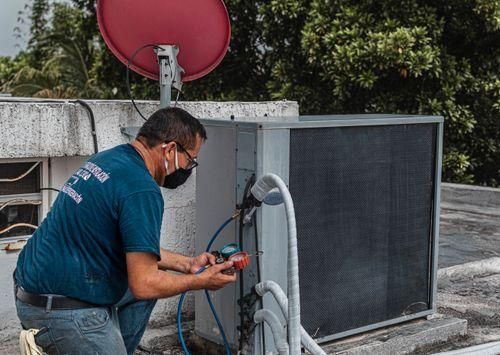
The foundation of winter preparedness begins with professional HVAC maintenance service. A licensed HVAC contractor performs a full system inspection, verifying that burners, heat exchangers, motors, electrical connections, and safety controls function correctly. These inspections catch early warning signs long before they trigger a no-heat situation.
Routine service also improves efficiency. Clean components, calibrated controls, and balanced airflow allow heating systems to deliver consistent warmth while using less energy. For homeowners in need of HVAC services in Delaware, scheduling maintenance early in winter helps avoid appointment delays during peak demand.
Homes that skip scheduled service often require HVAC repair in Delaware or emergency HVAC repair service in Maryland at the worst possible time. Preventive care remains the most cost-effective way to avoid winter disruptions.
Keeping Your Heating System Accessible and Protected
Winter weather introduces challenges that go far beyond routine mechanical wear and tear. Snow accumulation, freezing rain, ice buildup, and fluctuating temperatures can all impact how safely and effectively a heating system operates. One of the most overlooked aspects of winter HVAC readiness is accessibility. When heating equipment becomes difficult to reach, routine service, emergency repairs, and safe operation are compromised. Keeping your system accessible and protected is a foundational step in maintaining comfort, reliability, and safety throughout the colder months.
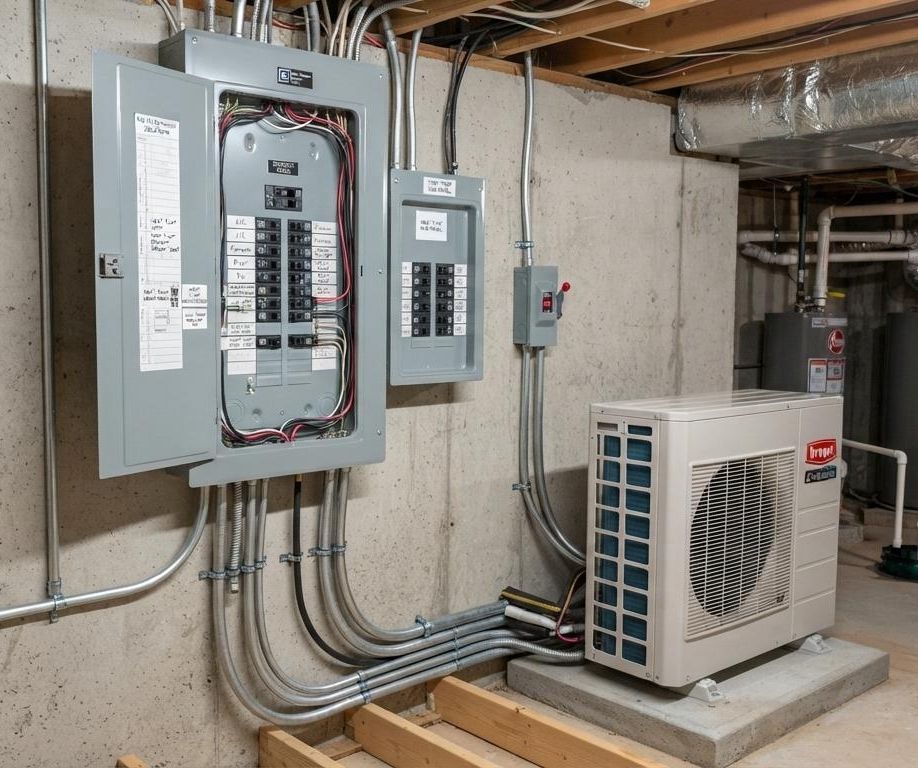
Homeowners should make it a priority to keep all heating equipment clear of snow buildup, ice, debris, and stored items. Indoor systems located in basements, utility rooms, or garages often become surrounded by boxes, seasonal décor, or storage bins as space fills up during winter. These obstructions make it harder for technicians to perform inspections or emergency repairs and may even restrict airflow or create fire hazards. Maintaining clear space around the unit ensures proper ventilation, reduces risk, and allows service professionals to work efficiently when time is critical.
Safe access is equally important outside the home. Clear pathways to outdoor components, fuel lines, and exhaust vents are essential during winter. Snow and ice should be removed promptly after storms, and walkways should be treated to prevent slipping. Adequate lighting near equipment locations helps technicians work safely during shorter winter days or nighttime service calls. Dry footing and unobstructed access protect not only your home, but also the professionals responsible for keeping your heating system operational during extreme weather.
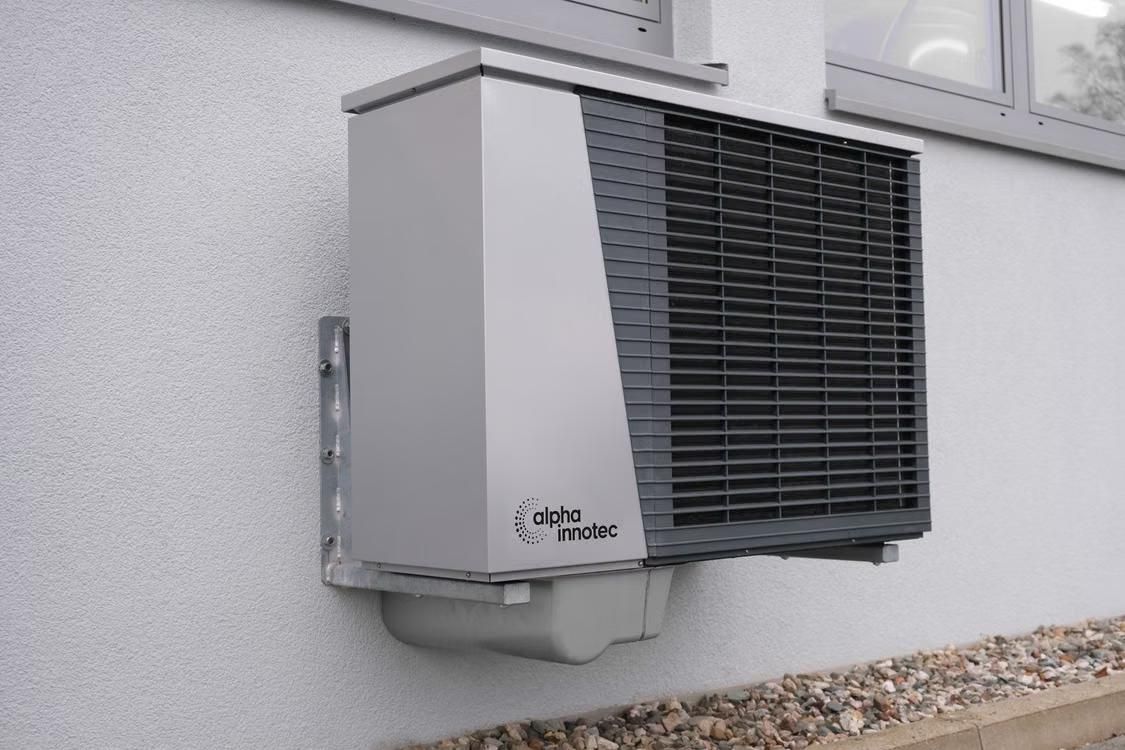
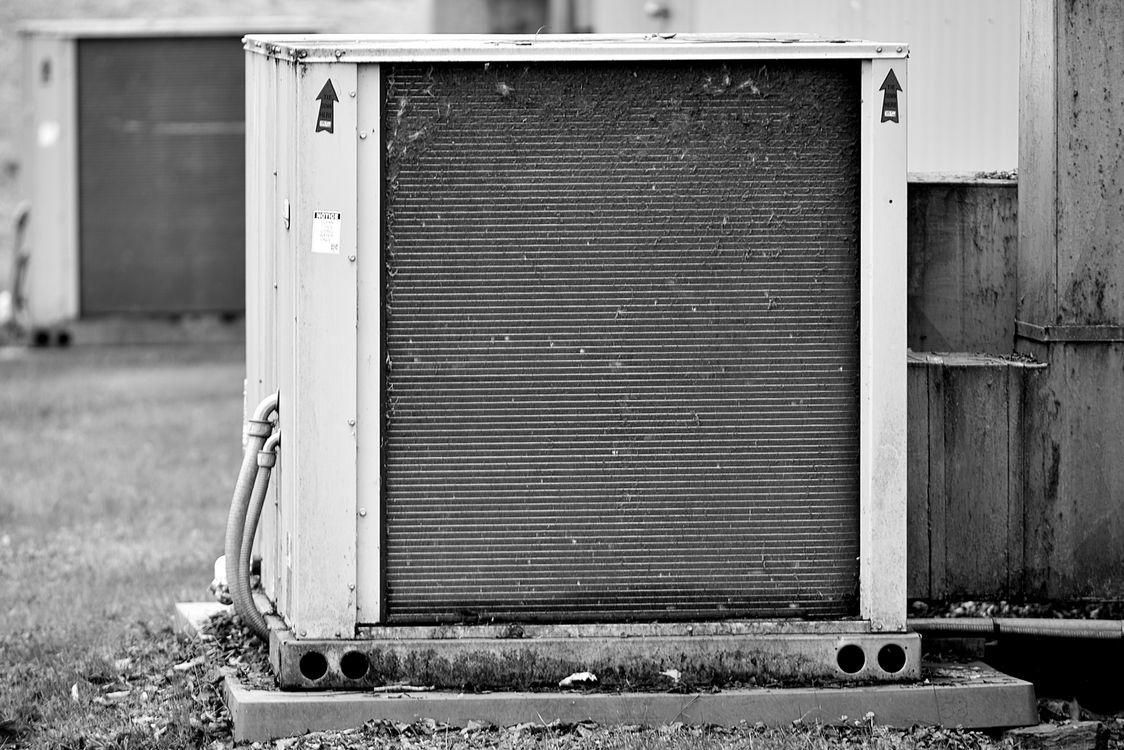
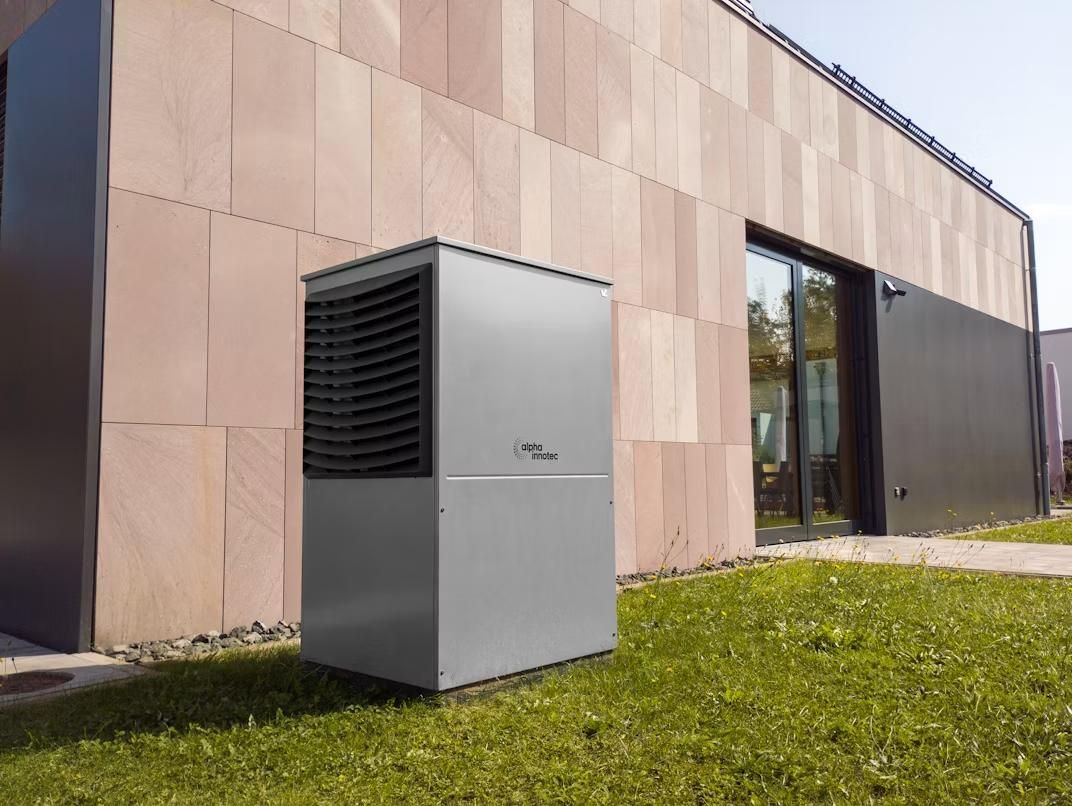
Outdoor components require special attention throughout the winter season. Ice accumulation around vents, intake pipes, and outdoor units can restrict airflow, forcing heating systems to work harder than designed. This added strain reduces efficiency, accelerates wear on internal components, and increases the risk of unexpected shutdowns during extended cold spells. Regular visual checks help homeowners identify buildup early and address it before performance is affected. Even small steps, such as gently clearing snow away from vents after a storm, contribute to smoother system operation and long-term reliability.
While physical access and protection form the foundation of winter HVAC care, temperature control plays an equally important role. Thermostats serve as the command center of your heating system, dictating when and how often the system runs. During winter, maintaining steady, reasonable temperature settings helps reduce unnecessary strain while keeping indoor comfort consistent.
Frequent manual adjustments, extreme temperature swings, or turning the system completely off during cold periods can lead to inefficient operation and increased wear. Modern thermostats allow homeowners to manage heating demand more precisely, reducing energy waste while maintaining reliable comfort. Proper thermostat use supports smoother system cycles and minimizes stress during peak heating months.

Optimizing Airflow and Indoor Comfort
Heating systems rely on proper airflow to distribute warmth evenly throughout a home. Winter conditions often expose airflow issues that may go unnoticed during milder seasons. When airflow becomes restricted, rooms heat unevenly, comfort declines, and the system must work harder to maintain desired temperatures.
One of the most common airflow problems stems from closed or blocked vents. Furniture placement, rugs, curtains, and seasonal décor can obstruct supply and return vents, preventing warm air from circulating properly. Homeowners should routinely check vents in every room to ensure they remain open and unobstructed. Balanced airflow allows the system to distribute heat evenly, eliminating cold spots and drafts that reduce comfort.
Air filters also play a critical role in maintaining airflow and system health. During winter, heating systems run more frequently, causing filters to collect dust and debris at a faster rate. Replacing air filters regularly remains one of the simplest yet most effective winter maintenance steps. Clean filters protect internal components, improve indoor air quality, and reduce strain on the blower motor. When filters become clogged, airflow drops, energy consumption rises, and the risk of overheating increases.
Ductwork condition further influences airflow efficiency. Leaks, obstructions, or poor insulation within duct systems allow heat to escape before it reaches living spaces. Homes with older ductwork may experience inconsistent heating from room to room, especially during prolonged cold spells. Sealing and insulating ducts improves efficiency, reduces energy loss, and enhances overall comfort.
For homes undergoing heating installation in Delaware, airflow design plays an even larger role. Proper duct sizing and zoning adjustments allow modern systems to perform at their full potential during winter’s harshest conditions.
Monitoring Performance and Early Warning Signs
Even well-maintained heating systems provide warning signs when something isn’t working as it should. Winter systems often signal developing problems subtly, long before a complete failure occurs. Homeowners who remain attentive to these signs can address issues early and avoid disruptive breakdowns during the coldest days of the year.
Unusual noises such as rattling, banging, or persistent humming often indicate loose components, airflow restrictions, or mechanical wear. Inconsistent temperatures between rooms, frequent cycling on and off, or difficulty maintaining set temperatures may signal thermostat issues, duct problems, or declining system efficiency. Rising energy bills without a change in usage patterns can also point to underlying performance concerns.
Prompt HVAC repair in Delaware addresses minor issues before they escalate into larger, more expensive failures. During professional inspections, technicians identify worn parts, airflow limitations, electrical concerns, or control malfunctions that compromise reliability. Early intervention keeps repair costs manageable, reduces downtime, and helps systems perform consistently throughout winter.
Short cycling, where the system turns on and off repeatedly in short intervals, deserves particular attention. This behavior increases energy consumption, accelerates wear, and reduces comfort. Addressing the root cause early prevents additional damage and protects system longevity.
Homeowners should also pay attention to indoor air quality changes during winter. Increased dust, dryness, or unusual odors may indicate filtration issues or airflow imbalances. Maintaining proper humidity and clean airflow contributes to a healthier indoor environment while supporting efficient system operation.

Staying Proactive Through the Season
Winter HVAC reliability depends on a combination of accessibility, airflow optimization, and ongoing performance awareness. Keeping heating systems accessible and protected allows for safe servicing and uninterrupted operation. Maintaining clear airflow ensures even heating and energy efficiency. Monitoring system behavior enables early detection of issues before comfort or safety is compromised.
Proactive care doesn’t require complex technical knowledge—just consistency and attention. Simple actions such as clearing snow, replacing filters, checking vents, and responding to early warning signs go a long way in protecting both comfort and investment. When paired with professional support, these habits help homeowners navigate winter with confidence, warmth, and peace of mind.
By prioritizing accessibility, airflow, and performance awareness, homeowners create a safer, more reliable heating environment capable of handling winter’s toughest conditions.
Strengthening Efficiency During Peak Heating Months
Efficiency matters most when systems run continuously. Winter energy costs rise quickly when heating equipment struggles to keep up with demand. Professional calibration, proper insulation, and well-sealed ductwork support efficient operation even during prolonged cold periods.
A trusted HVAC contractor evaluates system performance holistically, identifying opportunities to reduce energy waste while improving comfort. Small adjustments deliver noticeable efficiency improvements, lowering monthly costs without sacrificing warmth.
For homeowners relying on HVAC services in Delaware, these efficiency gains compound throughout winter, delivering both immediate and long-term savings.
Partnering With the Right Heating Professionals
Winter preparedness is far more effective when guided by experienced heating professionals who understand both the technical demands of HVAC systems and the realities of local winter conditions. Not all service providers deliver the same level of expertise, responsiveness, or long-term support. Choosing an established heating company gives homeowners access to skilled technicians who are familiar with regional climate challenges, housing styles, and system requirements that directly impact winter performance.
Experienced providers do more than perform basic service calls. They help homeowners plan ahead by coordinating maintenance schedules, identifying potential issues before peak cold sets in, and prioritizing service needs during high-demand periods. When repairs become necessary, a reliable heating professional responds quickly, diagnoses accurately, and delivers solutions that restore comfort without unnecessary delays. This proactive approach transforms winter HVAC care from a reactive scramble into a predictable, manageable process.
A well-executed HVAC checklist represents more than a list of routine tasks. It reflects a working partnership built on trust, technical expertise, and consistent care throughout the season. Homeowners who partner with dependable heating professionals gain peace of mind knowing their systems are monitored, maintained, and supported by experts who prioritize reliability and long-term performance.
Power Through Winter With Confidence
Winter does not forgive unprepared systems. The coldest months test every component, connection, and control within your heating system. A proactive HVAC checklist keeps your home warm, safe, and efficient when conditions are at their toughest.
At Dixie Land Energy, we help homeowners stay ahead of winter challenges with expert inspections, responsive repairs, and dependable service. We take pride in delivering professional HVAC maintenance, reliable HVAC repair service in Maryland, and trusted HVAC services in Delaware that protect comfort all season long. When winter arrives, we stand ready to keep your home powered, protected, and comfortable—no matter how cold it gets.