Why Your AC Is Blowing Warm Air and What to Do About It
There is perhaps no more frustrating experience during a Pennsylvania summer than walking into your home expecting a refreshing blast of cold air, only to be met with a lukewarm, stagnant breeze. When your air conditioner starts blowing warm air, it’s not just a minor inconvenience; it’s a symptom of a deeper issue that, if ignored, will inevitably lead to a total system breakdown.
As professional technicians, we see this scenario play out every single year. Homeowners often hope that a warm vent is just a "glitch" that will fix itself. Unfortunately, HVAC systems rarely heal on their own. In this guide, we will break down exactly why your AC is failing to cool your home and why calling for a professional AC repair is the only way to protect your investment and your comfort.
1. The Thermostat: Check the "Brain" First
Before you jump to the conclusion that your entire system is failing, start your troubleshooting at the most accessible point: the thermostat. It is surprisingly common for a cooling issue to be nothing more than a simple human error or a miscommunication between the device and the air handler. First, inspect the mode settings. It is very easy for a family member or a guest to accidentally bump the selector switch from "Cool" to "On" or "Fan."
If your system is set to "Fan," your blower motor will continue to circulate air throughout your home, but the compressor will remain idle. In this mode, the system is simply acting as a giant fan, pushing your home’s existing room-temperature air through the supply vents. This can create the illusion of a broken AC because the air coming out of the vents will feel stagnant or even warm if the house is already humid. To fix this, ensure your thermostat is firmly set to the "Cool" position and verify that the fan setting is configured to "Auto." When set to "Auto," the fan will only run when the system is actively cooling the air, which is the most efficient configuration for most homes.
If you utilize a modern smart thermostat, things can get a bit more complex. These devices are excellent for energy savings, but they can sometimes experience software glitches or programming conflicts. Check your dedicated mobile app to ensure that no unexpected scheduling, "eco-mode" overrides, or firmware updates have inadvertently changed your comfort settings. Sometimes, a simple reboot of the thermostat device itself can resolve communication errors between the "brain" of the system and the outdoor unit. If you have confirmed that all settings are correct, the fan is in "Auto," and the system is definitely in "Cool" mode, yet you are still receiving only room-temperature air, you are likely facing a mechanical failure. At this stage, the problem has moved beyond a simple user setting and into the territory that requires an expert HVAC repair in Delaware County.

2. Dirty Air Filters: The Silent System Killer
Your air conditioner is fundamentally a machine designed to move heat, but to do that successfully, it requires consistent, unobstructed airflow. Your air filter is the first line of defense, tasked with trapping household dust, pet dander, lint, and outdoor pollen before they can enter the sensitive internal components. Over the course of a long season, that filter will inevitably become clogged. When the filter is packed with debris, the blower motor has to work twice as hard to pull air through the system, creating a significant drop in static pressure.
When airflow is severely restricted, the evaporator coil inside your indoor unit cannot absorb sufficient heat from the air passing over it. This creates a dangerous imbalance. Because the coil stays unnaturally cold without the warmth of the incoming air to balance it out, moisture that naturally condenses on the coil can actually freeze. Once these coils become coated in a layer of ice, they lose their ability to perform heat exchange entirely. Consequently, the air blowing into your living room will feel warm, humid, or simply weak.
Changing your air filter every 30 to 90 days—depending on your household pets and indoor air quality needs—is the single most effective form of DIY AC repair you can perform. It is a simple, inexpensive maintenance task that prevents the system from "suffocating." However, if you replace the filter and still do not feel cold air after giving the system a few hours to thaw and cycle, the internal components may have already suffered damage from the prolonged restriction. If you find your system struggling to recover after a clean filter change, it is time to contact a professional for a diagnostic check to ensure the coils haven't been damaged by persistent icing.
3. The Power Supply and Circuit Breakers
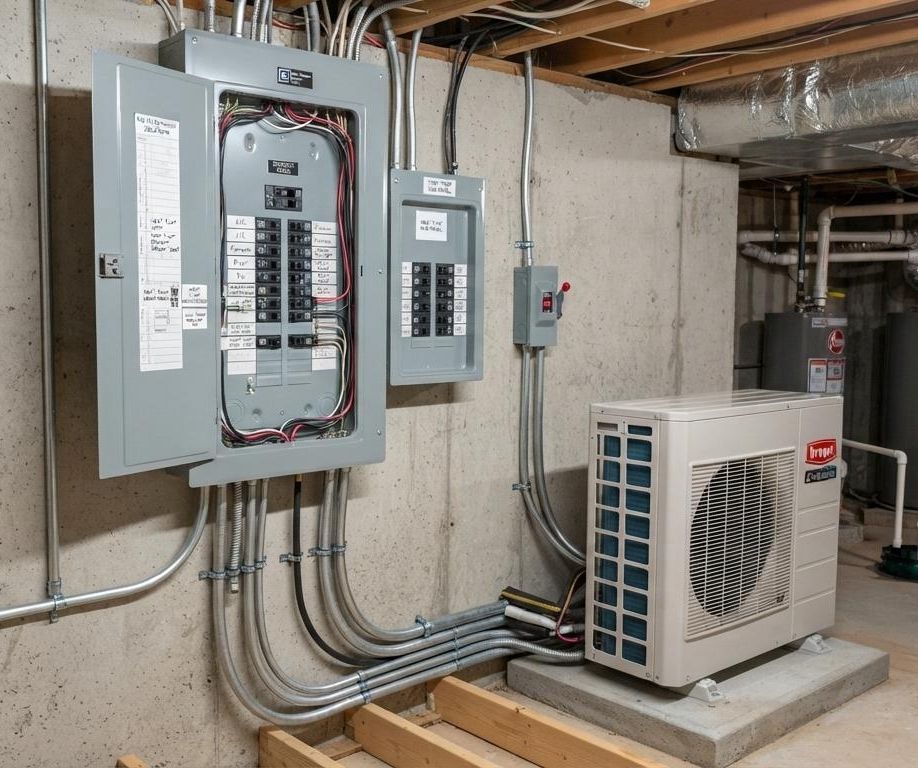
If you walk outside and find your outdoor unit is completely silent—meaning you hear no humming from the compressor, no spinning of the fan, and you feel absolutely no cooling—the first place you should look is your home’s electrical panel. Air conditioners are heavy-duty, high-voltage appliances that demand a significant amount of power. Because of this, they are protected by dedicated circuit breakers designed to shut down the system if there is a surge or a fault.
If the circuit breaker for your AC has tripped, the blower fan inside your house might keep running because it operates on a different circuit, but the outdoor condenser—the vital component that actually performs the cooling—will be completely dead. Before doing anything else, go to your breaker box and look for a switch that has shifted to the "off" or "tripped" position. Flip it back to the "On" position to see if the system resets. However, proceed with caution: if the breaker trips again immediately, do not try to force it. This is a major red flag indicating a serious short circuit or a dangerous electrical overload somewhere in the wiring or the motors. Resetting a breaker that continuously trips is a fire hazard. It is a clear sign that you need a professional HVAC repair service in Delaware County to carefully trace the electrical path and identify the root cause of the fault before it causes permanent damage to the unit.
4. Refrigerant Leaks: The Chemical Lifeblood
Refrigerant is the specialized chemical compound that cycles through your AC system to absorb heat from the indoor air and release it outdoors. There is a critical misconception we encounter constantly: many homeowners believe that refrigerant is a fuel that gets "used up" like gasoline in a car. This is not the case. Refrigerant is designed to exist in a closed-loop system; it is never consumed during operation. Your AC should never "run low" on refrigerant unless there is a physical hole, a corrosion-induced crack, or a loose fitting somewhere in the copper lines or the coils.
When refrigerant levels drop below the factory-specified pressure, the system’s thermodynamics plummet, which almost always causes the evaporator coils to freeze over. The air blowing through the vents will feel like room-temperature air because the heat exchange process has completely halted. We often see well-meaning homeowners attempt to have a handyman just "recharge" or "top off" the system, but without locating and sealing the leak, the expensive gas will simply escape into the atmosphere again within weeks. A professional HVAC repair in Delaware County is required to use specialized tools to detect the precise location of the leak, repair the integrity of the copper line or coil, and then properly evacuate and recharge the system to exact manufacturer specifications.
5. Dirty Condenser Coils
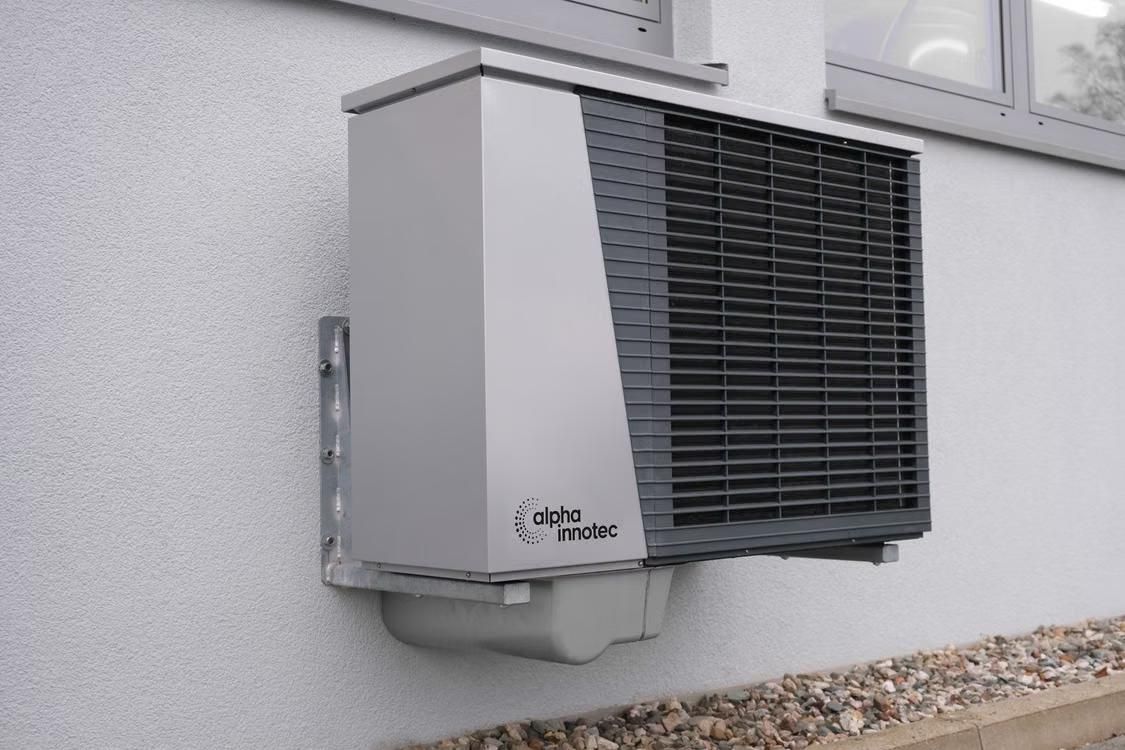
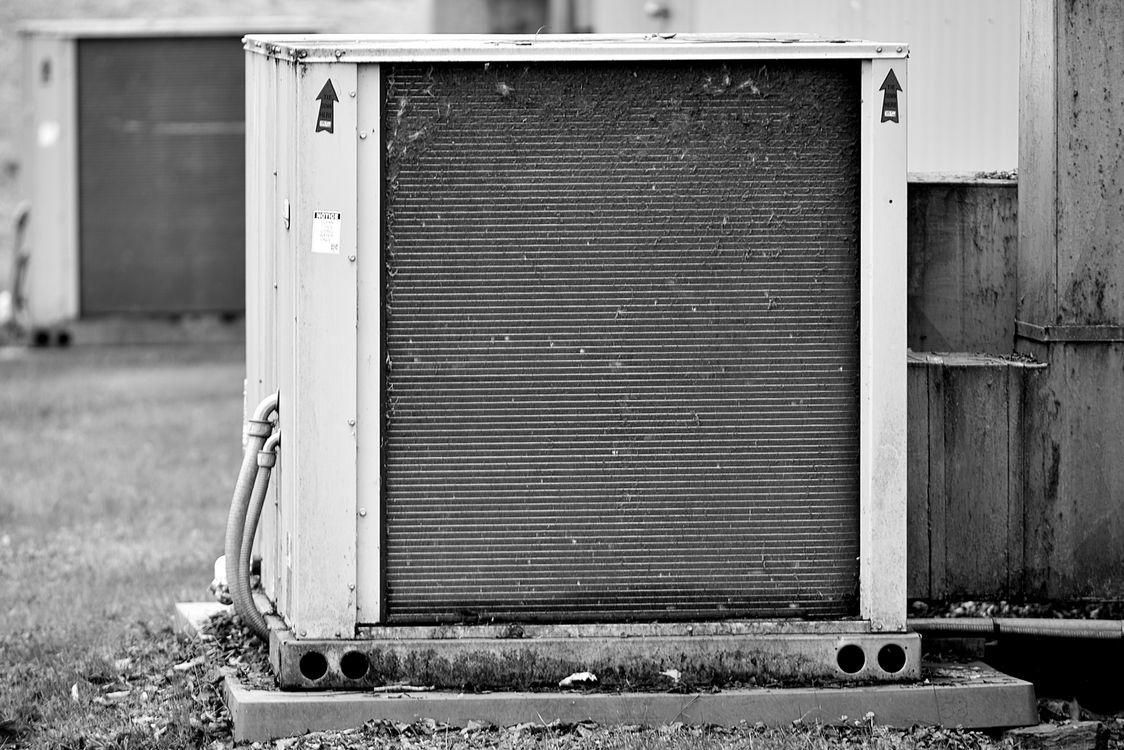
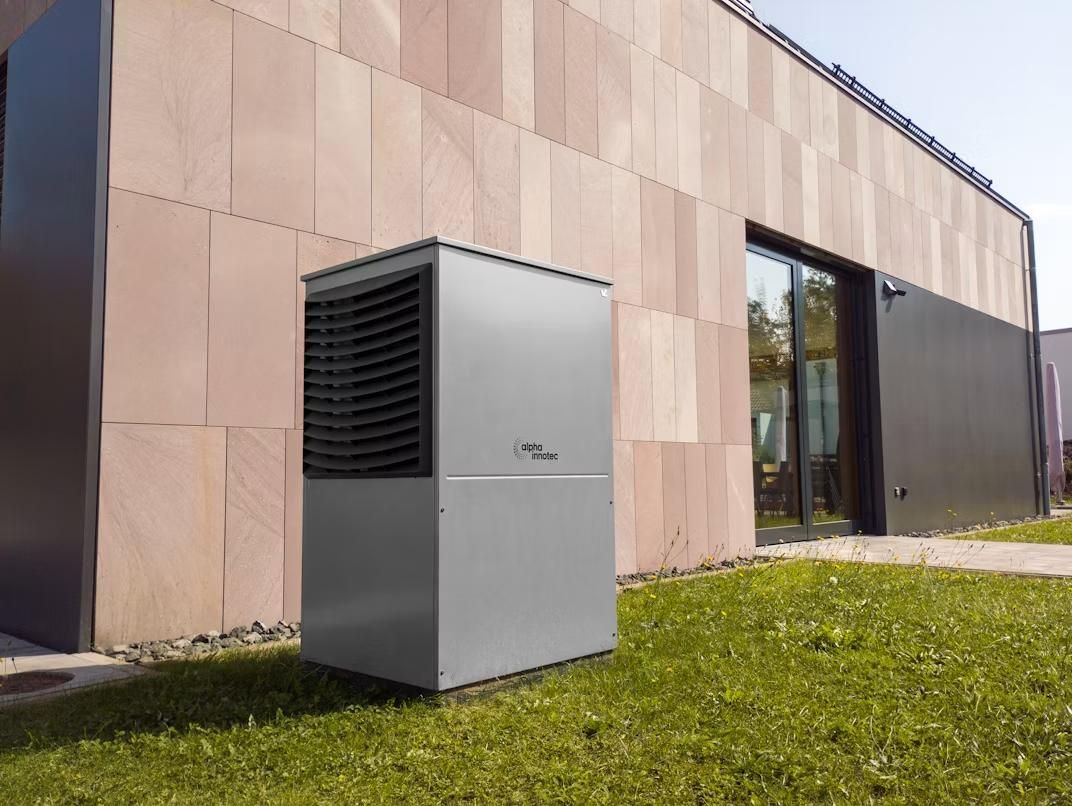
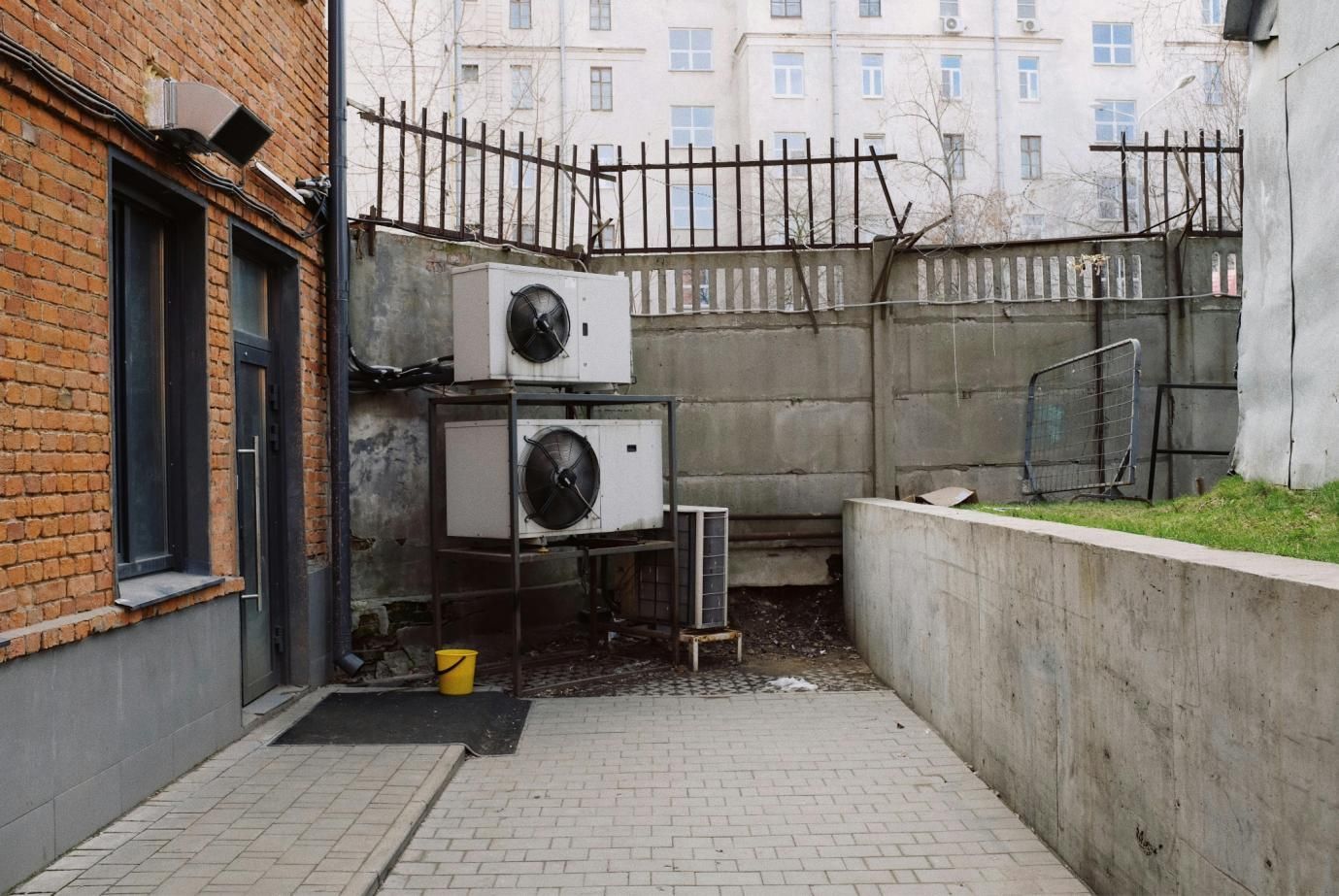
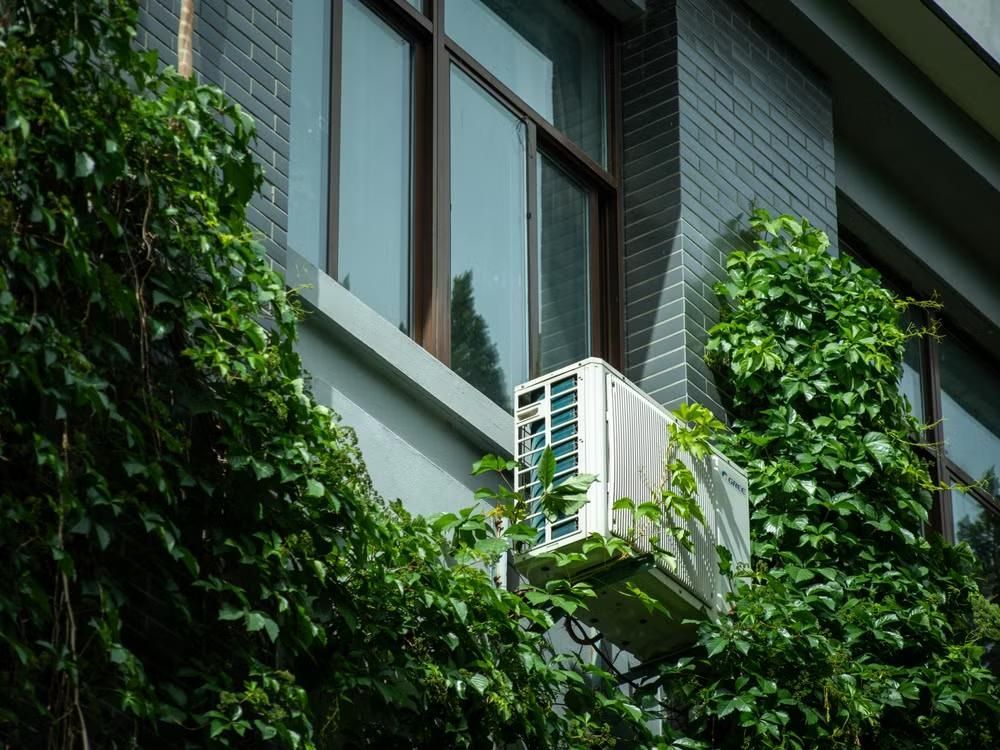
The outdoor condenser unit is the "exhaust" portion of your air conditioning system. It is responsible for releasing all the heat it pulled from your home into the outside air. Because it is installed outdoors, it is perpetually exposed to everything nature can throw at it: lawn clippings, falling leaves, wind-blown dirt, dust, and sticky cottonwood seeds. These materials act like a magnet for the unit's metal fins.
If the condenser fins are packed with a thick mat of debris, the unit literally cannot "breathe." It cannot dump the heat, and as a result, the cooling cycle fails or becomes horribly inefficient. You might notice the system running constantly, yet your house never feels cool, and your energy bills start to skyrocket. Keeping the immediate two-foot perimeter around your outdoor unit clear of tall grass and thick bushes is essential, but a deep cleaning of the inner fins—which are often hidden behind a protective cage—usually requires specialized high-pressure cleaning equipment and the expertise of a professional HVAC repair service to avoid bending the delicate aluminum fins.
6. Capacitor or Contactor Failure
The capacitor acts as the "battery" that provides the initial jolt of electricity the motor and compressor need to jumpstart. Because it is constantly handling high electrical loads, it is one of the most common points of failure in any HVAC system. Similarly, the contactor is the heavy-duty switch that physically connects the electricity to the unit when your thermostat calls for cooling.
Both of these components are highly prone to wear and tear due to heat, age, and electrical stress. If the capacitor begins to fail, the compressor might hum loudly as it struggles to start and then give up, or the fan might refuse to spin. If the contactor is pitted, corroded, or stuck due to electrical arcing, the unit might refuse to turn on entirely, or it might stay stuck in the "on" position, running even when the house is freezing cold. These are extremely common technical failures that our team addresses during a standard AC repair visit. Because these parts are inexpensive to replace compared to a motor or a compressor, catching these issues early is a cost-effective way to preserve the long-term health of your entire system.
Why You Shouldn't Wait
We understand the temptation to "wait and see" if the AC starts working again. However, running a malfunctioning air conditioner is a recipe for a catastrophic total system failure.
If your compressor is overheating because it can’t release heat, it is essentially destroying itself. A simple, affordable repair today can easily turn into a massive, multi-thousand-dollar replacement job tomorrow. The longer a system runs while "sick," the more damage is done to the internal components. By calling a professional at the first sign of warm air, you are often catching a problem while it is still minor.

Professional Diagnostics Matter
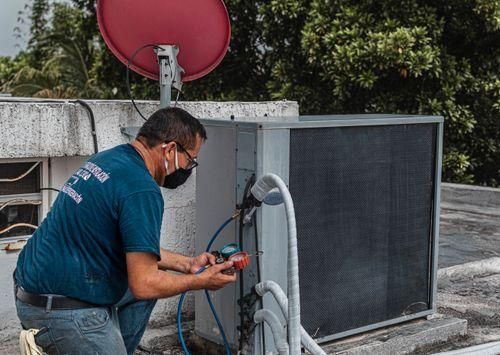
At Dixie Land Energy, we believe in the importance of a proper diagnosis. We don't just guess; we use manifold gauges to check refrigerant pressures, multimeters to check electrical loads, and thermal cameras to identify blockages in the ductwork.
When you trust our team to handle your system, we take the time to explain what is happening under the hood. We know that an HVAC issue is a stressor for your family, and our goal is to provide a clear, honest assessment that gets your home back to a comfortable temperature as quickly as possible.
We Are Here to Help
If your home is feeling warmer than it should, don’t settle for the discomfort. Whether it’s a minor electrical fix or a complex refrigerant issue, we have the tools and the expertise to handle it. We take pride in our ability to keep Delaware County homes comfortable through the toughest summer heat. Reach out to us at Dixie Land Energy today to schedule your service. Let us handle the technical details so you can get back to enjoying your summer.