Is Your Electrical Panel Ready for a Heat Pump? A Home Electrification Readiness Guide
Heat pumps have become one of the most popular upgrades for homeowners across Maryland, Delaware, and parts of Pennsylvania, like Chester County, who want efficient, all-in-one heating and cooling from a single system. But before a heat pump ever reaches the outdoor pad, a less visible question determines whether the project goes smoothly or turns into a costly surprise: can your electrical panel actually support it? Many homes were originally wired for a furnace and a smaller air conditioner, not for equipment that draws power year-round for both heating and cooling. Understanding heat pump electrical requirements before installation day helps homeowners avoid failed inspections, mid-project delays, and unexpected costs, whether the home is switching over from an oil furnace, an aging gas system, or an old central air unit reaching the end of its lifespan.
Homeowners who reach out for
heating installation services in Maryland often start with this exact question, since the answer shapes the entire scope and timeline of the job before any equipment is ever ordered. So what does it actually take to get your panel, wiring, and circuits ready for a heat pump? Let's dive into it.
Why Heat Pumps Ask More of Your Electrical System
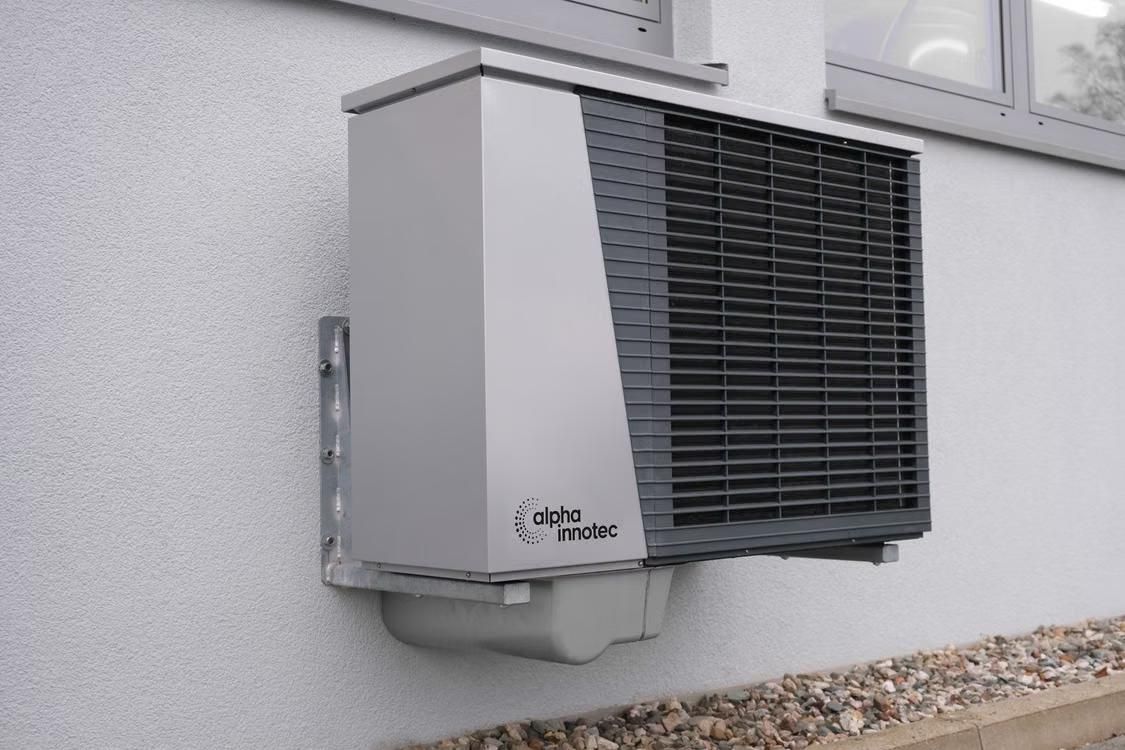
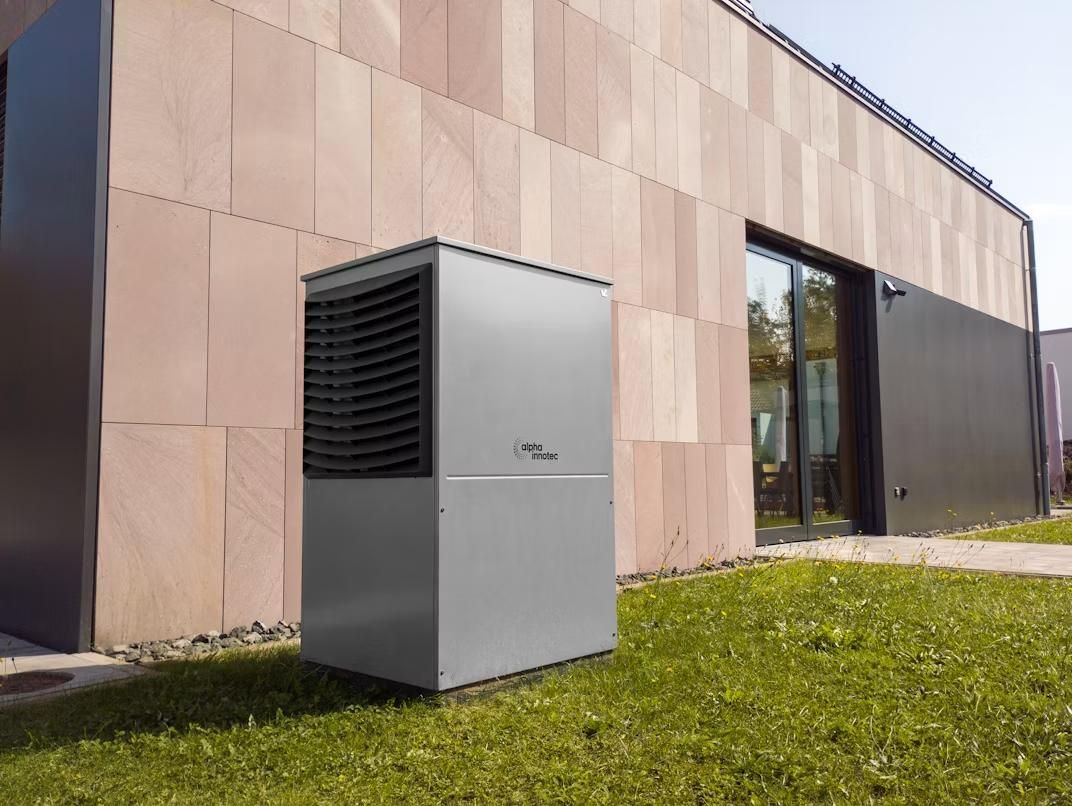
A traditional gas furnace only needs a small amount of electricity to run its blower motor, igniter, and controls. A heat pump works differently. Because it provides both heating and cooling from the same outdoor unit, it depends on electricity for its entire operating cycle, not just part of it. The compressor, the outdoor condenser fan, the indoor air handler, and, in colder climates, an optional electric backup heat strip all draw power year-round, not only during the summer months.
This shift matters most in older homes. A panel that was sized decades ago for basic lighting circuits, a kitchen, a laundry room, and a smaller central air unit may already be running quite close to its rated capacity. Layer a heat pump on top of that, especially one with backup electric heat strips, and the math can change quickly. This is where heat pump electrical requirements come into play: manufacturers publish a minimum circuit ampacity (MCA) and a maximum overcurrent protection (MOCP) rating for every unit, and that data determines what size breaker and wire the installation legally needs. Skipping this step, or assuming an existing 100-amp panel has enough room left, is one of the most common reasons heat pump projects stall partway through.
Homes that are also adding an EV charger, an electric range, or a well pump around the same time face the same pressure from a different direction. Each additional 240-volt appliance competes for the same limited capacity, which is why an electrical assessment early in the planning process tends to save homeowners both time and money. This is also why so many calls that start as a simple
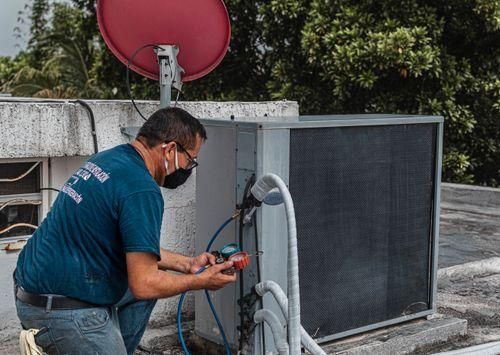
air conditioning repair visit end up turning into a broader conversation about the panel itself, once a technician sees how close the existing service is running to its limit.

How Much Electrical Capacity Does a Heat Pump Actually Need?
The exact electrical numbers vary by equipment size and brand, but general ranges help homeowners understand what an assessment is actually measuring. A typical residential heat pump between two and five tons usually needs a dedicated circuit somewhere between 20 and 40 amps at 208-240 volts, depending on compressor size and the manufacturer's rated MCA. If the system includes electric backup heat strips, that component often needs its own separate circuit rated between 40 and 60 amps, since strip heat draws far more current than the compressor alone.
For a home with an older 100-amp main panel, adding a heat pump circuit alongside existing appliances can leave very little headroom, particularly once a stove, dryer, well pump, or water heater is already part of the total load. This is why many
qualified electrical contractors recommend calculating the home's total connected load, not just the new heat pump's draw, before deciding whether
a full panel upgrade to 150 or 200 amps is necessary. A licensed electrician can run this calculation quickly, and the answer determines almost everything else about how the rest of the project unfolds.

What Are Some Signs That Your Panel May Not Be Ready
A panel doesn't have to be visibly damaged to be a problem for a new heat pump. Some of the most common warning signs include:
1. Breakers that trip repeatedly, even under normal household use
2. A panel that's more than 20 to 25 years old, or one that still uses fuses instead of breakers
3. No open double-pole breaker slots for a new 240-volt circuit
4. A panel rated at 100 amps or less serving a larger home with multiple high-draw appliances
5. Existing strain from an electric range, well pump, hot tub, or EV charger already pulling from the same service
6. Aluminum branch wiring, common in homes built during the late 1960s and 1970s
None of these signs mean a heat pump installation is off the table. They simply mean the panel needs a professional look before equipment gets ordered, so the upgrade path is clear from the start.
Circuit and Wiring Requirements for a Heat Pump Installation
Once a panel is confirmed to have enough capacity, or upgraded to create it, the next layer of the assessment involves the circuit itself. Heat pumps need a dedicated 240-volt circuit, sized specifically to the manufacturer's MCA and MOCP ratings rather than a generic breaker size. Undersizing the wire gauge for the circuit's amperage doesn't just violate code; it creates a real fire risk from heat building up in the wire under sustained load.
Wire gauge has to match both the distance from the panel to the outdoor unit and the amperage of the circuit, since longer runs experience more voltage drop and may require a heavier gauge than the amperage alone would suggest. Code also requires a properly rated disconnect box mounted near the outdoor unit, so a technician can safely cut power during service without going back to the main panel. If the system includes electric backup heat strips in the air handler, that component typically needs its own separate circuit as well, which is exactly why professionals who handle heating installation and repair across Maryland, Delaware, and some counties in Pennsylvania such as Montgomery, always run these load calculations before a single wire gets pulled.

This is paragraph text. Click it or hit the Manage Text button to change the font, color, size, format, and more. To set up site-wide paragraph and title styles, go to Site Theme.

Dixie Land Heating & Air Conditioning Is Your Next Step Toward a Panel-Ready Heat Pump
If you're considering installing a heat pump electrical panel and aren't sure whether your panel, wiring, and circuits can support it, our team at Dixie Land Heating & Air Conditioning can walk you through it from the very first assessment to the final inspection. We evaluate heat pump electrical requirements alongside your home's actual heating and cooling load, so you know exactly what the project involves before any equipment is ordered, and before any surprise costs have a chance to show up midway through the job. We proudly serve homeowners throughout Maryland and Delaware, as well as Chester, Delaware, and Montgomery Counties in Pennsylvania. Schedule your service today.