Why Dirty AC Coils Make Your Home Smell Musty
If your house smells faintly damp every time the AC kicks on, the source is almost always the same: the indoor cooling coil. Dust, pollen, and moisture build up on this surface over months and years, and that combination becomes a slow-release problem the moment warm, humid air starts moving through the system. The smell is unmistakable. It is musty, slightly sour, and stronger right after the system cycles on. Dirty AC coils are also a sign that your system is working harder than it needs to and likely overdue for service. For homeowners scheduling spring HVAC maintenance in Pennsylvania or anywhere across our service region, coil cleaning should be part of every pre-season checkup. We can schedule a coil inspection and cleaning before the smell turns into a comfort and air-quality problem.

What Are AC Coils and What Do They Do?
Every air conditioning system has two coils. They work together to move heat from inside your home to the outside, which is the basic job of any AC. Each coil sits in a different location and faces different environmental challenges, but both are essential to system performance.
The Evaporator Coil (Indoor)
The evaporator coil lives inside your air handler, usually in a closet, basement, or attic depending on the home. As warm indoor air passes over it, the cold refrigerant inside the coil absorbs the heat and the cooled air gets pushed back into your living space. That is also where most of the dehumidifying happens, which is why a properly working evaporator coil keeps indoor humidity levels comfortable during muggy summer weather.
Because warm humid air is constantly passing across this surface, the evaporator coil is naturally a wet environment for hours at a time. Add in the dust and particles that slip past your filter, and you have the perfect setting for biological growth. The coil also collects condensation that drips into a pan and out through a drain line, which means any drainage issue compounds the moisture problem and accelerates contamination.
The Condenser Coil (Outdoor)
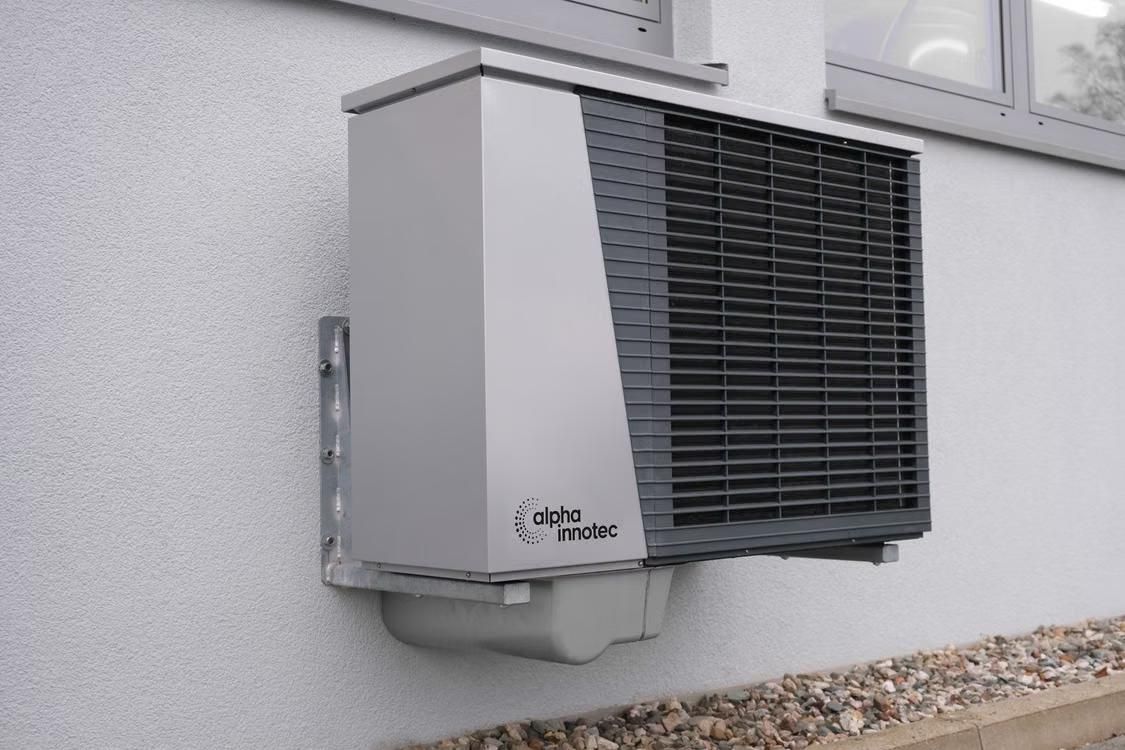
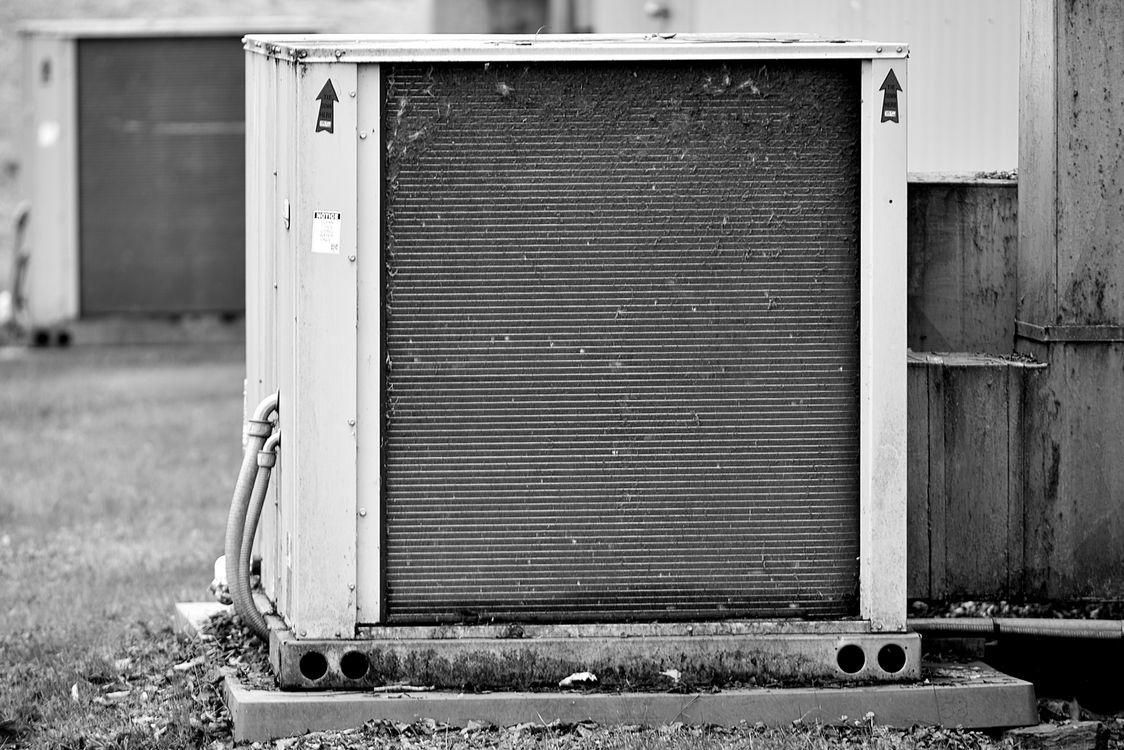
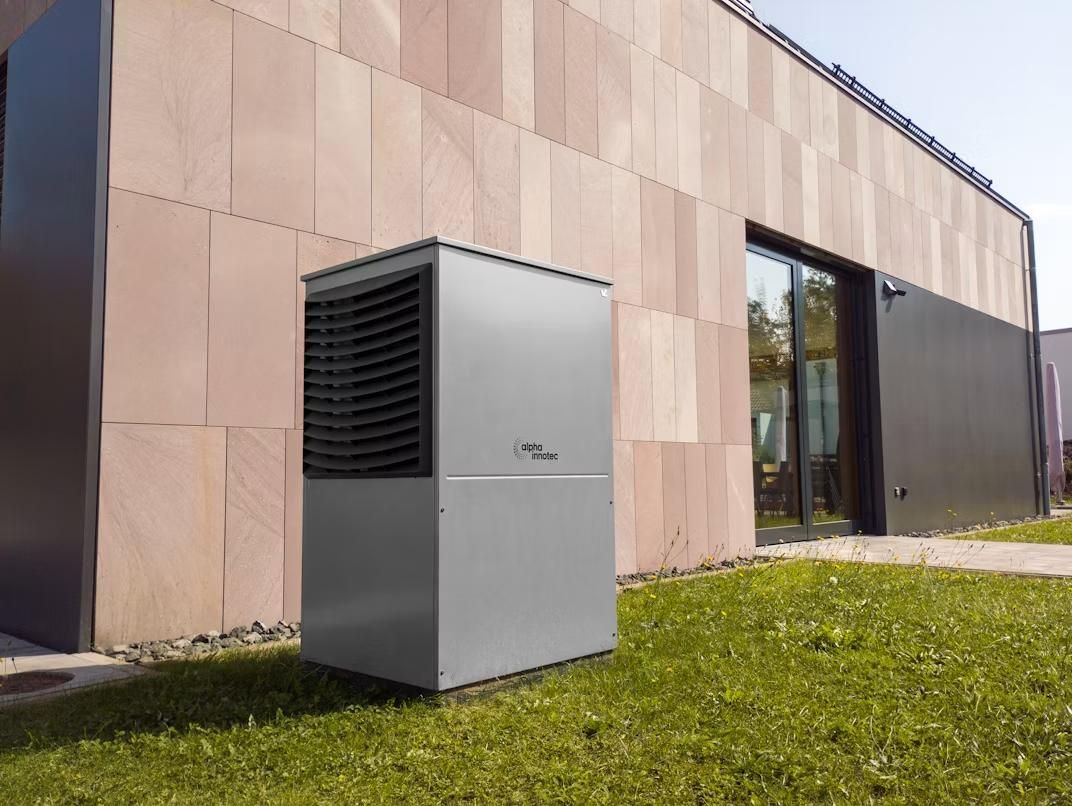
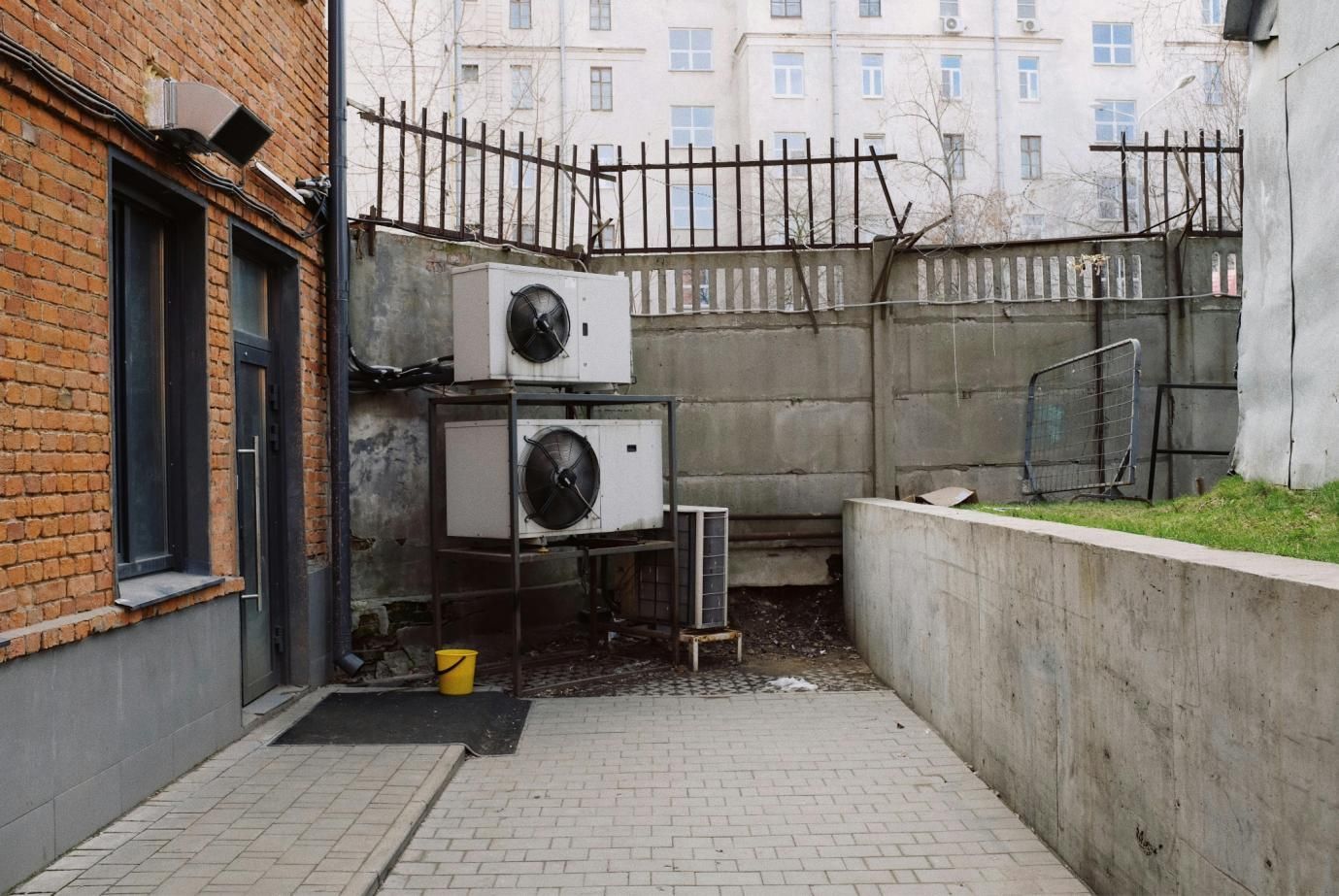
The condenser coil sits in the outdoor unit and does the opposite job. The refrigerant arrives hot from inside, and the condenser coil releases that heat to the outside air with help from a fan. Outdoor coils get dirty in different ways than indoor coils. They collect leaves, grass clippings, pollen, and yard debris. The EPA's guide to mold and moisture notes that maintaining clean air conditioning components is part of broader indoor air quality management, especially since outdoor contamination can travel inside through poorly maintained equipment.
How Dirt, Dust, and Moisture Lead to That Musty Smell
The mechanism is simpler than most homeowners realize. The indoor coil is constantly wet during cooling season because that is how it works. Dust and pollen that make it past the filter land on the wet surface and stick there. Mold spores, which exist in low concentrations in essentially every home, find that damp dust layer and start to grow.
Once mold establishes itself on the coil and in the drain pan, every cooling cycle blows that smell into your living spaces. The EPA notes that controlling moisture is the key to controlling mold growth, and a neglected AC coil sits at the intersection of moisture and organic material. The musty smell is the early warning. The longer you wait, the worse it gets.
If your home has had any humidity issues in the past, the problem amplifies. We see this regularly during air conditioning repair calls where the original complaint is a smell, but the deeper diagnosis reveals a drain line problem, a clogged condensate pump, or a coil that has not been cleaned in years.

Health and Comfort Issues Caused by Dirty Coils
The smell is the obvious symptom, but it is not the most important one. Mold and microbial growth on the coil release particles into the supply air, and those particles end up in the lungs of everyone living in the home. For households with allergies, asthma, or any respiratory sensitivity, the consequences can range from increased sneezing and congestion to genuine asthma flare-ups. Children and older family members tend to feel the effects first because their respiratory systems respond more strongly to airborne irritants.
Even households without diagnosed sensitivities feel it. Headaches, eye irritation, and a generally stuffy feeling are common in homes with dirty coils. The complaints often resolve within days of a thorough coil cleaning, which is one of the clearest indicators that the coil was the source. Pets sometimes show symptoms first, with increased sneezing or watery eyes that get attributed to seasonal allergies when the actual cause is the air handler.
Beyond air quality, dirty coils make your system run inefficiently. A layer of grime on the coil acts as insulation, reducing heat transfer and forcing the system to run longer to deliver the same cooling. The EPA mold course covers how HVAC systems can spread contamination if not properly maintained, with airflow restrictions and biological growth often appearing together. Keeping coils clean improves comfort, indoor air quality, and your monthly bill at the same time. The energy savings alone often offset the cost of professional cleaning within one or two cooling seasons.
Why DIY Coil Cleaning Often Falls Short
Plenty of YouTube videos suggest you can clean an evaporator coil yourself with a spray cleaner and a soft brush. In limited cases, that approach works for surface-level dust on an outdoor coil. For an indoor coil, it almost always falls short. The combination of awkward access, delicate components, and embedded biological growth turns what looks like a 30-minute project into hours of frustration.
The indoor coil is partially hidden inside the air handler cabinet, and reaching all surfaces requires partial disassembly. The fins are delicate, and bending them with a brush or careless movement reduces airflow permanently. Most consumer-grade coil cleaners are too mild to remove embedded biological growth, leaving you with a coil that smells slightly less bad for a few weeks before the problem returns.
Drain pans and drain lines are even harder to address without professional tools. A clogged drain line is a common contributor to musty smells, and clearing it properly requires either a wet-dry vacuum on the outlet or specialized line-clearing equipment. Without addressing the drain, you treat the symptom and miss the underlying cause. Refrigerant leaks, electrical issues, and capacitor problems often surface during a coil cleaning visit, and those issues are not safely diagnosed by anyone without HVAC certification.
There is also the warranty consideration. Many manufacturer warranties require that maintenance be performed by licensed professionals, and a self-cleaned coil that suffers fin damage or develops issues after the attempt may not be covered. The cost of a professional cleaning is almost always less than the cost of voiding warranty coverage on a major system.
What a Professional Cleaning Visit Includes
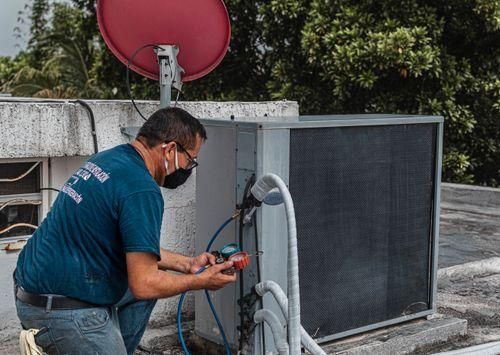
A proper professional coil cleaning is a multi-step process that goes well beyond spraying cleaner and walking away. The technician starts by powering down the system and partially disassembling the air handler to access the coil. Surface debris and accessible dust are removed with low-pressure equipment that protects the fins.
A professional-grade coil cleaner is then applied. Modern coil cleaners use enzymatic action or controlled foaming chemistry to break down biological contamination without damaging the aluminum fins. After dwell time, the coil is rinsed thoroughly. The drain pan and drain line get attention next, with full flushing and any clog removal handled at the same visit. ENERGY STAR's HVAC efficiency resources emphasize that coil and drain maintenance directly affects both system performance and indoor air quality.
After the wet work, the technician inspects the rest of the system: blower wheel cleanliness, filter condition, refrigerant levels, and electrical components. A full system performance test confirms that airflow, temperature differential, and humidity removal are all back to spec. Most homeowners notice the air smells different within the first hour of operation.
How Often Should Coils Be Cleaned?
Annual cleaning is the standard recommendation for most residential systems. Spring is the natural time to schedule it because the system has been idle through cold months and any winter accumulation gets cleared before the cooling season ramps up. Many households pair the cleaning with a broader spring tune-up that addresses filters, refrigerant levels, and electrical components in one visit.
Some homes need cleaning more frequently. Households with pets, smokers, heavy candle or incense use, ongoing renovation work, or chronic humidity issues may benefit from semi-annual cleanings. If anyone in the household has allergies or respiratory conditions, the more aggressive schedule pays for itself in comfort. Homes near construction sites or in areas with heavy spring pollen also benefit from extra attention during the worst weeks.
Larger commercial systems and homes with high cooling loads may need quarterly attention, particularly during peak summer. The ENERGY STAR maintenance overview provides general guidance, and your local technician can recommend a custom interval based on your specific system, home, and usage patterns. Keeping a record of cleaning dates also helps spot patterns over time, which is useful for households trying to identify the right interval for their specific situation.
Other Causes of Musty Home Smells Worth Ruling Out
Coils are the most common source of musty smells, but they are not the only one. Before assuming the AC is the culprit, walk through your home and check a few other suspects.
Drain pans under refrigerators, washing machines, and water heaters can collect water and grow biological matter. Crawl spaces with poor ventilation often develop musty smells that travel up into living spaces through gaps in the floor. Older carpets, especially in basements, can hold years of accumulated moisture and odors.
If you have ruled out the obvious sources and the smell still appears when the AC runs, the coil is almost certainly involved. The EPA's mold course on prevention is a useful reference for understanding how moisture issues across a home connect to indoor air quality, and why integrated solutions usually work better than chasing one symptom at a time.
Indoor Air Quality Upgrades to Consider
Once your coil is clean, a few upgrades can prevent the problem from returning quickly. Upgrading to a higher-MERV filter captures more particles before they reach the coil, though you need to verify your system can handle the additional airflow restriction.
UV lights installed near the coil disrupt biological growth before it establishes, and modern systems are quiet, efficient, and largely maintenance-free. Whole-house dehumidifiers help in homes with chronic humidity, particularly in basements and lower levels where moisture loves to settle. None of these are required, but each adds a layer of protection.