What Factors Affect Air Quality Inside Your Home
If you’ve ever noticed stale air, lingering odors, or unexplained allergies indoors, your home’s air quality could be the reason. Many homeowners overlook how everyday factors, like ventilation, humidity, and system cleanliness, directly influence the air they breathe.
Understanding these elements is essential, especially when relying on professional HVAC services to maintain a safe and comfortable indoor environment. Poor air quality doesn’t just affect comfort—it can impact your health, energy efficiency, and overall well-being.
Let’s see the key factors that affect indoor air quality and how to manage them effectively.
1. Ventilation: The Foundation of Fresh Indoor Air
Ventilation is one of the most important yet often overlooked factors affecting indoor air quality. It determines how effectively fresh air enters your home and how quickly stale, polluted air is removed. Without proper ventilation, indoor air can become trapped and filled with contaminants such as dust, allergens, and chemical particles.
Modern homes are built to be energy-efficient, which means they are more tightly sealed than older structures. While this helps reduce energy loss, it also limits natural airflow, making ventilation even more critical. Poor ventilation can lead to lingering odors, increased humidity, and a buildup of airborne pollutants that negatively impact your health.
There are two main forms of ventilation: natural and mechanical. Natural ventilation involves opening windows and doors to allow fresh air to circulate, while mechanical ventilation relies on your HVAC system to maintain consistent airflow throughout the home.
How to Improve Ventilation
· Open windows during mild weather to introduce fresh outdoor air
· Use exhaust fans in high-moisture areas like kitchens and bathrooms
· Ensure vents are not blocked by furniture or debris
· Schedule inspections with a professional HVAC company to evaluate airflow efficiency
Proper ventilation creates a healthier living environment and enhances the overall performance of your HVAC system.

2. Filtration: Capturing Airborne Pollutants
Air filtration is essential for removing harmful particles from the air circulating inside your home. Your HVAC system’s filters are designed to trap contaminants such as dust, pollen, pet dander, and even microscopic particles that can affect respiratory health.
However, filtration is only effective when the right type of filter is used and maintained regularly. Over time, filters become clogged with debris, reducing their ability to capture pollutants and restricting airflow. This not only lowers indoor air quality but also forces your HVAC system to work harder, increasing energy consumption.
High-efficiency filters, such as HEPA filters, offer superior performance by capturing smaller particles that standard filters may miss. Choosing the right filter depends on your household needs, especially if you have pets, allergies, or respiratory concerns.
Best Practices for Filtration
· Replace or clean filters every 1–3 months, depending on usage
· Upgrade to high-efficiency filters for better air purification
· Ensure filters are properly installed to prevent air bypass
· Include filter checks as part of your routine HVAC maintenance service
Consistent filtration not only improves air quality but also protects your HVAC system from unnecessary strain.
3. Humidity Levels: Finding the Right Balance
Humidity plays a significant role in determining both comfort and air quality inside your home. Maintaining the right balance is essential, as both high and low humidity levels can create problems.
Excess humidity creates a damp environment that encourages mold, mildew, and dust mites to thrive. This can lead to musty odors and increased allergy symptoms. On the other hand, air that is too dry can cause irritation in the eyes, throat, and skin, as well as increase static electricity and damage wooden furniture.
The ideal indoor humidity level typically falls between 30% and 50%. Achieving this balance ensures a comfortable living space while minimizing the risk of health issues and structural damage.
How to Control Humidity
· Use humidifiers during dry seasons and dehumidifiers in humid conditions
· Fix leaks and address moisture issues promptly
· Ensure proper ventilation in bathrooms and kitchens
· Consult a professional HVAC contractor for integrated humidity control solutions
Balanced humidity improves not only air quality but also overall home comfort and durability.
4. System Cleanliness: The Hidden Factor
Your HVAC system works continuously to circulate air throughout your home, but over time, it can accumulate dust, dirt, and other contaminants. These particles can settle in ducts, vents, and system components, eventually being recirculated into your living space.
A dirty HVAC system can significantly reduce air quality and efficiency. It can also contribute to unpleasant odors and increased allergy symptoms. Many homeowners are unaware of how much buildup exists within their system until problems become noticeable.
Routine cleaning and maintenance are essential to prevent these issues. Keeping your system clean ensures that the air being distributed is as fresh and healthy as possible.
Signs Your System Needs Cleaning
· Dust buildup around vents and registers
· Persistent odors when the system is running
· Increased indoor allergies or respiratory discomfort
· Reduced airflow or uneven temperature distribution
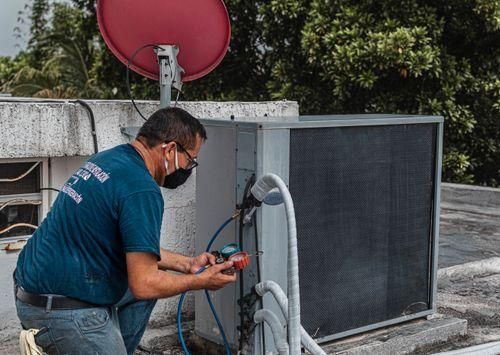
Regular HVAC maintenance helps remove accumulated debris, ensuring your system operates efficiently and supports clean indoor air.

5. Outdoor Air Quality and Its Impact Indoors
Indoor air quality is not isolated from the outside environment. In fact, outdoor air conditions play a major role in what enters your home. Pollutants such as vehicle emissions, industrial fumes, and seasonal allergens can easily make their way indoors.
Even when doors and windows are closed, small gaps and ventilation systems can allow outdoor contaminants to enter. This is especially true during high-pollution days or allergy seasons when pollen levels are elevated.
Your HVAC system acts as a barrier, filtering incoming air and maintaining indoor comfort. However, its effectiveness depends on proper maintenance and high-quality filtration.
How to Reduce Outdoor Contaminants Indoors
· Monitor local air quality and limit outdoor air intake during poor conditions
· Keep windows closed when pollution or pollen levels are high
· Use high-efficiency filters to capture fine particles
· Maintain your system with professional HVAC repair service when needed
Being aware of outdoor conditions helps you take proactive steps to protect your indoor environment.
6. Household Activities and Indoor Pollutants
Everyday household activities can significantly impact the quality of the air you breathe. Many common actions release pollutants into the air, often without immediate visibility.
Cooking, for example, can produce smoke and grease particles, while cleaning products may release chemical fumes. Even activities like burning candles or using air fresheners can introduce volatile organic compounds (VOCs) into the air.
Pets also contribute to indoor air pollution through dander and hair, while smoking indoors can create long-lasting contaminants that are difficult to remove.
Tips to Minimize Indoor Pollution
· Use exhaust fans while cooking to remove smoke and odors
· Choose natural or low-chemical cleaning products
· Groom pets regularly to reduce dander
· Avoid smoking indoors
Combining these habits with a properly functioning HVAC system ensures that pollutants are effectively managed and removed.
7. The Role of HVAC Systems in Air Quality
Your HVAC system is central to maintaining healthy indoor air. It does more than regulate temperature—it continuously circulates, filters, and conditions the air throughout your home.
A well-maintained system can significantly improve air quality by removing contaminants and balancing humidity levels. However, if the system is outdated or poorly maintained, it can contribute to poor air quality instead.
Issues such as clogged filters, dirty coils, or malfunctioning components can reduce the system’s effectiveness and lead to uneven airflow or pollutant buildup.
When to Seek Professional Help
· Persistent dust or allergens in the home
· Inconsistent temperatures between rooms
· Unusual noises or odors from the system
· Frequent breakdowns requiring HVAC repair
Regular inspections and timely repairs ensure your system continues to support a clean and comfortable indoor environment.

8. Ductwork Condition and Air Distribution
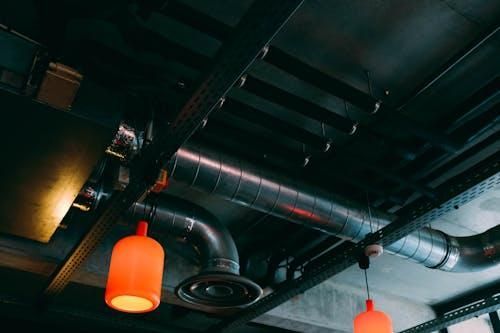
Ductwork is responsible for delivering conditioned air throughout your home. If the ducts are damaged, dirty, or poorly designed, they can negatively impact both air quality and system efficiency.
Leaks in ductwork can allow dust, insulation particles, and other contaminants to enter the airflow. Blockages can restrict circulation, leading to uneven temperatures and reduced comfort.
Over time, dust and debris can also accumulate inside ducts, further contributing to poor air quality.
Solutions
· Schedule professional duct inspections and cleaning
· Seal leaks to prevent contamination and energy loss
· Ensure proper duct design for balanced airflow
Maintaining clean and efficient ductwork ensures that the air reaching each room is fresh and properly filtered.
9. Temperature Control and Comfort
Temperature control is closely linked to indoor air quality and overall comfort. When temperatures are not properly regulated, it can create conditions that encourage poor air quality.
For example, excessive heat can increase humidity levels, while colder environments may reduce ventilation efficiency. These imbalances can lead to discomfort and contribute to issues such as mold growth or dry air.
A well-functioning HVAC system ensures consistent temperature control, helping maintain a balanced indoor environment.
Professional AC installation and system optimization play a key role in achieving this balance. By ensuring your system is properly sized and installed, you can maintain both comfort and air quality year-round.

10. Air Leaks and Insulation: Preventing Contaminant Entry
Air leaks and poor insulation can significantly impact indoor air quality by allowing outdoor pollutants, dust, and allergens to enter your home. Small gaps around windows, doors, and walls may seem minor, but they can create pathways for unfiltered air to circulate indoors.
In addition to introducing contaminants, air leaks can also disrupt temperature control and force your HVAC system to work harder. This not only reduces efficiency but can also lead to uneven airflow and inconsistent indoor conditions.
Proper insulation acts as a barrier, helping maintain stable indoor temperatures while keeping unwanted particles out. Sealing air leaks ensures that your HVAC system can effectively filter and condition the air inside your home.
How to Improve Air Sealing
· Seal gaps around windows and doors with weatherstripping
· Inspect attics and basements for air leaks
· Ensure proper insulation throughout the home
· Schedule an evaluation with an HVAC contractor to identify problem areas
Improving insulation and sealing leaks helps maintain cleaner air and enhances overall system performance.
11. The Importance of Routine Maintenance
Routine maintenance is one of the most effective ways to ensure good indoor air quality. Over time, HVAC systems experience wear and tear that can reduce efficiency and allow pollutants to circulate more freely.
Regular maintenance helps identify and address issues before they become major problems. It also ensures that all components, such as filters, ducts, coils, and vents, are clean and functioning properly.
Skipping maintenance can lead to higher energy bills, poor air circulation, and increased risk of system failure.
Benefits of Routine Maintenance
· Cleaner, healthier indoor air
· Improved system efficiency
· Lower energy costs
· Extended equipment lifespan
Working with a trusted heating company or HVAC professional ensures your system receives the care it needs to perform at its best. Regular servicing keeps your home comfortable while protecting the quality of the air you breathe.

Final Thoughts
Indoor air quality is influenced by a combination of factors, from ventilation and filtration to humidity and system cleanliness. While some improvements can be made through simple habits, others require professional expertise.
Investing in proper HVAC care ensures that your home remains a safe, comfortable, and healthy space for you and your family.
How We Can Help!
Maintaining clean indoor air starts with the right support. At Dixie Land Energy, we provide dependable HVAC services in Maryland designed to improve comfort, efficiency, and air quality in your home. Whether you need routine HVAC maintenance, a reliable HVAC repair service, or expert system upgrades, our team is here to help.
We focus on delivering solutions that keep your air clean and your system running smoothly year-round. Don’t wait for air quality issues to affect your comfort. Schedule your service today with a trusted HVAC contractor and experience the difference professional care can make in your home environment.day with a trusted HVAC contractor and experience the difference professional care can make in your home environment. an AC