What Red Flags Indicate Your HVAC System Needs
Your home’s HVAC system is essentially a silent workhorse. Most of the time, it hums along in the background, keeping you cool in the summer and warm in the winter without requiring much thought. However, like any complex machine, it eventually begins to show its age or suffer from mechanical fatigue. The trick to avoiding a total system collapse is learning how to read the HVAC warning signs before they turn into a full-scale emergency.
Ignoring small changes in performance usually leads to a much larger bill down the road. In our region, where we deal with high humidity and significant seasonal shifts, staying ahead of these issues is the difference between a comfortable home and a sweltering July afternoon waiting for a technician. If you notice things starting to go sideways, it is always better to seek a professional HVAC repair service in Pennsylvania sooner rather than later.
1. Strange and Unusual Noises
A healthy HVAC system should make a consistent, low-level hum. You’ll hear the "thud" of the ductwork expanding and contracting or the soft whir of the blower motor. But when those sounds change, it’s one of the most reliable HVAC warning signs that something has come loose or is failing. This is an important sound to keep an ear out for.
Banging or Clanking
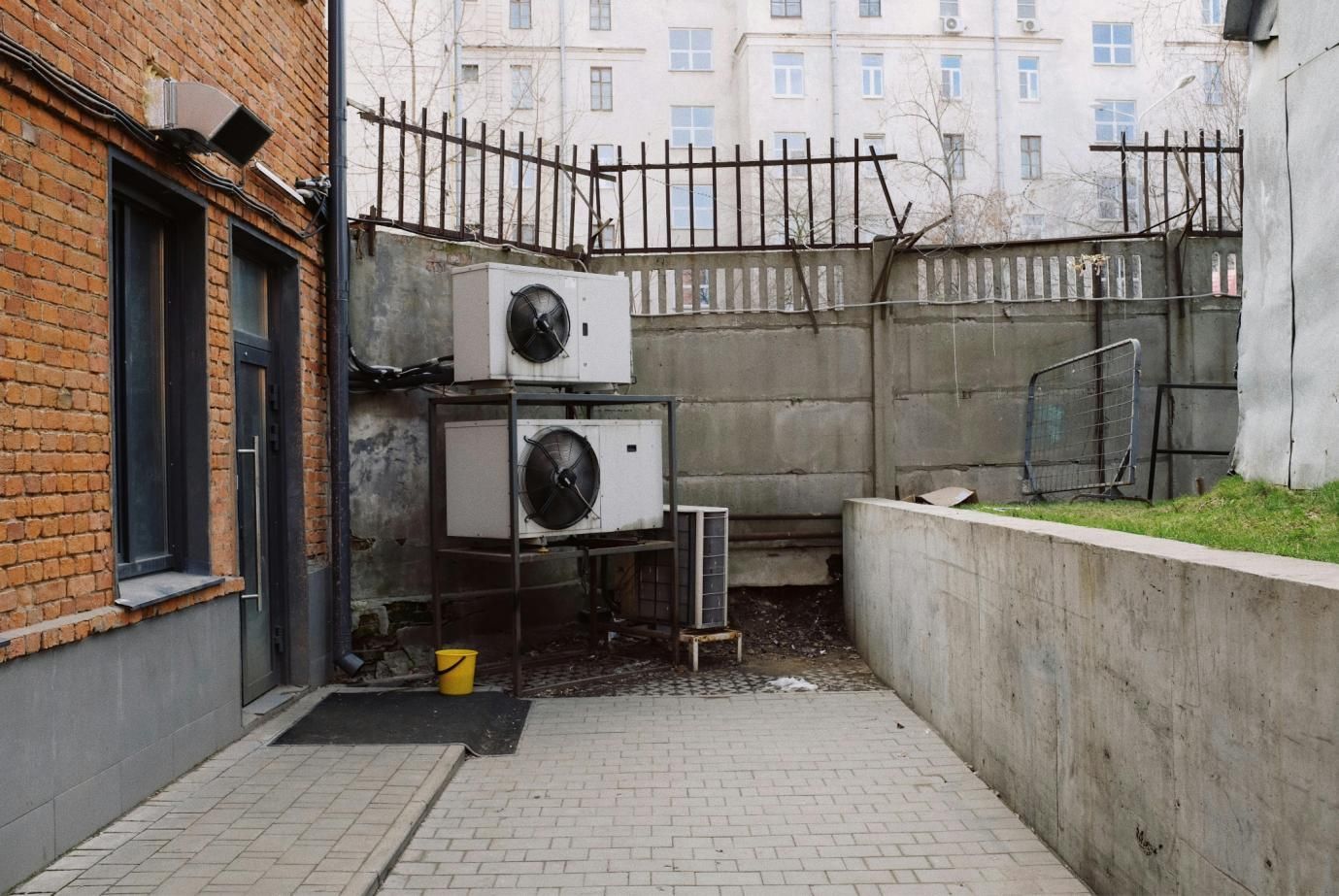
If you hear a loud banging or clanking coming from your outdoor unit or your indoor air handler, it often points to a loose part. It could be a fan blade hitting a housing, a loose connecting rod, or even a piece of debris that has worked its way into the blower wheel. Continued operation in this state can cause catastrophic damage to the surrounding components, making an AC repair in Pennsylvania much more expensive than it needs to be.
Squealing or Screeching
Squealing is almost always a sign of a belt or motor issue. In older systems, the belt that drives the blower can become frayed or loose, leading to that high-pitched screech. In newer, belt-less systems, it often indicates that the bearings in the motor are starting to seize up. If you hear this, shut the system down and call for an HVAC repair service in Pennsylvania immediately to prevent the motor from burning out entirely.
Hissing and Bubbling
Hissing usually indicates a leak. This could be air escaping through a major gap in your ductwork, or more seriously, it could be refrigerant escaping from your coils. Bubbling sounds often suggest that air has entered your refrigerant lines. Both are serious issues that require a pro to find and seal the breach.

2. The Frustration of Uneven Temperatures
Have you ever noticed that your living room is a perfect 72 degrees, but your upstairs bedroom feels like a sauna? Uneven cooling is a classic red flag. While some temperature variation is normal in multi-story homes, extreme differences usually mean your system is struggling to distribute air correctly.
This often stems from ductwork issues, but it can also be a sign of a failing blower motor or an undersized system. If your home has "hot spots" that never seem to go away, it’s one of the primary HVAC warning signs that your equipment is no longer capable of handling the load. A professional technician can perform a static pressure test to see if the air is actually reaching every corner of your home. If not, they may suggest a targeted AC repair in Pennsylvania to fix leaking ducts or improve airflow.

3. Short-Cycling: The On-and-Off Cycle
Your HVAC system should run until it reaches the set temperature, then shut off for a period of time. "Short-cycling" is when the system kicks on for a few minutes, shuts off, and then kicks back on again almost immediately.
This is incredibly hard on your equipment. The most energy-intensive part of an HVAC cycle is the startup. When the system cycles constantly, it consumes a massive amount of electricity and wears out the start capacitors and the compressor. Short-cycling can be caused by anything from an oversized unit to a faulty thermostat or a clogged filter. Regardless of the cause, it is an urgent sign that you need an HVAC repair service in Pennsylvania to recalibrate the system.

4. Spiking Utility Bills
If your energy usage has suddenly jumped but your habits haven't changed, your HVAC system is likely the culprit. As components wear out or get dirty, the system has to run longer and harder to achieve the same result.
Checking your monthly statements is a great way to monitor for HVAC warning signs. An inefficient system is essentially a leak in your bank account. If you find yourself paying 20% more for electricity than you did last year, it’s time to look into AC repair in Pennsylvania. Often, a thorough cleaning of the coils and a mechanical tune-up can restore that lost efficiency and pay for itself in just a few months.
5. Poor Air Quality and Excessive Dust
Your air conditioner doesn't just cool your home; it filters the air. If you notice a sudden increase in dust on your furniture or if your family's allergies are flaring up indoors, your HVAC system is failing its filtration duties.
Excessive dust is often a sign of leaky return ducts. When your ducts have holes, they can pull in dirty air from your attic or crawlspace and blow it right into your living areas. This is one of the more subtle HVAC warning signs, but it has a huge impact on your health. A technician providing HVAC repair service in Pennsylvania can inspect your ductwork and ensure your filtration system is actually capable of capturing airborne particulates.

6. The "AC Running But Not Cooling" Mystery
This is perhaps the most common call we get. You hear the unit running, you feel air coming out of the vents, but the house is still hot. When you have your AC running but not cooling, the system is likely suffering from a heat transfer failure.
The Clogged Condenser
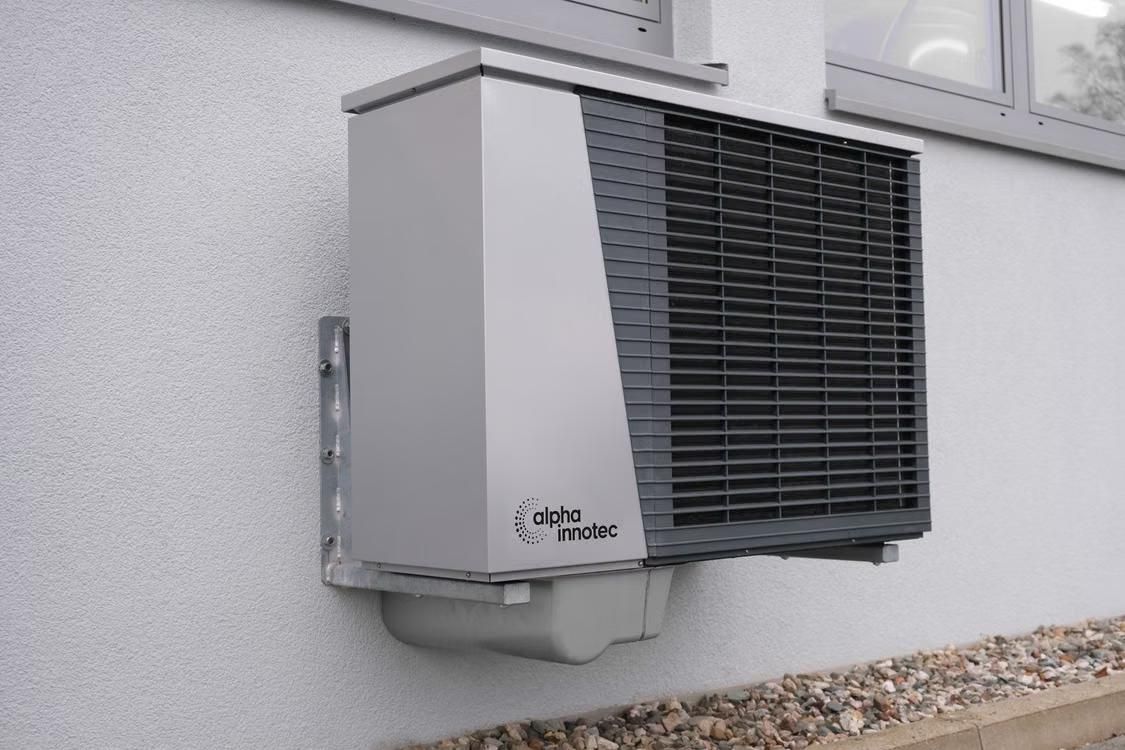
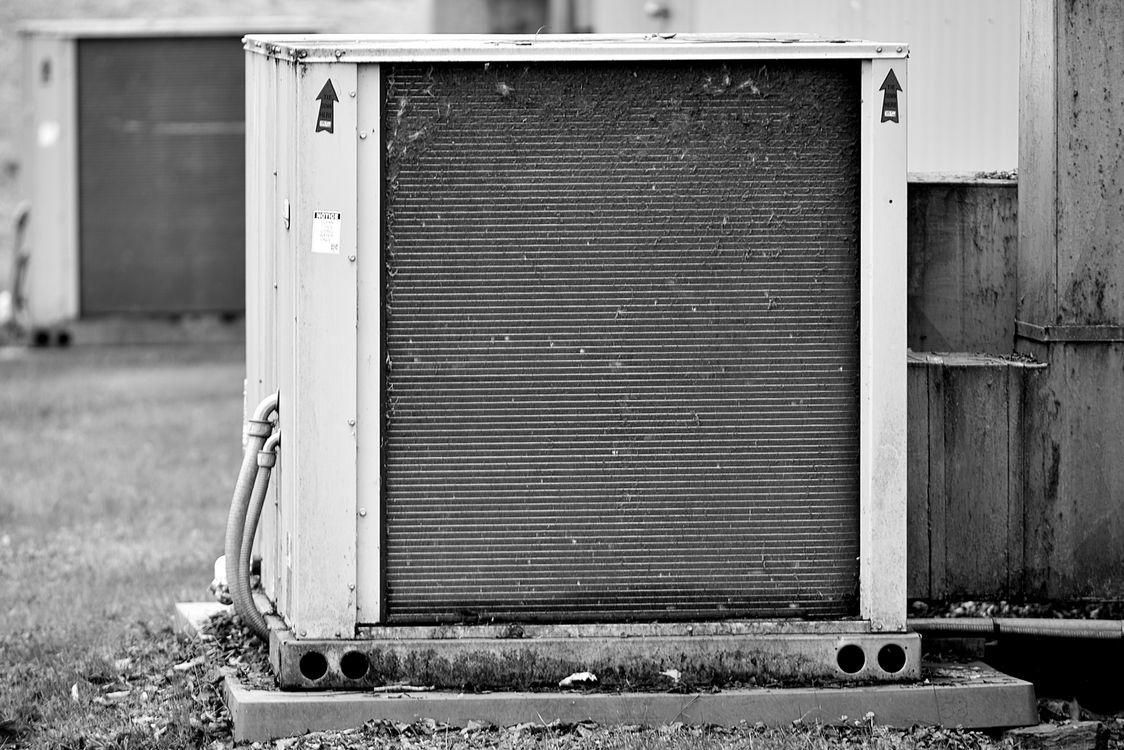
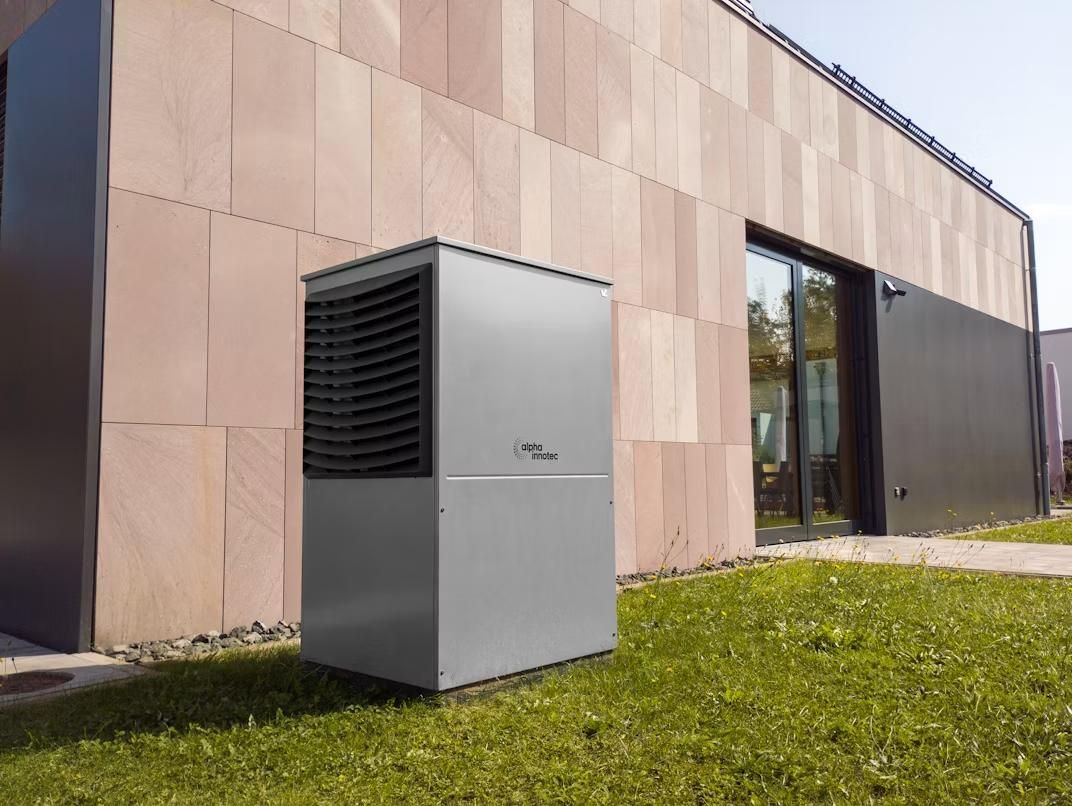
If the outdoor unit is packed with dirt, leaves, or grass clippings, it cannot release the heat it absorbed from inside. The refrigerant stays warm, and the cycle effectively stalls. This is a common reason for AC running but not cooling, and it’s usually fixed with a professional deep-cleaning of the condenser fins.
Low Refrigerant Levels
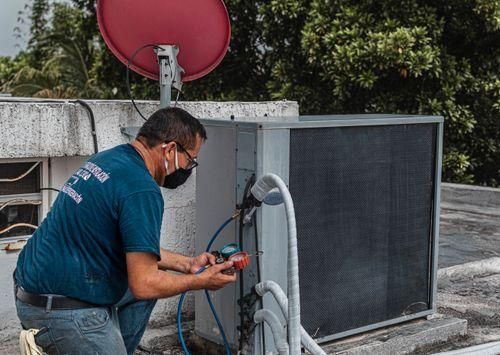
As we've discussed before, refrigerant doesn't get "used up." If you're low, you have a leak. Without the right amount of refrigerant, the evaporator coil can't get cold enough to lower the air temperature. This results in the AC running but not cooling the home, often leading to frozen coils and potential compressor damage. In these cases, you need a targeted AC repair in Pennsylvania to find the leak and recharge the system to factory specs.

7. High Humidity Indoors
In the Pennsylvania and Delaware area, the "H" in HVAC (Heating, Ventilation, and Air Conditioning) is just as much about humidity as it is about temperature. Your air conditioner is designed to act as a dehumidifier.
If your skin feels clammy or the air in your home feels "heavy," your system isn't doing its job. This could be a sign that your system is too large for your home (causing it to cool the air too quickly without removing moisture) or that the cooling coils are dirty. Persistent humidity is one of the major HVAC warning signs that shouldn't be ignored, as it can lead to mold growth and wood rot. Professional HVAC repair service in Pennsylvania can help balance your system to ensure it handles the moisture as well as the heat.
8. Strange Odors
What you smell is often a clue to what is wrong.
● Musty/Moldy: This usually indicates biological growth in your drain pan or on your evaporator coils.
● Burning/Electrical: This is a major red flag. It could be a wiring issue, a failing motor, or an overheating circuit board.
● Rotten Eggs: If you have gas heat, this is a sign of a gas leak. Leave the house immediately and call your utility provider.
For non-emergency smells like mustiness, an AC repair in Pennsylvania that includes an anti-microbial cleaning can resolve the issue. However, never ignore a burning smell; it is one of the most dangerous HVAC warning signs you can encounter.

9. Constant Thermostat Adjustments
If you find yourself walking over to the thermostat every 30 minutes to "bump" the temperature down, your system is failing to maintain a steady state. This "hunting" behavior suggests that the system is losing its ability to stay in a consistent cooling cycle.
Whether it’s a sensor issue or a mechanical failure in the compressor, needing to constantly adjust the settings is an indicator that you need an HVAC repair service in Pennsylvania. A reliable system should be "set it and forget it." If it isn't, something is wrong under the hood.
10. The Age Factor
Finally, you have to look at the calendar. If your system is over 12 to 15 years old, almost any performance dip is one of the final HVAC warning signs. While we can often perform an AC repair in Pennsylvania to keep an old unit limping along, there comes a point where the cost of repairs exceeds the value of the equipment. Modern systems are significantly more efficient and reliable, making a transition to a new unit a smarter financial move in the long run.

Don’t Wait for the Breakdown
If any of these red flags sound familiar, don’t wait until the first 95-degree day to find out if your system can handle the load. At Dixie Land Energy, we’ve spent over 25 years helping homeowners across Pennsylvania, Delaware, and Maryland stay comfortable. We don't do high-pressure sales; we provide honest, technical assessments of your equipment.
Whether you need a quick tune-up to clear out those HVAC warning signs or a more complex HVAC repair service in Pennsylvania, our team of certified pros is ready to help. We pride ourselves on clear communication and dependable results, so you always know exactly what you’re paying for.
Give us a call today, and let's get your home back to being the comfortable sanctuary it's supposed to be.