How to Make Your Home More Comfortable Without Extra Energy Costs
Creating a comfortable home shouldn’t mean watching your energy bills climb month after month. Most homeowners assume that better comfort requires more heating, more cooling, or constant system use. In reality, the opposite is often true. Comfort is less about how hard your system works and more about how well your home and equipment work together.
If you focus on airflow, insulation, system efficiency, and smart maintenance, you can significantly improve comfort without increasing energy use. In many cases, you may even reduce your monthly costs.
This guide breaks down exactly how to do that. It’s built on real-world practices used by experienced technicians and homeowners who understand that comfort is about consistency, not excess.
Understanding What “Comfort” Actually Means
Before making changes, it helps to define what comfort really is. It’s not just about temperature.
A comfortable home maintains:
● Even temperatures from room to room
● Balanced humidity levels
● Consistent airflow
● Minimal system noise
If one of these factors is off, your home can feel uncomfortable even if the thermostat says everything is fine.
For example, a home may be set to 72°F, but if airflow is uneven, one room may feel cold while another feels warm. Or humidity may make the air feel heavy and sticky, even with the AC running.
True comfort comes from balance, and once you understand that, you start to see why simply turning the thermostat up or down rarely solves the problem.
Optimize Airflow Before Anything Else
Airflow is one of the most overlooked factors in home comfort. If air cannot move properly through your home, your system will work harder while delivering worse results.
Start with your vents.
Make sure:
● Supply vents are open and unobstructed
● Return vents are not blocked by furniture
● Air pathways between rooms are clear
Many homeowners unknowingly restrict airflow by placing couches, rugs, or cabinets over vents. Even partially blocked vents can reduce system efficiency and create uneven temperatures.
Ceiling fans can also play a role. In summer, they should rotate counterclockwise to push cool air downward. In winter, reversing the direction helps circulate warm air that rises to the ceiling.
Improving airflow is one of the simplest ways to increase comfort without using additional energy.
Seal the Small Leaks That Cost You Big
Air leaks are a silent problem in most homes. Even small gaps around windows, doors, and ductwork can allow conditioned air to escape.
When this happens, your system compensates by running longer cycles, which increases energy use without improving comfort.
Focus on these areas:
● Window frames and door edges
● Attics and crawl spaces
● Duct connections
● Baseboards and wall penetrations
Weatherstripping and caulking are low-cost solutions that can make a noticeable difference.
Sealing leaks not only improves comfort but also reduces the strain on your system, which can extend its lifespan and reduce the need for frequent HVAC repair.
Keep Your System Maintained, Not Overworked
One of the biggest misconceptions homeowners have is that systems need to work harder to perform better. In reality, a well-maintained system performs more efficiently with less effort.
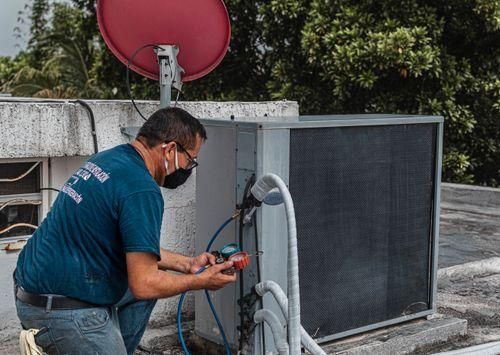
Regular HVAC maintenance ensures that your system operates at peak performance. This includes:
● Cleaning coils
● Checking refrigerant levels
● Inspecting electrical components
● Replacing worn parts
When systems are neglected, they lose efficiency. Airflow decreases, energy consumption increases, and comfort drops.
Scheduling routine HVAC maintenance service helps prevent small issues from becoming major problems while keeping your home consistently comfortable.
Use Your Thermostat More Strategically
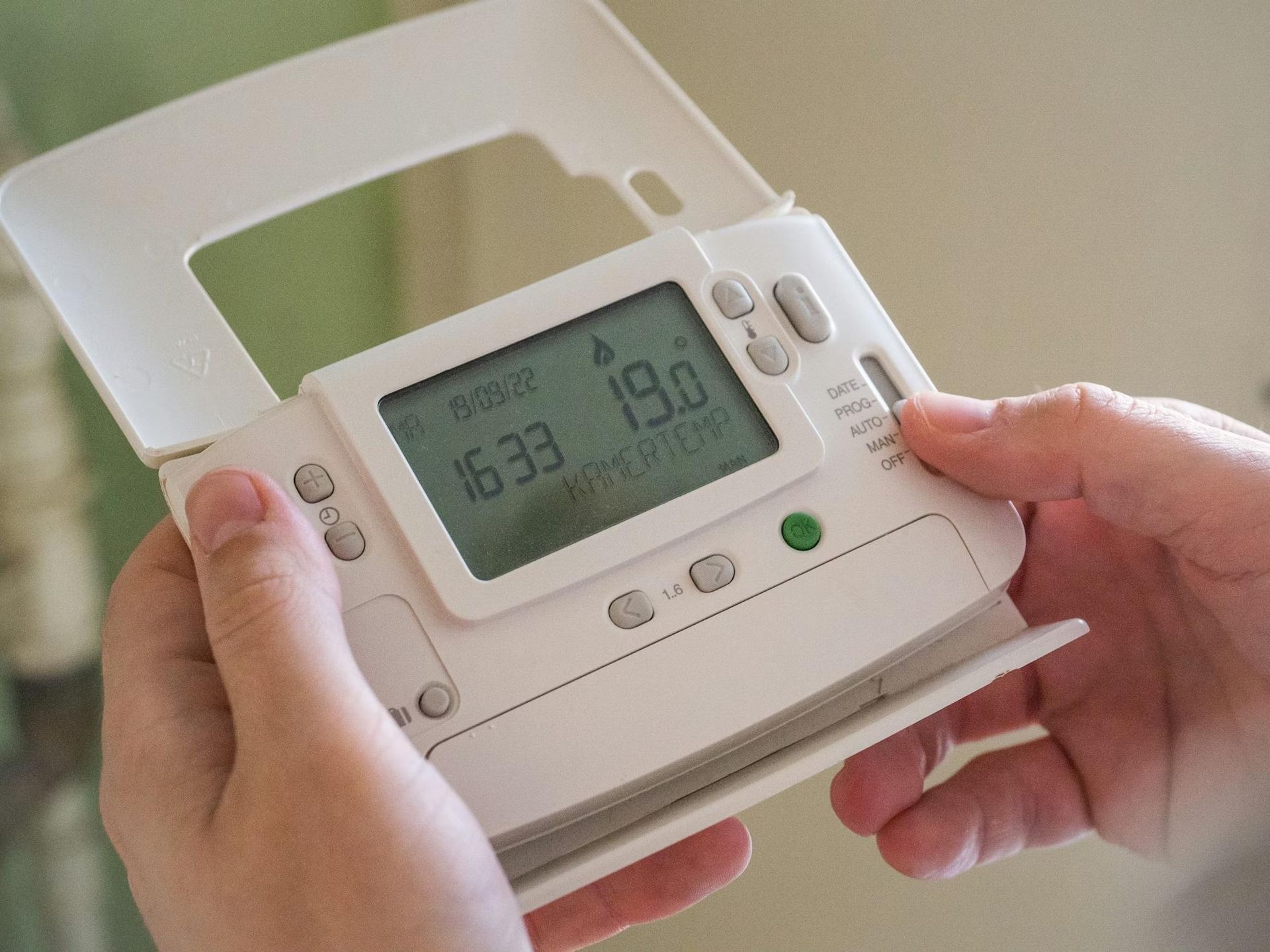
Many homeowners rely on manual thermostat adjustments throughout the day. This often leads to unnecessary system usage.
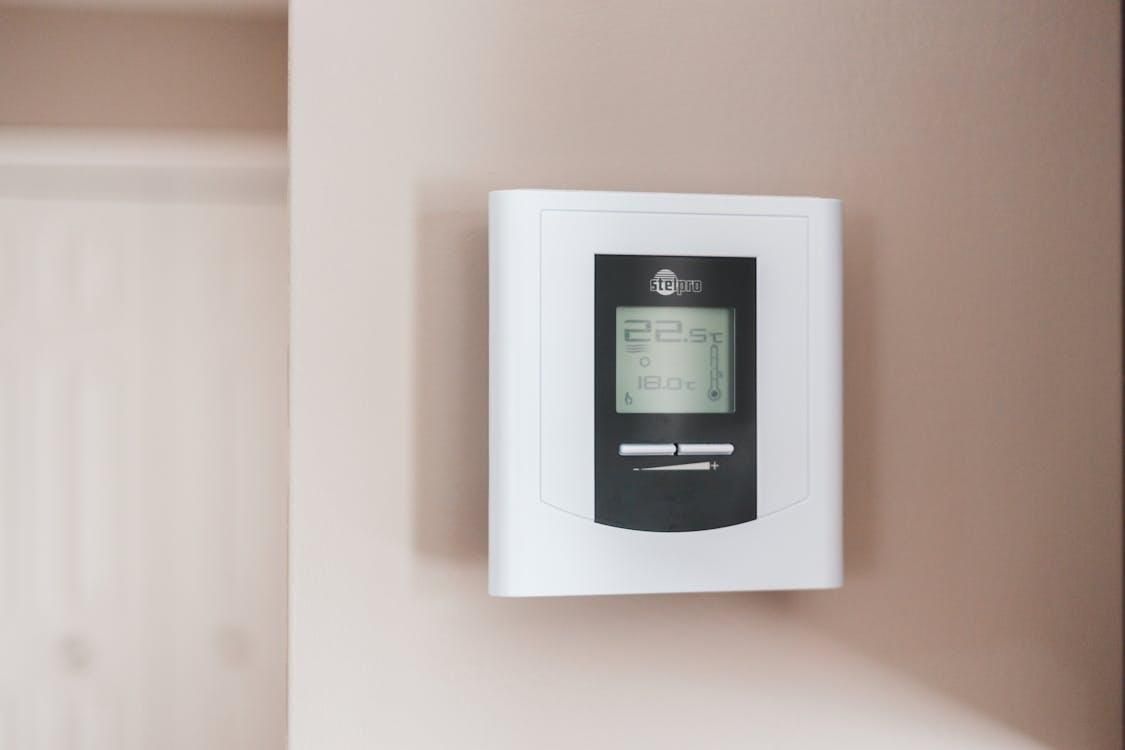
A programmable or smart thermostat allows you to:
● Adjust temperatures automatically based on your schedule
● Reduce usage when you’re not home
● Maintain consistent settings overnight
Instead of constantly raising or lowering the temperature, aim for gradual adjustments. Large temperature swings force your system to work harder.
Even a few degrees of adjustment at the right times can improve comfort while reducing energy consumption.
Balance Your Home’s Temperature Room by Room
Not all rooms in your home are used the same way. Bedrooms, living areas, and basements each have different comfort needs.
Instead of treating your home as a single zone, consider how each space functions.
You can:
● Adjust vents slightly to direct airflow where needed
● Use zoning systems for better control
● Add insulation to rooms that lose heat quickly
If certain areas are consistently uncomfortable, it may be worth consulting an experienced HVAC contractor to evaluate your system layout and airflow distribution.
Balanced temperatures reduce system strain and eliminate hot and cold spots.
Improve Insulation Where It Matters Most
Insulation plays a major role in maintaining indoor comfort. Without proper insulation, your home cannot retain heated or cooled air effectively.
Key areas to check include:
● Attics
● Exterior walls
● Basements
● Crawl spaces
Upgrading insulation can stabilize indoor temperatures and reduce the workload on your system.
This is especially important before considering upgrades like heating installation or system replacement. A well-insulated home allows any system to perform more efficiently.
Maintain Healthy Humidity Levels
Humidity has a direct impact on how comfortable your home feels.
In summer, high humidity can make temperatures feel warmer than they are. In winter, low humidity can cause dry air, discomfort, and even health issues.
To manage humidity:
● Use dehumidifiers during humid months
● Add humidifiers during dry seasons
● Ensure proper ventilation
Your HVAC system also plays a role in humidity control. Systems that are not properly sized or maintained may struggle to regulate moisture levels, which can lead to uneven comfort.
Keep Air Filters Clean and Consistent
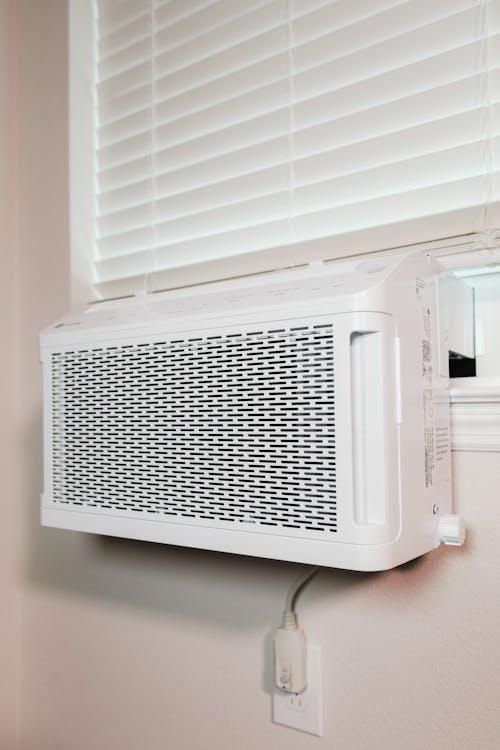
Air filters are one of the simplest yet most important components of your system.
Dirty filters restrict airflow, reduce efficiency, and force your system to work harder. This leads to increased energy use and uneven temperatures.
Check your filters regularly and replace them every 1–3 months, depending on usage and household conditions.
Clean filters improve airflow, protect your system, and enhance indoor air quality.
Upgrade Only When It Makes Sense
Not every comfort issue requires a full system replacement. In many cases, targeted improvements can solve the problem.
However, if your system is:
● More than 10–15 years old
● Frequently breaking down
● Struggling to maintain temperature
It may be time to consider an upgrade.
Modern systems are designed to be more efficient and provide better comfort with less energy use. Whether it’s an AC installation or a heating upgrade, newer equipment can make a significant difference when paired with proper home improvements.
Address Small Problems Before They Grow
Minor issues often go unnoticed until they become major repairs.
Strange noises, uneven temperatures, or longer run times are early warning signs that something isn’t right.
Prompt HVAC repair service can prevent:
● Higher energy bills
● System breakdowns
● Reduced comfort
Taking action early keeps your system running efficiently and avoids costly repairs later.
Use Professional Insight When Needed
While many improvements can be done on your own, some situations require expert evaluation.
An experienced HVAC company can assess:
● System performance
● Airflow distribution
● Equipment condition
● Efficiency opportunities
Professional insight helps identify issues that may not be visible to homeowners and ensures that any upgrades or adjustments are done correctly.
Don’t Ignore Heating Efficiency
Comfort isn’t just about cooling. Heating plays an equally important role, especially during colder months.
If your heating system is inefficient, it may struggle to maintain consistent warmth without increasing energy use.
Routine heating repair and proper maintenance ensure that your system operates effectively when you need it most.
Working with a trusted heating company can help you evaluate your system and make improvements that enhance comfort without increasing costs.
Cooling Comfort Without Overworking Your System
During warmer months, comfort often depends on how efficiently your system can remove heat and humidity.
If your system is running constantly but your home still feels warm, it may be time for AC repair or system optimization.
Professional air conditioning repair services can restore efficiency, improve airflow, and ensure that your system is operating at its best.
The goal is not to run your system longer, but to help it perform better.
The Role of Ductwork in Comfort and Efficiency
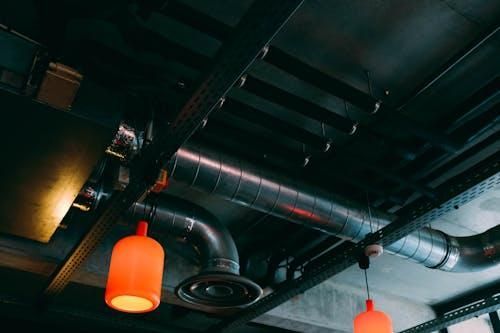
Ductwork is often hidden behind walls and ceilings, which makes it easy to forget about. However, it plays a major role in how comfortable your home feels.
Leaky or poorly designed ducts can:
● Lose conditioned air before it reaches your rooms
● Create uneven temperatures throughout the house
● Force your system to run longer cycles
In some homes, up to 20–30% of conditioned air is lost through duct leaks. That’s energy you’re paying for but not benefiting from.
Having your duct system inspected and sealed can significantly improve both comfort and efficiency. Properly designed ducts also ensure that airflow is distributed evenly across all rooms.
Smart Habits That Make a Daily Difference
Comfort isn’t only about your system. Everyday habits also play a role in how your home feels.
Simple adjustments can help:
● Close blinds during the hottest part of the day to reduce heat gain
● Open windows during cooler evenings for natural ventilation
● Use kitchen and bathroom exhaust fans to control humidity
● Avoid placing heat-generating appliances near thermostats
These small changes reduce the workload on your system and help maintain a stable indoor environment.
Understanding System Sizing and Its Impact
One of the most common issues in residential comfort is improper system sizing.
An oversized system may cool or heat quickly but will cycle on and off frequently, leading to uneven temperatures and poor humidity control.
An undersized system, on the other hand, may run continuously without ever reaching the desired temperature.
Proper sizing ensures that your system runs efficiently and maintains consistent comfort. If you suspect sizing issues, a professional evaluation can help determine whether adjustments or upgrades are needed.
Seasonal Preparation for Year-Round Comfort
Each season brings different challenges for home comfort. Preparing your system ahead of time can prevent unexpected issues.
Before summer:
● Inspect and clean your cooling system
● Check refrigerant levels
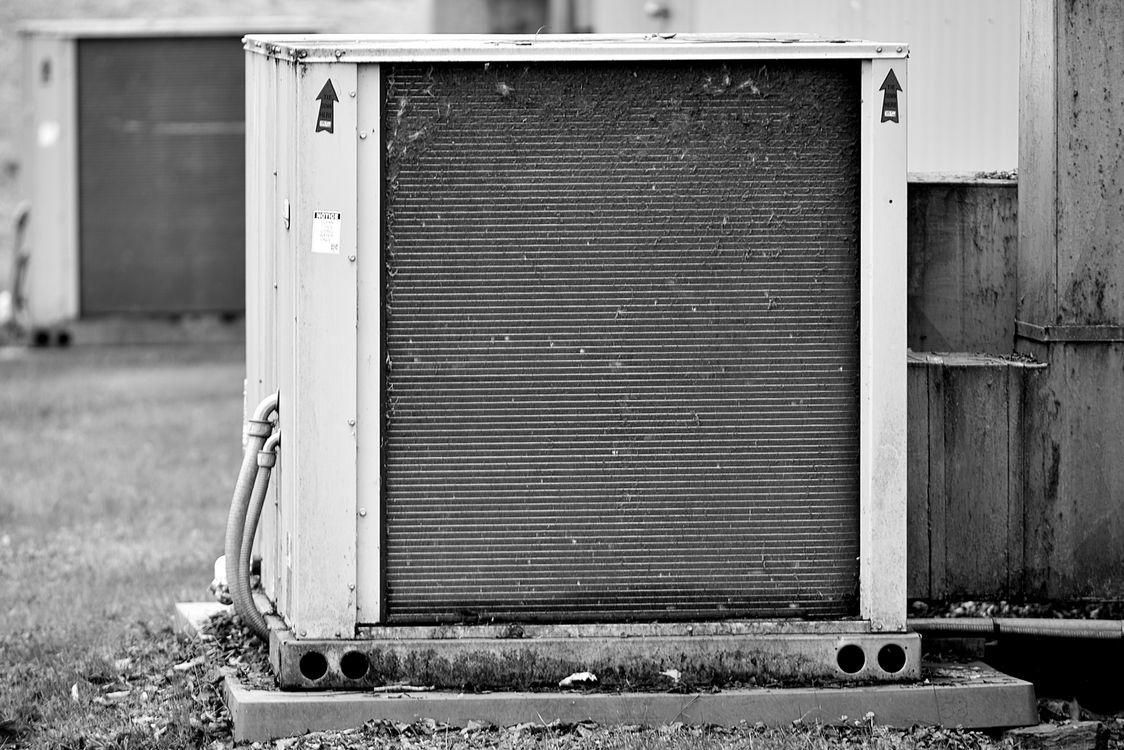
● Ensure outdoor units are free of debris
Before winter:
● Inspect your heating system
● Test your thermostat
● Check insulation and sealing
Seasonal preparation reduces the likelihood of breakdowns and keeps your system running efficiently when demand is highest.
Build a Long-Term Comfort Strategy
Improving home comfort is not about one single fix. It’s about building a system where everything works together.
A long-term strategy includes:
● Regular maintenance
● Smart system usage
● Proper insulation
● Balanced airflow
● Timely repairs
When all of these elements are aligned, your home becomes more comfortable naturally, without the need for constant adjustments or increased energy use.
Final Thoughts
A comfortable home doesn’t require more energy. It requires smarter use of the systems and structure you already have.
By focusing on airflow, maintenance, insulation, and strategic system use, you can create a space that feels consistently comfortable throughout the year.
Small changes often make the biggest difference.
Improve Your Home Comfort with Dixie Land Energy
At Dixie Land Energy, we know real comfort isn’t about pushing your system harder; it’s about making sure everything in your home works together the way it should. From airflow and system performance to long-term efficiency, our team focuses on solutions that actually improve how your home feels day to day.
We provide dependable HVAC services in Maryland, helping homeowners stay comfortable through every season without unnecessary energy costs. Whether it’s routine maintenance, timely repairs, or helping you plan smarter upgrades, we take a practical, honest approach to every job.
If your home isn’t as comfortable as it should be, or your system is working harder than it needs to, we’re here to help you fix it the right way.
Get in touch with Dixie Land Energy today and take the first step toward a more balanced, efficient, and comfortable home.