Dual-Fuel HVAC Systems: A Practical Path to Lower Bills and Reliable Cold-Weather Comfort
Heating and cooling technology has evolved significantly over the years, giving homeowners more options to improve comfort while managing energy costs. One solution that has gained attention is the dual-fuel HVAC system, which combines the efficiency of a heat pump with the dependable heating power of a furnace. Instead of relying on just one heating source throughout the year, this system intelligently switches between the two depending on outdoor temperatures, helping homeowners maintain comfortable indoor conditions without using more energy than necessary.
For homeowners in the Mid-Atlantic, where temperatures can range from mild autumn days to freezing winter nights, this balanced approach often delivers better performance than relying on a single heating system alone.
This blog explains how a dual-fuel HVAC system works, how the heat pump and furnace work together, the role of balance points and system controls, the maintenance these systems require, and how homeowners can determine whether this HVAC solution is the right fit for their home.
What Is a Dual-Fuel HVAC System?
A dual-fuel HVAC system combines two different heating technologies into one coordinated system:
● An electric heat pump
● A gas furnace
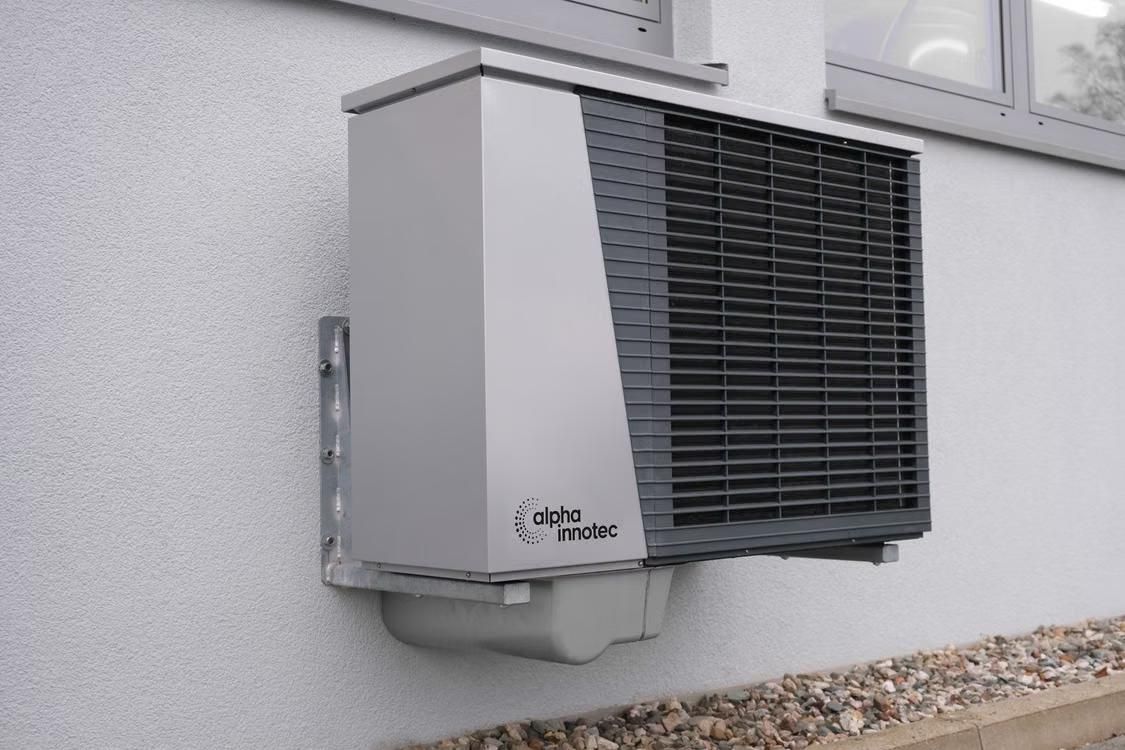
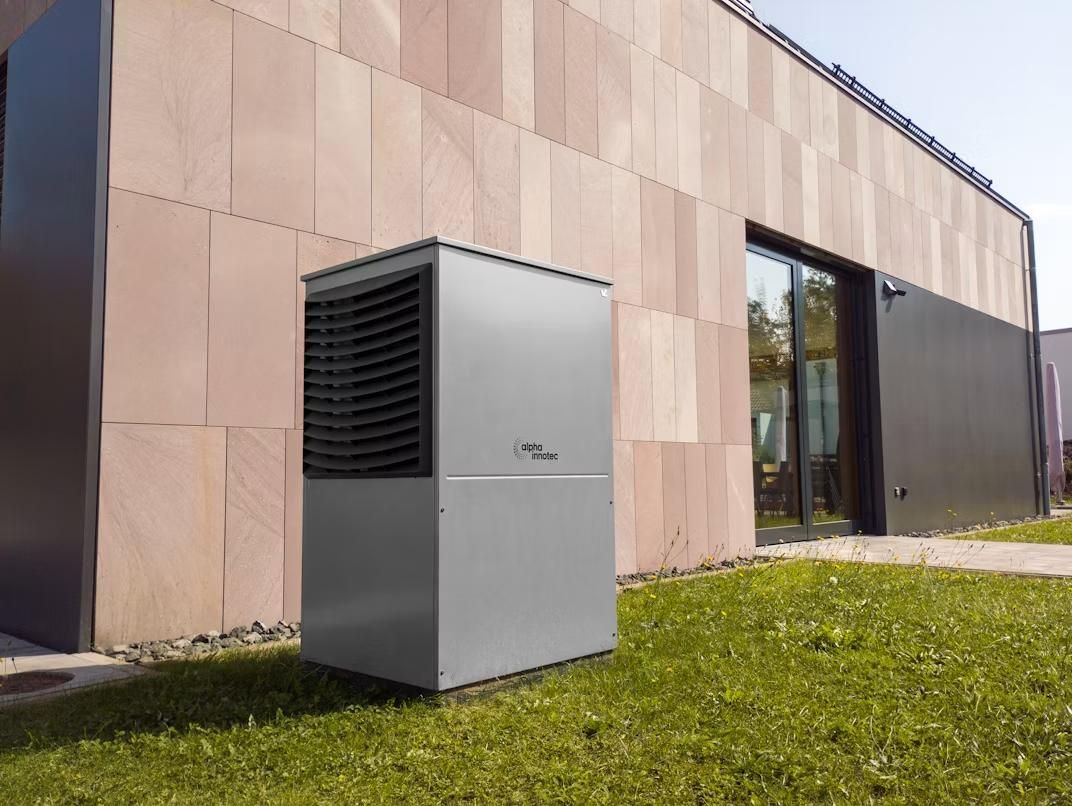
The heat pump serves as the primary heating source whenever outdoor temperatures are relatively mild. Rather than generating heat, it transfers existing heat from the outside air into the home, making it one of the most energy-efficient heating methods available.
When outdoor temperatures become too cold for the heat pump to operate efficiently, the system automatically switches to the gas furnace. The furnace then provides consistent, reliable heat without requiring the homeowner to make any adjustments.
This automatic transition allows the home to remain comfortable while helping reduce unnecessary energy consumption.

Why Heat Pumps Are So Efficient
Many homeowners assume heat pumps only work in warm climates, but modern systems perform well throughout much of the Mid-Atlantic for a significant portion of the heating season.
Unlike traditional heating equipment that creates heat through combustion, a heat pump moves heat from one location to another. Because it transfers heat instead of producing it, it typically uses less energy during moderate weather.
During spring, fall, and many winter days, the heat pump can comfortably maintain indoor temperatures while operating efficiently.
Regular HVAC maintenance helps ensure heat pumps continue performing efficiently throughout these changing seasons.
Understanding the Furnace's Role
Although heat pumps are highly efficient, every system reaches a point where outdoor temperatures become too low for efficient operation.
This is where the gas furnace becomes important.
Once temperatures fall below a predetermined level, the furnace automatically takes over. Instead of struggling to extract limited heat from cold outdoor air, the system uses the furnace to produce stronger, more consistent warmth.
This combination allows homeowners to enjoy:
● Reliable heating during freezing temperatures
● Improved indoor comfort
● Better energy efficiency throughout the rest of the season
● Reduced strain on the heat pump
Rather than competing with each other, both heating sources work together to deliver the most practical solution for changing weather conditions.

How the System Decides Which Heating Source to Use
One of the biggest advantages of a dual-fuel HVAC system is that homeowners do not have to decide when to switch between heating sources.
Modern control systems monitor outdoor temperatures and automatically determine which equipment should operate.
This process relies on what HVAC professionals call the balance point.
Understanding the Balance Point
The balance point refers to the outdoor temperature at which the heat pump is no longer the most efficient heating option.
Above this temperature:
● The heat pump provides efficient heating.
Below this temperature:
● The furnace becomes the preferred heating source.
The exact balance point depends on several factors, including:
Home Insulation
Well-insulated homes retain heat more effectively, allowing the heat pump to remain efficient for longer periods.
Local Climate
Homes throughout Chester County, Delaware County, and parts of Montgomery County experience varying winter temperatures that influence when the furnace becomes necessary.
HVAC Equipment Efficiency
Higher-efficiency heat pumps often continue operating effectively at lower temperatures than older models.
Home Size
Larger homes may require different balance point settings than smaller properties because of their heating demands.
Proper installation ensures these settings are calibrated for each home's specific requirements.

Smart Controls Make the Transition Seamless
Modern thermostats play an important role in dual-fuel operation.
Instead of requiring manual adjustments, intelligent controls constantly evaluate outdoor conditions and automatically select the most efficient heating source.
Benefits include:
Improved Energy Efficiency
The thermostat chooses the heating option that uses energy most effectively at any given temperature.
Consistent Indoor Comfort
Automatic switching prevents sudden temperature fluctuations inside the home.
Reduced Equipment Wear
By allowing each component to operate under the conditions where it performs best, unnecessary stress on the system is reduced.
Greater Convenience
Homeowners simply choose their preferred indoor temperature while the system handles everything else.
Routine HVAC maintenance services include inspecting these controls to ensure accurate system operation.

Maintenance Keeps Both Heating Systems Performing Properly
Since dual-fuel systems include two heating components, regular maintenance becomes especially important.
Professional inspections help ensure the heat pump, furnace, thermostat, electrical components, and safety controls continue working together efficiently.
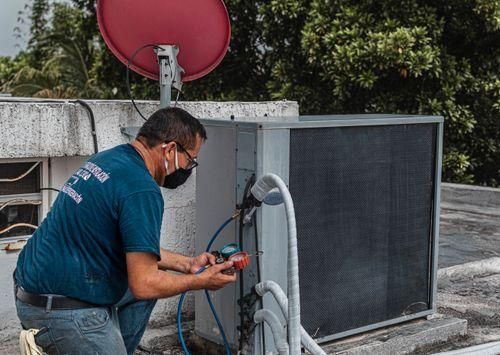
Heat Pump Inspection
Technicians examine:
● Refrigerant levels
● Outdoor coils
● Electrical connections
● Airflow
● Fan operation
Furnace Inspection
Maintenance includes:
● Burner inspection
● Heat exchanger evaluation
● Ignition testing
● Safety control checks
● Air filter replacement
Thermostat Testing
Technicians verify that the thermostat communicates correctly with both heating systems and switches at the proper balance point.
Airflow Evaluation
Proper airflow supports efficiency while reducing unnecessary wear on equipment.
Scheduling annual maintenance helps identify small concerns before they become larger repairs requiring heating repair services.

Signs Your Current Heating System May Benefit from a Dual-Fuel Upgrade
Not every homeowner immediately needs a dual-fuel system, but certain situations often make it worth considering.
Some common indicators include:
Rising Energy Bills
As heating systems age, they often become less efficient and require more energy to produce the same level of comfort. This decline in performance can gradually lead to higher monthly utility bills.
Uneven Heating
Older equipment may struggle to distribute heat evenly throughout the home, leaving some rooms colder than others. Inconsistent temperatures can reduce comfort and place additional strain on the system.
Frequent Repairs
Recurring breakdowns and repair calls are often signs that a heating system is nearing the end of its useful life. Addressing these issues repeatedly can become more expensive than investing in a long-term solution.
Aging Equipment
Most furnaces and heat pumps naturally lose efficiency as they get older, even with regular maintenance. Replacing outdated equipment can improve performance, reliability, and overall energy efficiency.
When replacement becomes necessary, upgrading to a dual-fuel HVAC system may provide long-term value.

Is a Dual-Fuel HVAC System Right for Every Home?
Although these systems offer many advantages, they are not the ideal solution for every property.
Several factors influence whether a dual-fuel installation makes sense. Some of which are listed below:
Climate Conditions
Areas that experience both mild winters and periods of freezing temperatures often benefit the most from dual-fuel operation.
Existing HVAC Equipment
Homes already equipped with compatible ductwork and gas service may find installation more straightforward.
Long-Term Energy Goals
Homeowners planning to remain in their homes for many years often appreciate the ongoing energy savings and improved comfort these systems can provide.
Budget Considerations
While installation costs may be higher than those of replacing a single heating unit, many homeowners view the improved efficiency and reliability as worthwhile long-term investments.
A professional evaluation helps determine which solution best matches the home's heating needs.
Professional Installation Makes a Significant Difference
Even the most advanced HVAC equipment cannot perform as intended without proper installation.
Professional technicians carefully evaluate:
● Home size
● Insulation levels
● Existing ductwork
● Furnace compatibility
● Heat pump capacity
● Thermostat configuration
● Airflow requirements
These factors all contribute to how efficiently the finished system performs throughout the year.
Working with an experienced heating company in Pennsylvania helps ensure every component is correctly installed and calibrated from the beginning.

Long-Term Benefits Beyond Lower Utility Bills
While lower energy costs are often one of the biggest reasons homeowners consider a dual-fuel HVAC system, the advantages extend well beyond monthly utility savings. From improved comfort to better equipment longevity, this type of system offers several long-term benefits that can make a noticeable difference over time.
Below are some of the key advantages homeowners can expect.
Improved Year-Round Comfort
A dual-fuel system automatically switches between the heat pump and furnace based on outdoor temperatures, helping maintain a more consistent indoor climate throughout the year. Instead of experiencing uneven heating during colder weather, homeowners can enjoy steady comfort without constantly adjusting the thermostat.
Greater Reliability
Because a dual-fuel system includes two heating sources, it offers an added level of dependability during the winter months. When temperatures become too cold for the heat pump to operate efficiently, the furnace takes over to provide consistent warmth.
Better Equipment Performance
Each component of a dual-fuel system is used only when it can perform most efficiently. The heat pump handles milder temperatures, while the furnace operates during colder conditions. This balanced workload helps reduce unnecessary strain on both pieces of equipment, which can contribute to more efficient performance, fewer unexpected breakdowns, and a longer service life when combined with routine maintenance.
Increased Home Value
Energy-efficient HVAC upgrades are often viewed as a valuable feature by prospective homebuyers. A professionally installed dual-fuel system demonstrates that the home has been equipped with modern technology designed to improve comfort and efficiency.
Choose Experienced HVAC Professionals for Your Next Upgrade
Choosing the right heating system involves more than selecting equipment. Proper design, installation, and ongoing maintenance all contribute to long-term comfort, efficiency, and reliability. Whether you're considering a new dual-fuel HVAC system, need seasonal maintenance, or require repairs, working with experienced professionals helps ensure your investment delivers lasting performance.
At Dixie Land Energy, we proudly provide heating installation, HVAC maintenance services, air conditioning installations, repairs, and complete HVAC solutions for homeowners throughout Chester County, Delaware County, and parts of Montgomery County. Our experienced team takes the time to evaluate each home's unique needs, recommend practical solutions, and deliver dependable workmanship backed by exceptional customer service.
If you're ready to improve comfort, increase efficiency, or explore whether a dual-fuel system is right for your home, contact us today to schedule a consultation with our HVAC experts.