ERV vs. HRV: Choosing Whole-Home Ventilation for Tighter, More Efficient Homes
As homes become more energy efficient, they also become more tightly sealed. Better insulation, upgraded windows, and improved construction methods help reduce energy loss, but they also limit the amount of fresh outdoor air entering the home. While this improves heating and cooling efficiency, it can also lead to stale indoor air, excess humidity, and a buildup of airborne pollutants if proper ventilation is not in place. A whole-home ventilation system is designed to solve these issues by continuously bringing fresh air into the home while removing stale indoor air without placing unnecessary strain on the HVAC system.
This blog explains the differences between energy recovery ventilators (ERVs) and heat recovery ventilators (HRVs), how each system works, how they manage fresh air and humidity, the maintenance they require, and how homeowners can determine which ventilation solution is best suited for their home.
Why Modern Homes Need Better Ventilation
Today's homes are designed to reduce drafts and prevent conditioned air from escaping. While this improves energy efficiency, it also reduces natural airflow that older homes once experienced through small gaps around doors, windows, and building materials.
Without proper ventilation, indoor air can become trapped, allowing moisture, dust, cooking odours, cleaning chemicals, and other airborne particles to remain inside for longer periods. This can affect both indoor comfort and air quality.
A properly installed whole-home ventilation system helps create a healthier indoor environment by continuously exchanging stale indoor air with fresh outdoor air while recovering valuable energy that would otherwise be lost.

Understanding How Whole-Home Ventilation Works
Unlike opening windows, whole-home ventilation systems provide controlled and consistent airflow regardless of outdoor weather conditions.
These systems work by:
● Removing stale indoor air.
● Bringing fresh outdoor air into the home.
● Recovering heat or energy before air leaves the house.
● Reducing unnecessary workload on the HVAC equipment.
Because the incoming air is preconditioned before entering the home, the heating and cooling system does not have to work as hard to maintain comfortable indoor temperatures.
Routine HVAC maintenance service in Pennsylvania helps ensure ventilation equipment continues operating efficiently alongside the rest of the HVAC system.

What Is an HRV?
A Heat Recovery Ventilator (HRV) is designed to improve indoor air quality while conserving heat during the ventilation process.
An HRV contains two separate air streams:
● Fresh outdoor air entering the home.
● Stale indoor air leaving the home.
As these air streams pass through the heat exchanger, warmth from the outgoing indoor air is transferred to the incoming outdoor air. The two air streams never mix, but the heat exchange helps reduce energy loss.
This process allows homeowners to enjoy fresh air without sacrificing as much indoor heat during colder months.
How an HRV Benefits Homeowners
HRVs offer several practical advantages for homeowners who want better ventilation while maintaining heating efficiency.
Improves Indoor Air Quality
An HRV continuously replaces stale indoor air with fresh outdoor air, helping reduce indoor pollutants, cooking odours, and airborne contaminants that naturally accumulate inside tightly sealed homes.
Conserves Heat During Winter
Instead of allowing warm indoor air to escape completely, the system transfers much of its heat to the incoming fresh air. This helps reduce heating demand while maintaining comfortable indoor temperatures.
Supports Consistent Airflow
Because ventilation occurs continuously, fresh air is distributed more evenly throughout the home instead of relying on occasional window opening.
Helps Reduce HVAC Workload
Recovering heat before fresh air enters the home allows the heating system to operate more efficiently during colder weather.

What Is an ERV?
An Energy Recovery Ventilator (ERV) performs many of the same functions as an HRV, but with one important difference.
In addition to transferring heat, an ERV also transfers moisture between the incoming and outgoing air streams.
This added humidity control makes ERVs especially useful in climates where moisture management plays an important role in indoor comfort.
Rather than simply exchanging air, an ERV helps maintain a healthier indoor humidity balance throughout the year.

How an ERV Benefits Homeowners
Like HRVs, ERVs offer numerous advantages that improve both comfort and HVAC efficiency.
Some of the key benefits include the following.
Helps Maintain Balanced Humidity
One of the biggest advantages of an ERV is its ability to transfer moisture as well as heat. During different seasons, this helps prevent indoor air from becoming excessively dry or overly humid.
Improves Overall Comfort
Balanced humidity often makes indoor temperatures feel more comfortable without requiring frequent thermostat adjustments.
Reduces HVAC System Strain
Since the incoming air is already partially conditioned before entering the home, the HVAC equipment spends less energy reaching the desired indoor temperature.
Scheduling regular HVAC maintenance helps ensure both the ventilation system and heating and cooling equipment continue working together efficiently.
Supports Better Indoor Air Quality
Continuous fresh air circulation helps reduce stale indoor air while improving ventilation throughout the home.

The Biggest Difference Between ERVs and HRVs
Although both systems improve ventilation and recover energy, the primary difference lies in how they handle moisture.
An HRV transfers heat but does not transfer humidity.
An ERV transfers both heat and moisture.
This difference affects how each system performs under different indoor conditions and climates.
For homes where humidity control is a priority, an ERV often provides additional comfort by helping regulate moisture levels while still improving ventilation efficiency.

Factors to Consider When Choosing Between an ERV and an HRV
Choosing the right ventilation system depends on several factors. Every home has unique characteristics that influence which option will provide the best results.
Below are some of the most important considerations homeowners should evaluate.
Local Climate
Climate plays a significant role in determining which ventilation system will perform most effectively.
Homes throughout Chester County, Delaware County, and parts of Montgomery County experience changing seasonal conditions that require balanced heating, cooling, and ventilation solutions.
Indoor Humidity Levels
Some homes naturally experience higher humidity because of their construction, occupancy, or everyday household activities.
Understanding indoor moisture levels helps determine whether humidity transfer would be beneficial.
Home Construction
Newly built or recently renovated homes are often much more airtight than older properties.
These homes generally benefit more from controlled mechanical ventilation because natural airflow is significantly reduced.
Family Lifestyle
The number of occupants, cooking habits, pets, and everyday activities all influence indoor air quality and ventilation requirements.
Professional HVAC evaluations consider these factors when recommending the most suitable system.
How Whole-Home Ventilation Supports HVAC Efficiency
Many homeowners assume ventilation increases heating and cooling costs because outdoor air enters the home. In reality, properly designed ventilation systems are built to minimise energy loss.
Rather than introducing untreated outdoor air directly into the home, ERVs and HRVs recover valuable heat before exchanging air. This reduces the amount of work required from the heating and cooling equipment to maintain comfortable indoor temperatures.
When ventilation and HVAC systems work together efficiently, homeowners can enjoy improved comfort without significantly increasing energy consumption.
Maintaining a Whole-Home Ventilation System
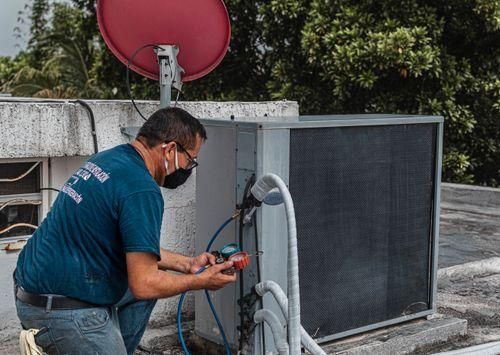
Like any HVAC equipment, an ERV or HRV performs best when it receives routine maintenance. While these systems are designed to operate efficiently for many years, neglecting regular inspections can reduce airflow, lower efficiency, and affect indoor air quality.
Professional maintenance helps ensure the ventilation system continues working alongside the heating and cooling equipment without unnecessary interruptions.
The following maintenance tasks are typically performed during a professional service visit.
Cleaning or Replacing Filters
Filters collect dust, pollen, and other airborne particles before fresh air enters the home. Over time, these filters become dirty and can restrict airflow if they are not cleaned or replaced according to the manufacturer's recommendations.
Inspecting the Heat Exchange Core
The heat exchange core is one of the most important components of both ERVs and HRVs. During maintenance, technicians inspect the core for dirt or debris that could reduce its ability to transfer heat efficiently.
Checking Airflow
Balanced airflow is essential for proper ventilation. Technicians verify that both the incoming and outgoing air streams are moving at the correct rate to maintain efficient operation throughout the home.
Examining Ductwork
Leaks, loose connections, or blockages within the ductwork can reduce the effectiveness of the ventilation system. A thorough inspection helps identify any areas that may require repair or adjustment.
Testing System Controls
Many ventilation systems include programmable controls or sensors that regulate airflow. Routine testing helps ensure these controls continue operating correctly and responding to changing indoor conditions.
Scheduling HVAC maintenance service allows homeowners to keep both their ventilation equipment and HVAC system operating as efficiently as possible throughout the year.

Signs Your Home May Need a Whole-Home Ventilation System
Not every home requires additional ventilation, but certain signs often indicate that indoor airflow could be improved. If any of the following issues occur regularly, it may be worth having the home professionally evaluated.
Persistent Indoor Humidity
If windows frequently develop condensation or the home feels damp even when the HVAC system is running, excess moisture may not be leaving the home efficiently.
Stale Indoor Air
Air that feels stuffy or stale despite regular heating and cooling can indicate that fresh outdoor air is not circulating properly throughout the home.
Lingering Odours
Cooking smells, cleaning product odours, or other household scents that remain for long periods may suggest poor ventilation.
Recently Renovated or Newly Built Homes
Modern construction methods create tighter building envelopes that significantly reduce natural airflow. These homes often benefit from controlled ventilation systems that maintain indoor air quality while preserving energy efficiency.
Allergy or Indoor Air Quality Concerns
Improved ventilation can help reduce the buildup of airborne particles by continually replacing stale indoor air with filtered outdoor air.
Common Misconceptions About Whole-Home Ventilation
Many homeowners hesitate to install ventilation systems because of common misconceptions. Understanding how these systems actually work helps homeowners make informed decisions.
The following are some of the most common myths.
Opening Windows Does the Same Thing
Opening windows may temporarily introduce fresh air, but it is not a consistent or energy-efficient solution. Whole-home ventilation systems provide controlled airflow throughout the year, regardless of outdoor temperatures or weather conditions.
Ventilation Wastes Energy
ERVs and HRVs are specifically designed to recover heat before exchanging air. Rather than wasting energy, they help reduce heating and cooling losses while improving indoor air quality.
Only Large Homes Need Ventilation
Ventilation is determined by how tightly a home is sealed rather than its size. Smaller homes with modern insulation can benefit just as much as larger properties.
Making the Right Choice for Your Home
At Dixie Land Energy, we understand that every home has unique heating, cooling, and ventilation needs. Our experienced team provides HVAC services, air conditioning repair services, heating installation, preventative maintenance, and complete HVAC solutions for homeowners throughout Chester County, Delaware County, and parts of Montgomery County.
Whether you're considering a whole-home ventilation system, upgrading existing equipment, or scheduling routine maintenance, we are here to help you make informed decisions that improve comfort and efficiency.
Contact us today to schedule a consultation and let our team help you create a healthier, more comfortable home.