Ice, Snow, and Debris: Did Winter Weather Damage Your Outdoor AC Condenser?
Winter storms can be hard on many parts of a home, and one component that often gets overlooked is the AC condenser. During the colder months, most homeowners focus on heating systems, but the outdoor cooling unit remains exposed to snow, ice, and debris. Over time, these conditions can cause hidden damage that may not show up until temperatures begin to rise again. Heavy snow accumulation, falling branches, and ice buildup around the unit can restrict airflow, bend coil fins, or damage internal components. When spring arrives, and you switch your cooling system back on, these problems can quickly result in reduced efficiency or the need for AC repair in Delaware.
That’s why routine seasonal inspections are just as important as winter heating repair services. Catching small issues early, such as minor coil damage, loose components, blocked drainage, or restricted airflow, can help homeowners avoid sudden system failures when temperatures begin to rise. A simple inspection in early spring can reveal whether your outdoor cooling unit suffered any hidden winter damage. Addressing these concerns promptly not only helps prevent costly emergency repairs but also improves system efficiency, extends equipment lifespan, lowers energy costs, and ensures your home stays comfortable when you depend on your cooling system the most.
Why Winter Weather Can Be Tough on Your AC Condenser
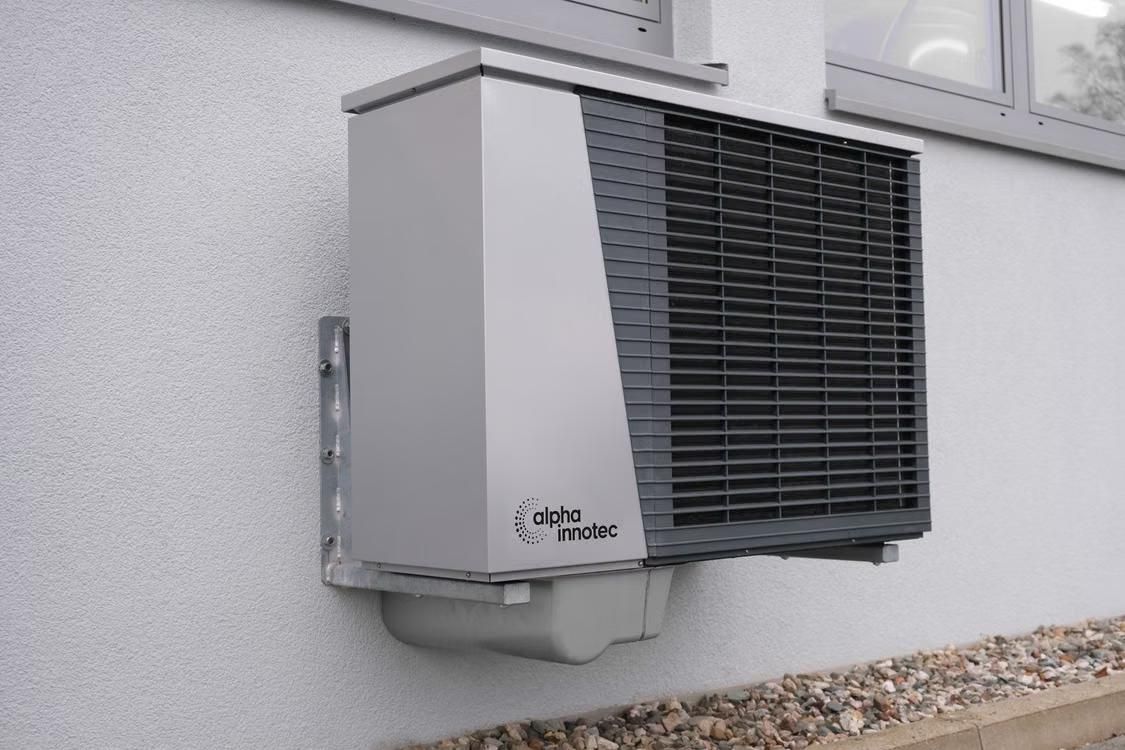
Outdoor HVAC equipment is designed to withstand the elements, but prolonged exposure to harsh winter weather can still cause damage. The AC condenser is especially vulnerable because it is located outside year-round and contains sensitive components, such as condenser coils and electrical connections. Snow and ice buildup can put pressure on the unit’s metal fins and protective casing.
Over time, this pressure can bend coil fins or clog airflow pathways, which prevents the system from releasing heat efficiently. If airflow becomes restricted, the entire cooling system may struggle to operate properly. Winter storms can also bring strong winds that blow leaves, twigs, and other debris into the unit. Even though your heating system may be your main concern during winter, protecting your cooling equipment can help prevent the need for early-season AC repairs in Delaware
Common Signs of Winter Damage to Your AC Condenser
When spring approaches, homeowners should perform a basic inspection of their outdoor unit before turning on the cooling system. Recognizing early warning signs can help prevent larger mechanical issues. A quick visual check can reveal problems such as debris buildup, damaged panels, loose wiring, or signs of rust that may have developed during the winter months. Even something as simple as checking whether the unit is sitting level on its base can make a difference in performance.
Homeowners should also pay attention to the area surrounding the unit. Make sure plants, weeds, or leftover fall leaves have not grown or collected too close, as this can restrict proper airflow. Listening carefully when the system is first turned on can also help identify unusual sounds that may indicate internal wear or obstruction.
If anything appears unusual, it is always better to address it early rather than waiting for the system to fail during hot weather. Preventive attention and early maintenance can help ensure reliable performance, better efficiency, and fewer unexpected repair costs throughout the cooling season.
Here are several indicators that winter weather may have affected your AC condenser:
1. Bent or Damaged Coil Fins
The aluminum fins surrounding the condenser coils are thin and delicate. Heavy snow or debris can easily bend them. When these fins become damaged, airflow is reduced, and the unit struggles to release heat efficiently.
2. Debris Inside the Unit
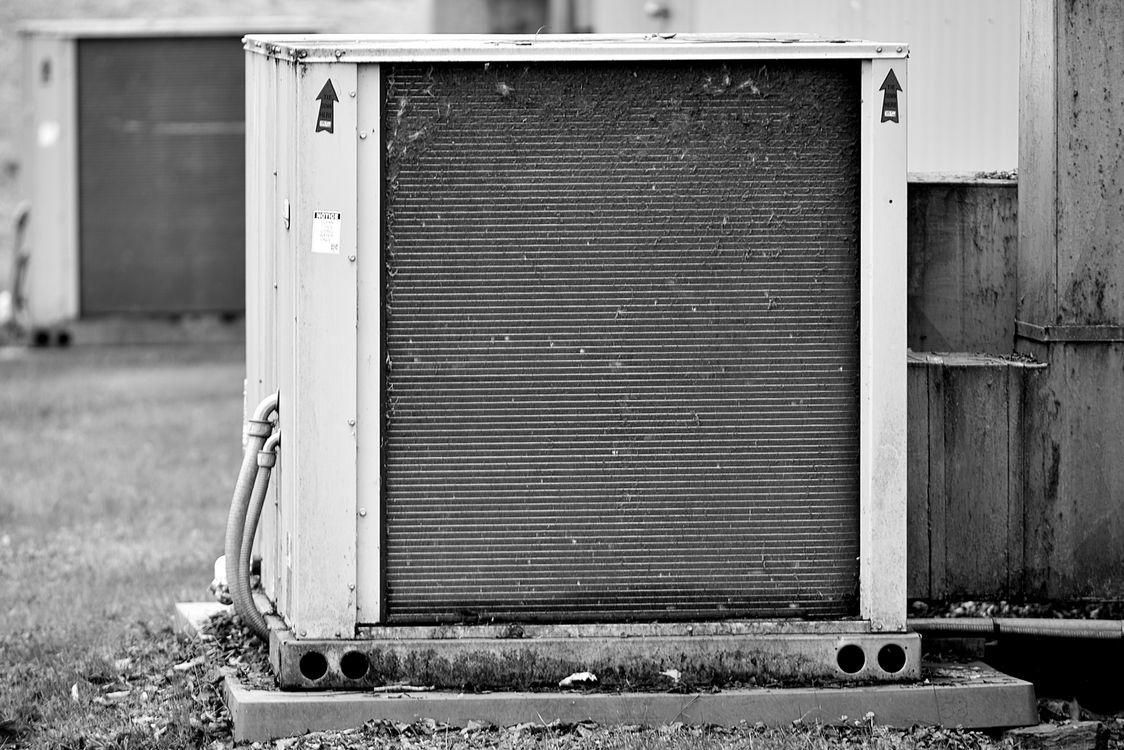
Leaves, twigs, dirt, and other debris may collect inside the AC condenser during winter storms. This buildup blocks airflow and may cause the system to work harder than necessary.
3. Ice Damage Around the Housing
Repeated freezing and thawing cycles can cause cracks or structural issues around the outer casing of the unit. This type of damage can expose internal components to moisture and corrosion.
4. Strange Noises When the System Starts
If you hear rattling or grinding sounds when turning on your air conditioner for the first time in spring, debris or internal damage could be affecting it.
5. Reduced Cooling Performance
Poor airflow and damaged coils can prevent your cooling system from working efficiently, leading to uneven temperatures inside your home. If you notice any of these issues, scheduling professional HVAC services can help identify and fix the problem before it worsens.
6. Visible Rust or Corrosion
If you notice rust forming on the exterior panels or around connections, it could be a sign that moisture from snow and ice remained on the unit too long. Corrosion can weaken important components and may eventually lead to leaks or electrical failures if not addressed in time.
7. Unit Tilting or Shifting
The freeze-thaw cycle during winter can cause the ground beneath the outdoor unit to expand and contract. This may cause the unit to tilt or become uneven. An unlevel unit can affect internal operation and may lead to long-term mechanical problems if not corrected.
8. Damaged Insulation on Refrigerant Lines
The insulation that protects refrigerant lines can crack or deteriorate due to extreme cold. Damaged insulation reduces energy efficiency and may cause the system to work harder than necessary to maintain comfortable indoor temperatures.
9. Delayed System Start
If your cooling system takes longer than usual to start or struggles to reach the set temperature, winter damage may have affected important components. This could indicate the need for inspection before the problem becomes more serious.
10. Higher Energy Bills
A sudden increase in your energy bill after turning on your cooling system may indicate hidden damage or reduced efficiency caused by winter exposure. This is often an early warning sign that maintenance or repairs may be needed.
How Snow and Ice Impact Airflow
Airflow is essential for the proper function of any cooling system. The AC condenser releases heat from your home to the outside air, and this process depends on unrestricted airflow through the coils.
When snow or debris blocks these coils, heat cannot escape efficiently. As a result, the system must work harder to cool your home. This extra strain can lead to higher energy bills, faster wear on components, and potential system failure. Ice buildup can also cause moisture damage as it melts and refreezes around sensitive parts of the unit. Over time, these conditions may lead to corrosion or electrical issues that require professional air conditioning repair in Maryland. Ensuring the condenser remains clear of obstructions helps maintain airflow and keeps the entire cooling system running smoothly.
In addition, restricted airflow can also affect indoor comfort by causing inconsistent cooling from room to room. You may notice some areas feeling warmer than others or the system running longer than usual to maintain the desired temperature. Regular cleaning and seasonal inspections can help prevent these issues. Professional technicians can also check for hidden blockages, test system pressure, and make adjustments to ensure optimal airflow, efficiency, and long-term performance.
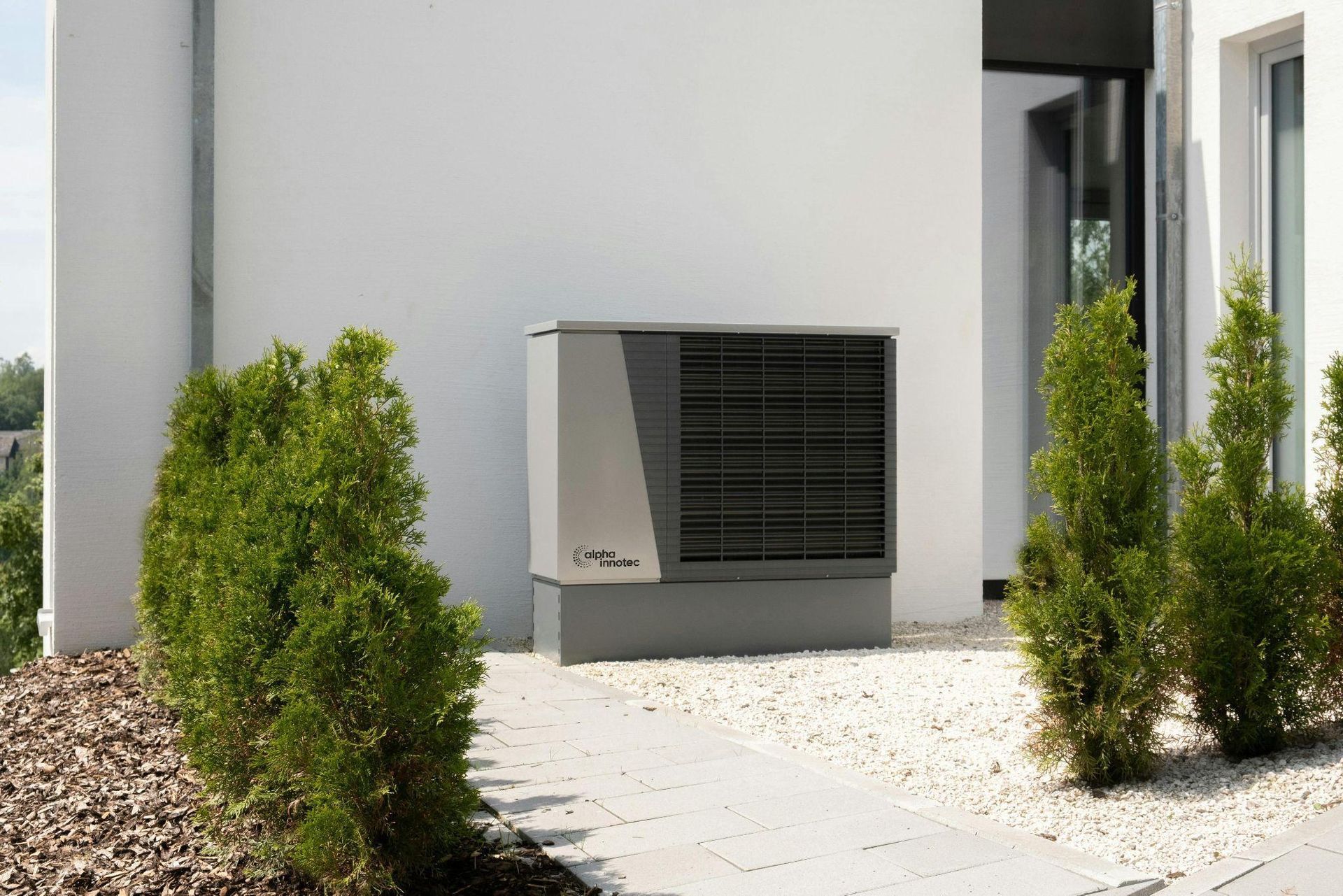
Debris Damage After Winter Storms
Storms during the winter season often carry debris that can collect around outdoor equipment. Branches, leaves, and dirt may get lodged inside the AC condenser, especially if strong winds occur.
Debris buildup can cause several problems:
· Restricted airflow through the condenser coils
· Overheating of system components
· Increased strain on the compressor
· Reduced energy efficiency
If debris remains inside the unit for an extended period, it may also trap moisture, which can contribute to corrosion. These issues may not become apparent until the system begins operating again in warmer weather. A simple visual inspection and cleaning can help homeowners prevent these complications and reduce the likelihood of needing AC repair later.
Steps Homeowners Can Take to Inspect Their Unit
While professional maintenance is always recommended, homeowners can perform a basic visual inspection of their AC condenser before starting the system in spring. Taking a few preventive steps can help identify minor concerns before they turn into costly repairs and can also improve overall system efficiency. Here are a few simple steps to follow:
Clear Away Debris
Remove leaves, branches, and other debris from around the unit. Maintaining a clear area around the system helps improve airflow and prevents future blockages. It is also helpful to maintain at least two feet of open space around the unit for proper ventilation.
Check the Coils and Fins
Look closely at the condenser fins. If they appear bent or damaged, airflow may be restricted, and the unit could require professional attention. Dirty coils should also be cleaned carefully to prevent efficiency problems.
Examine the Exterior Housing
Inspect the outer casing of the unit for cracks, dents, or signs of corrosion that may have developed during winter. Small issues can worsen if left untreated.
Ensure Proper Airflow
Make sure there is adequate space around the unit so air can circulate freely when the system is running. Also, check that nearby fences, furniture, or storage items are not blocking ventilation. While these steps can help identify visible problems, deeper issues may require professional evaluation.
Why Professional Spring Maintenance Matters
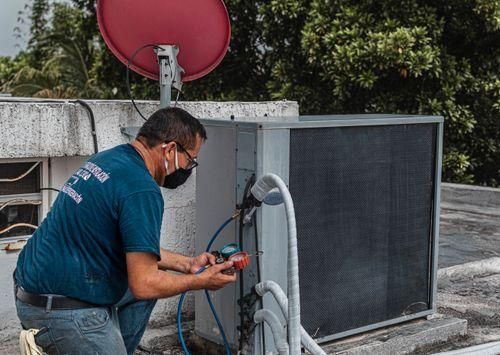
Even if your system appears to be in good condition, scheduling a professional inspection in spring can help catch problems early. HVAC technicians have the tools and expertise to assess the internal components of the AC condenser and ensure everything is operating correctly. A professional inspection also provides peace of mind, knowing your system is prepared to handle increased demand during the warmer months.
During a spring tune-up, technicians typically:
• Clean the condenser coils
• Check refrigerant levels
• Inspect electrical connections
• Test airflow and system performance
• Identify potential wear or damage
They may also calibrate the thermostat, tighten loose components, lubricate moving parts, and check safety controls to ensure everything is functioning properly. Routine maintenance helps improve efficiency, extend the lifespan of your equipment, and reduce the likelihood of emergency AC repair in Pennsylvania during the hottest months of the year. Regular servicing can also help maintain manufacturer warranties and improve indoor comfort.
Protecting Your AC Condenser from Future Winter Damage
Preventive steps can help minimize the impact of winter weather on your cooling system. Some simple protective measures include:
· Keeping the area around the unit clear of debris
· Installing a protective cover designed for HVAC equipment
· Trimming nearby tree branches that could fall during storms
· Scheduling regular professional maintenance
These small actions can go a long way toward protecting your AC condenser and ensuring your system operates efficiently year-round.
When to Call HVAC Professionals
While minor debris removal can often be handled by homeowners, certain signs indicate that professional help is needed. You should contact HVAC professionals if you notice:
• Persistent airflow problems
• Loud or unusual noises when the system runs
• Visible damage to the condenser coils
• Reduced cooling performance
• Higher-than-normal energy bills
Professional technicians can diagnose the issue quickly and recommend appropriate repairs or maintenance solutions. Timely service can also prevent small issues from turning into major system failures. Early professional attention can also improve system reliability, restore efficiency, and help you avoid unexpected breakdowns during peak summer temperatures.
Get Your Cooling System Ready for Spring
After months of exposure to winter weather, your AC condenser may need attention before the cooling season begins. Addressing potential issues early can prevent unexpected breakdowns and keep your home comfortable when temperatures rise. At Dixie Land Energy, we help homeowners prepare their systems for the changing seasons.
Our experienced team provides dependable HVAC services, including AC repair in Delaware, AC installation, and complete heating and cooling solutions. We also assist homeowners with heating installation in Delaware and seasonal heating repair when colder weather returns.
If winter storms may have affected your AC condenser, our professionals are ready to help. Whether you need maintenance, inspection, or reliable air conditioning repair, we ensure your system is operating safely and efficiently.
Contact us today to schedule a spring tune-up and keep your home comfortable all year long.