5 Signs Your AC Needs a Repair Before the First Heatwave
Spring weather has a way of softening the urgency around home maintenance. The afternoons feel comfortable, the windows open easily, and the air conditioner sits quietly outside, waiting. Then the first real heatwave arrives, the system clicks on, and something is off. We see this pattern every year, and it almost always traces back to small problems that started in winter and went unnoticed. Catching the early warning signs is far less expensive than scrambling for an emergency AC repair appointment in late June. If you live in our coverage zone for HVAC services in Maryland, a quick check this month can save a long, sweaty wait when temperatures climb. You can also schedule a spring AC tune-up to catch issues before they grow into full breakdowns.
Why Spring AC Issues Sneak Up on Homeowners
Air conditioners spend the off-season exposed to cold, moisture, leaves, and pollen. Components contract and expand, gaskets harden, and small mechanical issues that were invisible in October can sit dormant until the system gets pushed back into full duty.
Most homeowners only think about their AC when it stops working. By that point, the failure is usually the result of weeks or months of strain that could have been caught earlier with a brief inspection. The pattern is consistent year after year, and the cost difference between a planned repair and an emergency call is significant.
The good news is that air conditioners almost always send signals before they fail outright. Unusual sounds, weak performance, sudden bill spikes, and visible moisture are all early indicators. Understanding what to listen and look for puts you a step ahead of the heatwave. According to ENERGY STAR maintenance guidance, scheduling pre-season checks in spring is one of the most reliable ways to keep cooling systems efficient and avoid mid-summer surprises.
The 5 Warning Signs Your AC Needs Attention
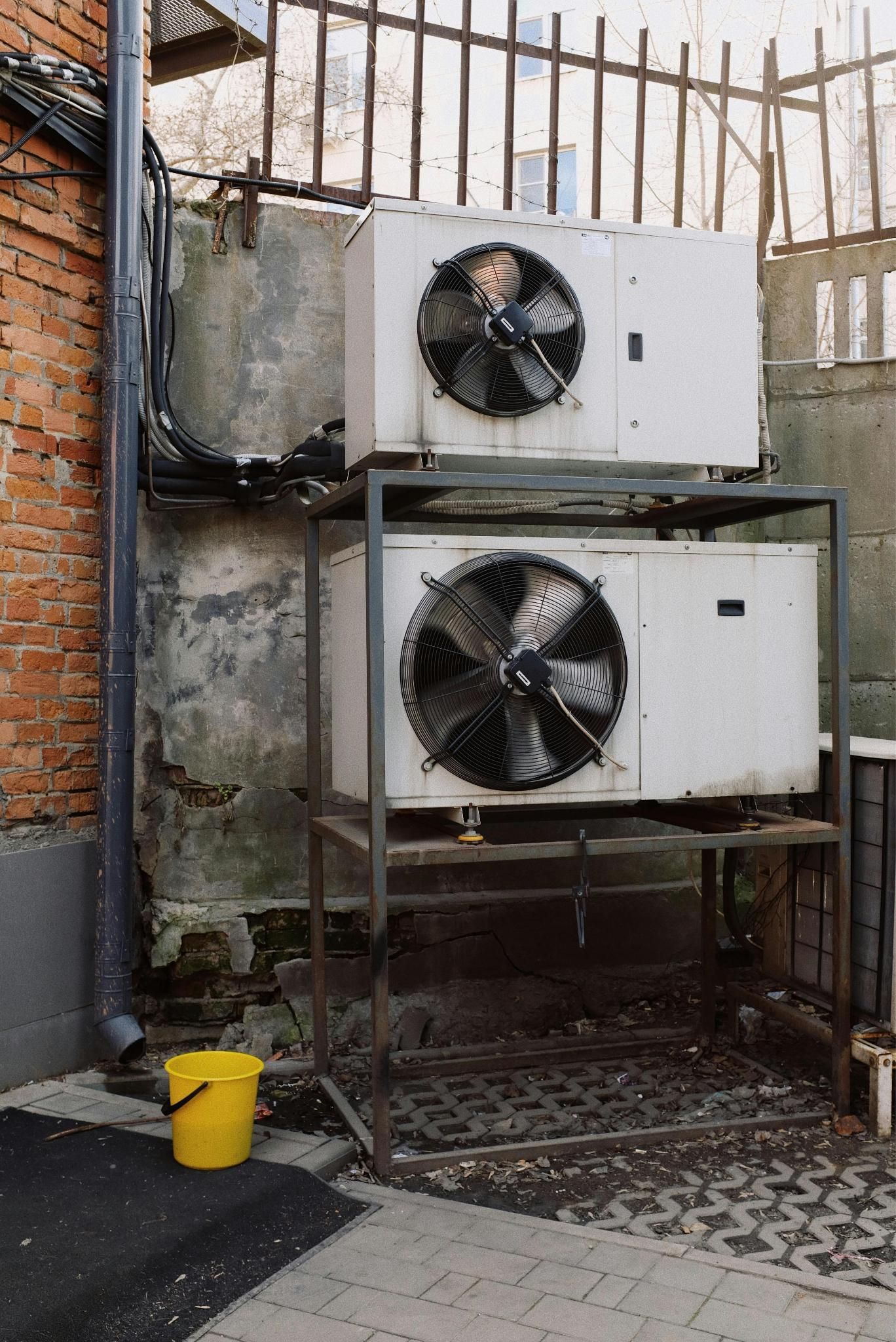
Below are the five most common indicators we encounter on spring service calls. Any one of them on its own is worth a closer look. Two or more together usually mean a service visit before the system gets put under heavy load.
1. Strange Noises Coming From the Indoor or Outdoor Unit
Air conditioners are designed to run quietly. A faint hum from the outdoor condenser and a soft whoosh from the indoor air handler are normal. Anything louder than that is the system telling you something.
Rattling often means a loose panel, a bent fan blade, or debris that worked its way into the unit over winter. Buzzing typically points to an electrical issue, often a failing capacitor or contactor. A grinding sound is more serious and usually indicates motor bearing wear that needs prompt attention. Hissing can mean a refrigerant leak, which is a problem only a licensed technician should handle because of the special handling rules for refrigerants.
None of these noises will fix themselves. They tend to get louder and more frequent as the system runs harder during warm weather. Catching them now means a quick repair instead of a replacement.
2. Weak or Uneven Airflow Through the Vents
Hold your hand over a supply vent with the system running on cool. The air should feel firm and steady. If it feels soft, intermittent, or noticeably weaker in some rooms than others, the system has an airflow problem.
Common culprits include a clogged filter, a failing blower motor, partially blocked ducts, or refrigerant levels that are off. Filters are the easiest to rule out and the most likely cause. Replacing a dirty filter is something every homeowner can do, and the Department of Energy explains why airflow restrictions force the system to work harder while reducing comfort. If the filter is clean and airflow is still weak, that points to deeper issues that benefit from professional diagnostics.
3. Warm Air Blowing When Cool Air Should Be
This is the most obvious sign that something is wrong, and unfortunately, the most common one homeowners ignore until summer. Warm air at the vents typically means refrigerant problems, a frozen evaporator coil, a failing compressor, or thermostat miscommunication. None of these are DIY fixes. We provide air conditioning repair services in Delaware and across our coverage area, and warm-air calls always rank among the most preventable failures we see. A pre-season check would have caught the underlying issue weeks earlier.
4. Water Pooling or Leaks Around the Indoor Unit
Air conditioners produce condensation as part of normal operation, and that water is supposed to drain away through a dedicated line. When you see water collecting around the indoor air handler or seeping into the surrounding floor, the drain line is either clogged, disconnected, or the condensate pump has failed.
Ignored water issues lead to two problems. First, you risk water damage to ceilings, drywall, and flooring. Second, the moisture creates a perfect breeding ground for mold and bacteria, which then circulate through your home every time the system runs. The EPA notes that mold growth indoors traces back to moisture problems, and a leaking AC drain is one of the most common sources. Address it early and the fix is usually a quick line clearing.
5. Sudden Spikes in Your Electric Bill
If your bill jumps significantly compared to the same month last year and your usage habits have not changed, the AC is the prime suspect. A struggling system pulls more power to deliver the same cooling, and that shows up immediately on your utility statement. ENERGY STAR estimates that proper sizing, sealing, and maintenance can dramatically reduce cooling costs, which works in reverse when those same factors are out of balance.
Compare your spring bills against last year. If you see a clear pattern of increased usage or higher costs without an obvious cause, the system is working too hard for the comfort you are getting. That is a maintenance flag, not a billing fluke.
Why Catching These Issues Early Saves Money
The economics of AC repair are stark. A capacitor replacement caught in April runs a fraction of what an emergency weekend call costs in July. A drain line clearing during a routine visit is far cheaper than the drywall and flooring repairs that follow a missed leak. A refrigerant top-off and small repair at the start of the season prevents the kind of cascading failure that ends in compressor replacement.
Beyond the direct repair costs, an AC system running with unaddressed issues consumes 20% to 30% more electricity than a healthy one. Across a full cooling season, that adds up to real money. The pre-season checkup pays for itself in efficiency gains alone, before you account for the avoided repair costs.
Spring also gives you scheduling flexibility that simply does not exist once the heat arrives. In April and May, you can pick your appointment window. By the third week of June, every HVAC company in the region is booked solid, and emergency rates apply. ENERGY STAR's HVAC efficiency guidance reinforces what we tell our customers every year: the cheapest repair is the one you plan.
What to Expect When You Call a Licensed Technician
A spring AC service visit follows a predictable pattern. The technician inspects the outdoor condenser for debris, leaves, and bent fins, then checks refrigerant levels, electrical connections, and capacitor health. The indoor air handler gets attention next, including the evaporator coil, blower motor, drain line, and filter.
Thermostat calibration and airflow measurements come next, followed by a system performance test under cooling load. The whole visit usually runs about an hour. You get a written report covering current condition, any concerns, and recommended next steps. No surprises, no pressure.
If repairs are needed, the technician explains the options and pricing before any work begins. Small fixes such as capacitor replacements or drain line clearings can usually be handled on the same visit. Larger items such as compressor work or refrigerant leak repairs may require a follow-up appointment with parts ordered in advance.
The visit also gives you the chance to ask questions. Homeowners often want to know whether the system is worth keeping, when replacement makes sense, and what efficiency upgrades are realistic. A good technician answers honestly, explains what they see, and leaves you with enough information to make a clear decision.
Maintenance Plans and Why They Make Sense
If you are tired of remembering to schedule pre-season visits every spring and fall, a maintenance plan handles it for you. Plans typically cover two visits per year, priority scheduling during peak season, discount pricing on any needed repairs, and detailed system performance reports.
The math usually favors plan members. The discounts on repairs alone often cover the plan cost, and the priority scheduling becomes invaluable in peak summer when wait times stretch to weeks. Plan members also tend to keep their systems longer because the regular tune-ups extend equipment life by several years.
For homeowners new to maintenance plans, EPA indoor air quality guidance highlights another benefit: well-maintained HVAC systems contribute meaningfully to healthier indoor air, which matters especially for households with allergies or respiratory concerns.
This is paragraph text. Click it or hit the Manage Text button to change the font, color, size, format, and more. To set up site-wide paragraph and title styles, go to Site Theme.
Beat the Heatwave With a Quick Pre-Season Checkup
As a family-run HVAC team licensed to work across Pennsylvania, Delaware, and Maryland since 2002, we built our reputation on transparent diagnostics and honest recommendations. Our technicians are factory-trained on Rheem, Bosch, and Lennox systems, and they handle every brand on the market for repairs. Whether you need quick AC repair in Maryland or a deeper HVAC repair diagnostic visit in Pennsylvania, we show up on time, explain what we find, and never push services you do not need. Reach out today or review our service area coverage to schedule your spring AC checkup before the first heatwave arrives.