Eco-Friendly Heating: Exploring Heat Pumps, Green Refrigerants & Lower Carbon Footprint
Home heating is changing. Rising energy costs, evolving environmental standards, and growing awareness of carbon emissions are reshaping how homeowners think about comfort. Heating is no longer just about staying warm through winter. It is about efficiency, sustainability, and long-term value. For homeowners across Chester County and Delaware County, choosing an eco-friendly HVAC system has become both a financial and environmental decision.
Modern heating technology now offers cleaner, smarter alternatives to traditional furnaces. Heat pumps, high-efficiency systems, and new low-impact refrigerants are leading the shift toward lower emissions without sacrificing comfort. Understanding these options allows homeowners to make informed choices that reduce energy waste, cut utility costs, and future-proof their homes.
This guide explores how eco-friendly heating works, how it compares to conventional systems, and how local homeowners can transition to greener solutions with confidence.
Why Eco-Friendly Heating Matters More Than Ever
Heating systems account for a significant portion of residential energy use. In colder regions, winter heating can represent the largest share of a household’s annual energy consumption. Older furnaces and outdated HVAC equipment often rely on inefficient combustion, outdated refrigerants, and excessive energy demand, all of which increase emissions and monthly costs.
Eco-friendly heating addresses these challenges by reducing energy waste at the source. Modern systems deliver heat more efficiently, operate with cleaner refrigerants, and rely on smarter controls to avoid unnecessary runtime. These improvements lower carbon output while improving indoor comfort and reliability.
For homeowners considering HVAC services in Chester County or HVAC services in Delaware, eco-friendly systems provide a clear path toward sustainability without compromising performance.

Understanding the Environmental Impact of Traditional Furnaces
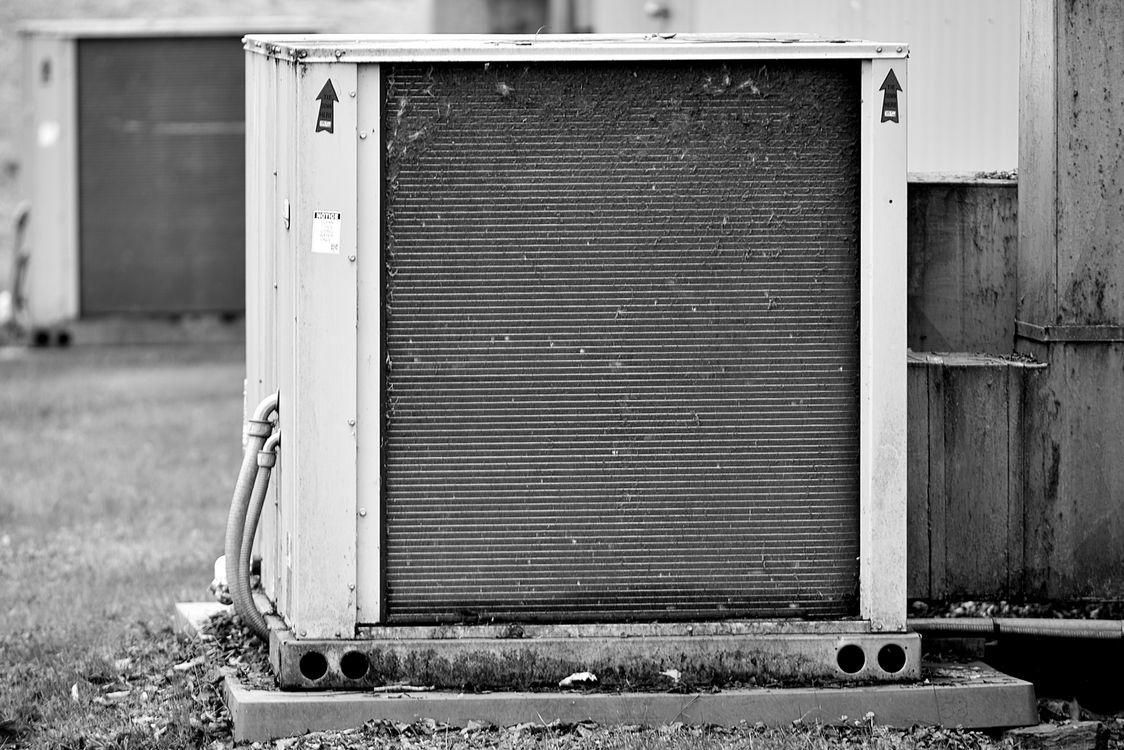
Traditional furnaces, especially older gas or oil models, generate heat through combustion. While effective, this process produces greenhouse gas emissions and relies on fossil fuels that fluctuate in price and availability. Over time, inefficiencies compound as components wear down, ducts leak air, and controls fail to regulate output accurately.
In many homes, aging furnaces run longer than necessary, cycle inefficiently, and struggle to distribute heat evenly. This leads to higher fuel consumption and increased demand for HVAC repair in Delaware during peak winter months.
From an environmental standpoint, older furnaces also rely on refrigerants and materials that no longer meet modern standards. As regulations tighten, these systems become more costly to maintain and less viable long-term.
Heat Pumps: The Backbone of Eco-Friendly HVAC
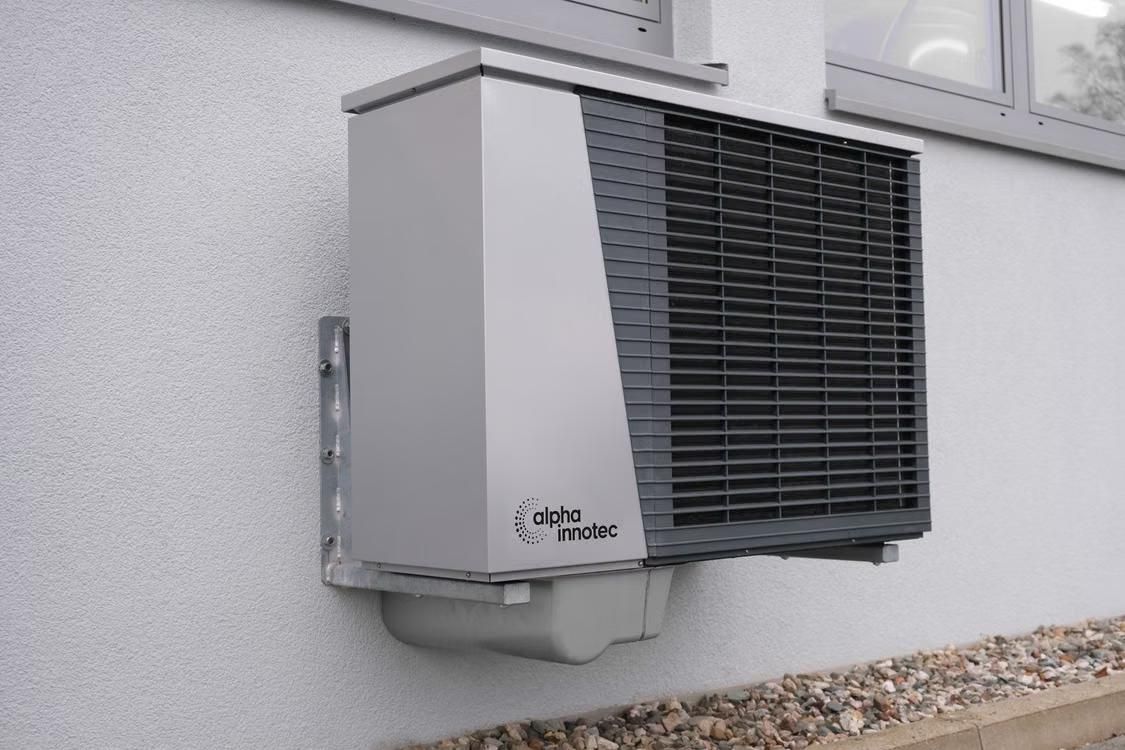
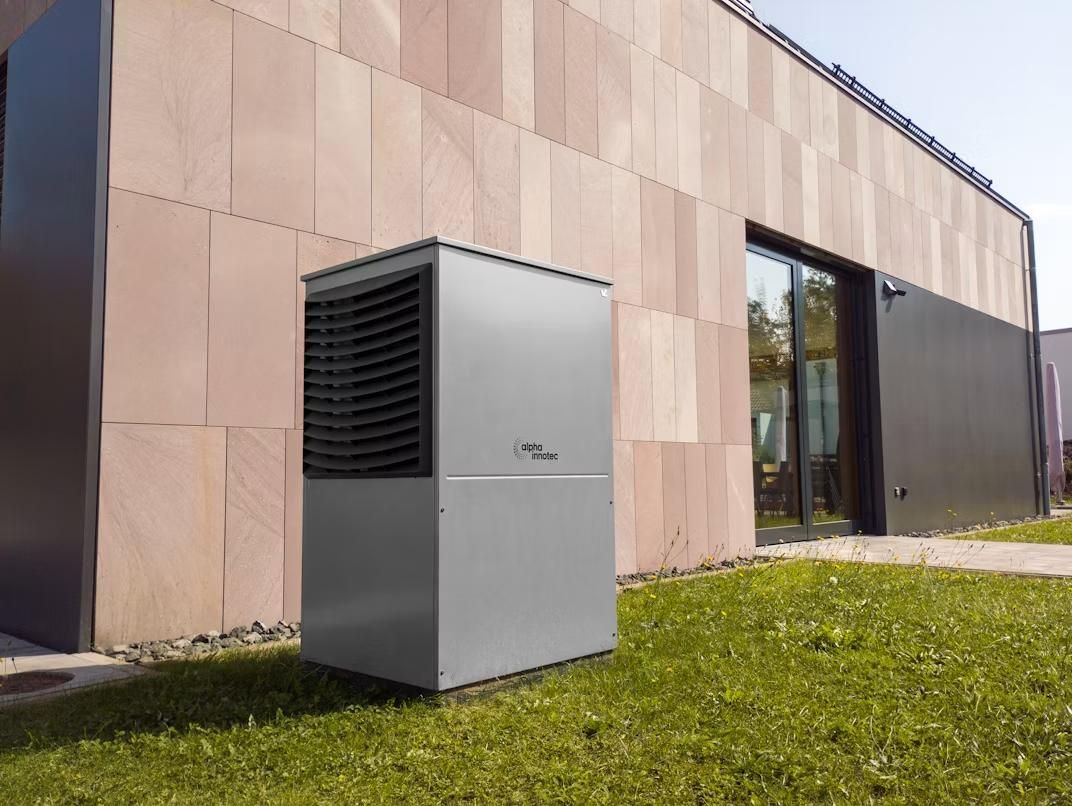
Heat pumps represent one of the most significant advancements in eco-friendly heating. Unlike furnaces, heat pumps do not generate heat through combustion. Instead, they transfer heat from one location to another, using electricity to move warmth rather than create it.
In winter, heat pumps extract thermal energy from the outdoor air or ground and deliver it indoors. Even in colder climates, modern cold-climate heat pumps operate efficiently by capturing available heat and amplifying it through advanced compressor technology.
This approach dramatically reduces energy use compared to traditional heating systems. Because heat pumps move heat rather than produce it, they deliver higher efficiency ratings and lower emissions, making them a cornerstone of eco-friendly HVAC solutions.
How Heat Pumps Perform in Cold Weather
One common misconception is that heat pumps cannot handle winter temperatures. While older models struggled in extreme cold, modern heat pumps are specifically engineered for colder climates. Variable-speed compressors, enhanced refrigerant flow, and advanced defrost cycles allow them to maintain consistent performance even during freezing conditions.
In regions like Chester County and Delaware County, heat pumps can meet the majority of heating needs while significantly reducing reliance on fossil fuels. When paired with proper insulation and airflow design, these systems provide stable indoor comfort with lower energy demand.
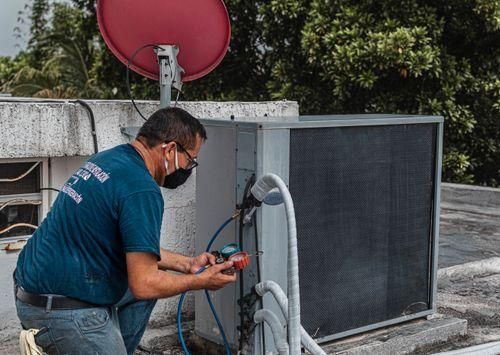
Routine HVAC maintenance service ensures heat pumps operate at peak efficiency, protecting both performance and environmental benefits.
Green Refrigerants and Their Role in Sustainable Heating
Refrigerants play a crucial role in HVAC efficiency and environmental impact. Older refrigerants contributed to ozone depletion and carried a high global warming potential. As standards evolve, manufacturers are transitioning to greener refrigerants with lower environmental impact.
New refrigerants reduce emissions, improve system efficiency, and comply with upcoming regulatory changes. These advancements support the broader goals of eco-friendly HVAC by minimizing the environmental footprint of heating and cooling systems.
For homeowners considering upgrades, working with a knowledgeable HVAC contractor ensures refrigerant choices align with both performance needs and environmental standards.

Comparing Traditional Furnaces and Eco-Friendly Heating Systems
The difference between traditional furnaces and eco-friendly systems becomes clear when evaluating energy use, emissions, and long-term costs. Furnaces rely on fuel combustion and fixed-speed operation, which leads to higher energy consumption and uneven heating.
Eco-friendly systems such as heat pumps and high-efficiency furnaces use advanced controls to modulate output based on demand. This reduces cycling, improves comfort, and lowers energy waste.
Over time, eco-friendly systems often require fewer emergency repairs and deliver more consistent performance, reducing dependence on frequent HVAC repair in Delaware and extending system lifespan.

The Financial Benefits of Going Green
While eco-friendly heating systems may carry a higher upfront cost, long-term savings often outweigh the initial investment. Lower energy consumption translates directly into reduced utility bills, especially during extended heating seasons.
Many homeowners also qualify for incentives, rebates, or financing options that offset installation costs. Energy-efficient systems tend to retain value better and increase home appeal, making them a smart investment beyond immediate savings.
Regular HVAC maintenance further enhances these financial benefits by keeping systems efficient and preventing costly breakdowns.
Energy Efficiency and Carbon Reduction Go Hand in Hand
Reducing energy consumption is one of the most effective ways to lower carbon emissions. Eco-friendly heating systems achieve this through improved heat transfer, smarter controls, and optimized airflow.
Proper duct sealing, insulation, and system sizing amplify these benefits. When heating systems operate efficiently, they require less energy to maintain comfort, resulting in measurable emission reductions.
For homeowners focused on sustainability, combining system upgrades with proactive HVAC maintenance service delivers the greatest environmental impact.
The Role of Smart Controls in Eco-Friendly HVAC
Modern heating systems integrate seamlessly with smart thermostats and automation tools. These controls learn household patterns, adjust temperatures dynamically, and reduce unnecessary heating cycles.
Smart controls also provide valuable data on system performance, allowing homeowners and technicians to identify inefficiencies early. This proactive approach supports eco-friendly goals while minimizing wear and tear on equipment.
When paired with professional HVAC services in Delaware, smart controls become a powerful tool for reducing energy use and improving comfort.
Maintenance Matters in Sustainable Heating
Even the most advanced eco-friendly system requires proper maintenance. Dirty filters, neglected components, and airflow restrictions can undermine efficiency and increase energy consumption.
Routine HVAC maintenance ensures systems operate as designed, preserving efficiency gains and environmental benefits. Maintenance also extends equipment lifespan, reducing waste associated with premature replacement.
A trusted heating company provides the expertise needed to maintain eco-friendly systems and protect long-term performance.
Choosing the Right Eco-Friendly System for Your Home
Every home has unique heating needs based on size, insulation, layout, and usage patterns. Selecting the right eco-friendly system requires careful evaluation and professional guidance.
An experienced HVAC contractor assesses these factors to recommend solutions that balance efficiency, comfort, and sustainability. Proper system sizing and installation are critical to maximizing benefits and avoiding performance issues.
Local expertise ensures recommendations align with climate conditions and regulatory requirements in Chester County and Delaware County.

The Importance of Professional Installation
Eco-friendly heating systems rely on precise installation to deliver promised efficiency. Improper setup can reduce performance, increase energy use, and shorten system lifespan.
Professional installation ensures refrigerant levels, airflow, and controls function correctly from day one. This attention to detail protects investment value and supports environmental goals.
Working with trusted providers of HVAC services in Chester County and HVAC services in Delaware gives homeowners confidence that their systems will perform as intended.
Long-Term Sustainability and Home Value
Eco-friendly heating contributes to long-term sustainability by reducing energy demand and emissions year after year. As environmental awareness grows, homes equipped with efficient systems become more attractive to buyers.
Lower operating costs, improved comfort, and compliance with evolving standards all enhance resale value. Investing in eco-friendly HVAC positions homeowners ahead of regulatory changes while supporting environmental responsibility.
Addressing Common Concerns About Eco-Friendly Heating
When homeowners first explore eco-friendly heating options, questions about reliability, performance, and cost often surface. These concerns are understandable, especially for those accustomed to traditional furnaces that have powered homes for decades. However, modern eco-friendly systems have evolved significantly, addressing earlier limitations and delivering dependable performance even during harsh winter conditions. Advances in heat pump technology, system controls, and refrigerants now allow eco-friendly systems to operate efficiently and consistently in climates like Chester County and Delaware County.
Reliability remains a top priority for homeowners, and today’s systems are designed with durability in mind. Variable-speed compressors, advanced defrost cycles, and intelligent system monitoring allow eco-friendly heating systems to adapt to changing weather conditions without excessive wear. When paired with routine HVAC maintenance service, these systems often experience fewer emergency breakdowns than older, combustion-based equipment. Maintenance ensures components stay clean, airflow remains balanced, and efficiency stays high throughout the heating season.
Cost is another common concern, particularly the upfront investment associated with eco-friendly systems. While installation costs can be higher initially, long-term operating savings often offset the difference. Lower energy consumption, reduced repair frequency, and longer system lifespan contribute to overall cost efficiency. Professional guidance plays a critical role here.
An experienced contractor helps homeowners select properly sized equipment, avoid unnecessary upgrades, and take advantage of incentives that improve affordability. Understanding how the technology works and what to expect financially allows homeowners to make confident, informed decisions.
Transitioning to Eco-Friendly Heating Without Disruption
Upgrading to eco-friendly heating does not have to be overwhelming or disruptive. With careful planning and professional coordination, homeowners can transition smoothly while maintaining comfort throughout the process. A comprehensive system assessment provides clarity on the current equipment’s condition, efficiency, and remaining lifespan. This information helps determine whether gradual improvements or full replacement makes the most sense.
Phased upgrades allow homeowners to improve efficiency over time by addressing insulation, airflow, or control systems before installing new equipment. Aligning upgrades with household budgets and seasonal needs reduces stress and avoids rushed decisions. With expert planning and ongoing HVAC maintenance service, homeowners can transition to eco-friendly heating in a way that feels manageable, cost-effective, and rewarding—delivering measurable benefits without unnecessary disruption.

Why Local Expertise Makes a Difference
Local climate knowledge, building styles, and regulatory requirements influence system performance. Choosing a local heating company ensures recommendations reflect real-world conditions and proven solutions.
Local professionals also provide faster support, reliable maintenance, and trusted guidance throughout the system’s lifespan.
The Future of Eco-Friendly HVAC
The HVAC industry continues to evolve toward greater efficiency and sustainability. Innovations in heat pump technology, refrigerants, and smart controls will further reduce environmental impact while improving comfort.
Homeowners who invest now position themselves to benefit from these advancements while reducing dependence on outdated systems.
Making the Eco-Friendly Choice with Confidence
Choosing eco-friendly heating is not just about reducing emissions. It is about creating a comfortable, efficient, and resilient home. With the right system, professional support, and proactive maintenance, homeowners can enjoy lower costs and peace of mind.
Eco-friendly HVAC represents a practical step toward sustainability that delivers real-world benefits today and into the future.
If you are ready to explore eco-friendly HVAC solutions that lower energy costs, reduce emissions, and improve winter comfort, contact Dixie Land Energy today. Our team provides expert guidance, professional installation, and reliable HVAC maintenance to help you make a smarter, greener heating choice for your home.