The Hidden Link Between HVAC Systems and Home Insurance Claims
Homeowners often think of HVAC equipment as something that simply heats or cools the home, but the truth is far more complex. Your heating and cooling systems play a major role in overall property safety, risk prevention, and long-term home protection. Problems such as frozen pipes, water leaks, furnace malfunctions, and electrical failures are among the most common causes of home insurance filings. Understanding the connection between HVAC systems and home insurance claims helps homeowners stay protected, avoid unnecessary costs, and create a safer and more efficient environment.
As a trusted HVAC contractor in Chester County, Delaware County, and parts of Montgomery County, Dixie Land Energy’s team has seen just how quickly a small maintenance issue can turn into a serious and expensive situation. From burst pipes caused by failed heating systems to fires that begin inside neglected furnaces, many of the most common insurance incidents can be prevented with consistent system care. For homeowners, knowing what risks to watch for and how to prevent them is one of the smartest ways to protect your property.
This guide explains how HVAC failures turn into insurance claims, how proper care lowers your risks, and why working with a reliable HVAC company makes a measurable difference. You will also see why our maintenance services are designed to keep homeowners safe and prevent system breakdowns long before they become emergencies.

How HVAC Breakdowns Lead to Major Insurance Claims
HVAC equipment is one of the most important mechanical systems in your home. When it fails, the consequences impact more than indoor comfort. They can trigger structural damage, electrical hazards, or water problems that require immediate repair work and often involve insurance companies. Here are the most common situations we see in Chester County, Delaware County, and Montgomery County homes.
1. Pipes That Freeze and Burst
When a heating system stops working, indoor temperatures drop rapidly during winter. Water inside pipes can freeze and expand, eventually bursting the pipe and causing flooding in basements, walls, ceilings, and floors. Insurance companies list burst pipes as one of the most frequent claims during cold months. Heating repair services are often requested after homeowners experience this exact issue.
Heating failures may be caused by:
● A clogged burner
● Loss of fuel in oil or propane systems
● Faulty thermostats
● Ignition problems
● Poor airflow in heat pumps
Routine maintenance helps these issues get caught early, preventing catastrophic damage.

2. Furnace Malfunctions That Cause Fires
A poorly maintained furnace is a major fire risk. Dust buildup, blocked vents, worn motors, cracked heat exchangers, and damaged wiring can all spark fires. Air conditioning repair services and heating repair teams commonly emphasize how maintenance prevents ignition risks, especially in older systems.
Without annual checkups, homeowners unknowingly run equipment that may be producing carbon monoxide or overheating. These situations often end with emergency calls, system replacements, or insurance involvement.
3. Clogged Condensate Lines and Water Damage
Air conditioners and high-efficiency furnaces create condensation. When the drain lines clog, water backs up and overflows into walls, ceilings, or mechanical rooms. AC repair technicians frequently find that a clogged drain line is the cause of hidden water damage.
Insurance may cover the cleanup, but not the repair of the HVAC system itself. Regular inspections keep condensate components clear and reduce the chance of expensive restoration work.

4. Mold Growth Caused by Poor HVAC Performance
If an HVAC system cannot control humidity properly, moisture builds up indoors. This leads to mold in ducts, closets, attics, and basements. Home insurance companies often classify mold as preventable, meaning claims get denied if the system was not properly maintained.
A working HVAC system keeps humidity balanced. When airflow or refrigerant levels are wrong, moisture rises and mold spreads.
5. Electrical Problems Inside HVAC Units
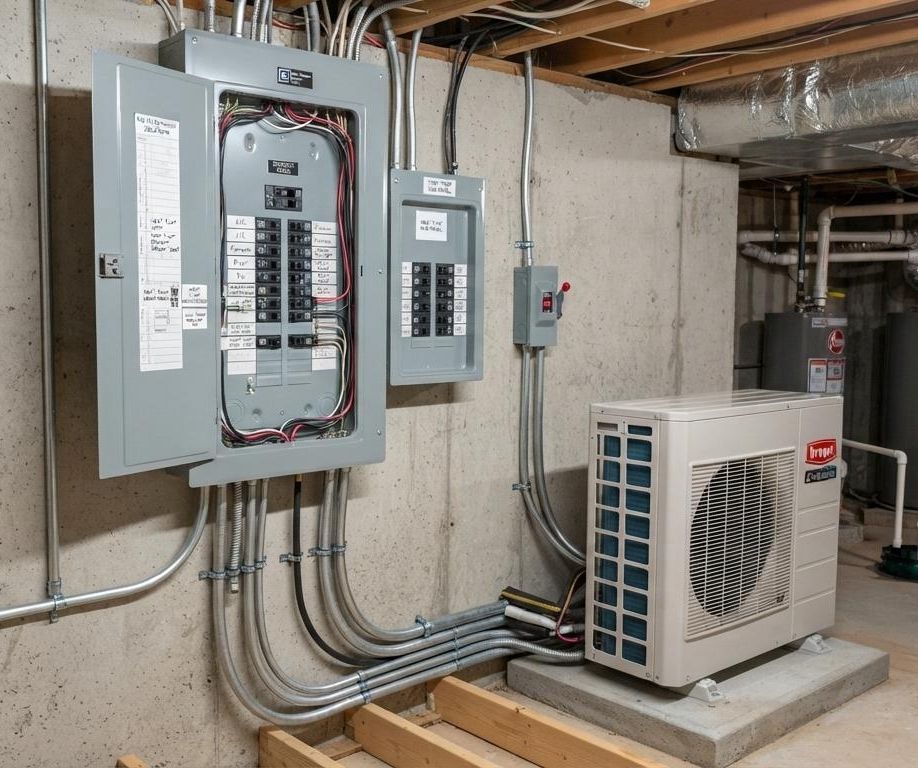
Loose wiring, aging breakers, and failing motors can cause electrical shorts. These shorts may destroy major system components or cause a fire hazard. HVAC repair service teams inspect electrical components during seasonal maintenance to avoid these outcomes.
Electrical incidents are a leading cause of home insurance claims, and many begin with neglected HVAC equipment.
6. Roof and Duct Damage Caused by Ice Dams
In winter, heat escaping through poorly insulated ducts or malfunctioning heating systems melts roof snow. Refreezing creates ice dams, which cause roof leaks. Homeowners often file insurance claims for ceiling stains, dripping water, and attic damage. HVAC maintenance professionals help prevent this by identifying airflow or insulation issues early.

Why Insurance Companies Expect Regular HVAC Maintenance
Most homeowners do not realize that insurance companies expect HVAC systems to be properly maintained. When a claim is filed, adjusters often check maintenance history. If neglect is found, the claim may be reduced or denied.
Insurance companies expect the following:
1. Annual Heating and Cooling Tune Ups
Having documentation from an HVAC repair service provider proves that your system was inspected and cared for. This shows you took reasonable steps to prevent issues.
2. Immediate Action When Problems Appear
Ignoring strange odors, noises, or a lack of heat can be considered negligence. AC installation technicians often find that homeowners wait too long before requesting service.
3. Fuel Systems That Are Safely Maintained
For oil and propane heating systems, insurance carriers may request proof of:
● Clean filter changes
● Fuel quality checks
● Proper ventilation
● Safe tank conditions
Heating installation professionals help homeowners maintain compliance.

4. Proper Airflow and Ventilation
Blocked vents, clogged filters, and poor ductwork design put strain on HVAC systems. When this leads to damage, insurers may argue the problem could have been avoided. HVAC maintenance service providers keep systems running safely.
5. Code Compliance for New Equipment Installations
Installing new equipment with an inexperienced contractor can void warranties and affect insurance coverage. Working with licensed teams for AC installation or heating installation ensures work is done to code.

The Insurance Challenges Tied to DIY Repairs
While many homeowners enjoy taking on small repairs themselves, HVAC systems are not ideal DIY projects. Modern heating and cooling equipment relies on calibrated components, special tools, and proper diagnostics. When a do-it-yourself repair creates further damage, insurance adjusters often deny parts of a claim due to improper work. This becomes even more complicated if electrical issues or refrigerant mishandling lead to safety hazards. Professional HVAC repair services ensure your equipment receives the right care, protecting both your home and your insurance standing. Certified technicians also maintain accurate service records that show a documented history of proper upkeep, which can work in your favor if a claim ever arises.
How Aging Systems Increase Claim Probability
Aging HVAC equipment is common in many homes across Chester County, Delaware County, and parts of Montgomery County, but older systems carry a significantly higher risk. Components wear down, wiring becomes brittle, and efficiency drops over time. When a furnace or air conditioner begins to fail, homeowners may face water leaks, electrical shorts, or overheating. Insurance companies frequently assess whether the breakdown resulted from normal wear, lack of maintenance, or an avoidable issue. Routine inspections from trusted HVAC services homeowners rely on can identify warning signs early. Replacing an aging system before failure helps avoid the larger problem of a denied claim or major home damage.
Why Seasonal Start-Up Checks Matter for Insurance
Seasonal startup checks are one of the most effective ways to reduce the risk of insurance-related problems. Before summer begins, a cooling system should be inspected for refrigerant levels, blower performance, thermostat accuracy, and drainage. Before winter, furnaces, boilers, and heat pumps should be checked for gas pressure, ignition reliability, heat exchanger safety, and proper ventilation. Homeowners who skip these inspections often discover issues when the weather is at its worst, which is also when equipment failure causes the greatest damage. Reliable HVAC maintenance service gives homeowners peace of mind and reduces the likelihood of moisture, freezing, or fire-related claims.

Why HVAC Maintenance Reduces Insurance Risks
Homeowners often underestimate how much damage can occur when HVAC systems fail. Preventive care dramatically lowers the chance of an insurance claim by keeping equipment running correctly.
Regular Maintenance Prevents Frozen Pipes
Heating tune-ups include checking burners, ventilation, thermostats, sensors, and fuel supply. When everything operates properly, indoor temperatures remain stable and pipes stay safe.
Clean HVAC Systems Reduce Fire Hazards
Removing dust, tightening electrical connections, and checking heat exchangers prevent overheating and ignition issues. This lowers the risk of furnace-related fires.
Drain Line Cleaning Prevents Water Damage
Clogged drain pans and lines cause water to overflow. During AC maintenance, technicians flush these lines and ensure proper drainage.
Refrigerant Checks Reduce Moisture and Mold
Low refrigerant creates humidity issues. Air conditioning repair services verify levels and correct them before moisture problems develop.
Motor and Fan Inspections Prevent Breakdowns
Worn motors can seize unexpectedly. When this happens during extreme weather, the home can suffer temperature instability, leading to structural problems. Maintenance catches these failures early.
Fuel-Based System Inspections Prevent Dangerous Leaks
Oil and propane systems require specific inspections to ensure safety. A small leak can escalate quickly, causing structural damage or fire hazards.
The Role of Documentation in Faster Claim Approvals
Insurance companies value clear documentation. When homeowners keep complete service histories, receipts, maintenance logs, and repair notes from licensed AC installation services in Delaware or heating repair technicians in Maryland, claim approvals tend to move faster. Proper HVAC records demonstrate responsible ownership, confirm the system was serviced by qualified technicians, and help adjusters verify the cause of damage. Homeowners who use a trusted HVAC contractor in Rising Sun, Maryland, gain the advantage of consistent record-keeping. This makes it easier to demonstrate that a furnace failure, AC leak, or ventilation problem occurred despite proper maintenance and was not due to neglect.
What Homeowners Should Look For in a Reliable HVAC Provider
When choosing an HVAC contractor or seeking HVAC services, homeowners should look for reliability, experience, and consistency. A strong provider offers:
● Licensed and certified master HVAC technicians
● Fast response times
● Service plans that protect the equipment
● Clear pricing with no surprises
● Knowledge of all major brands
● Residential and light commercial expertise
● Full heating and cooling solutions
As an HVAC company homeowners trust, Dixie Land Energy is committed to providing safe and effective service that prevents expensive failures and protects your home year after year.
Simple Steps Homeowners Can Take to Reduce Insurance Risks
Even small habits can greatly reduce the risk of HVAC-related damage.
Replace Filters Regularly
Airflow improves efficiency and prevents system strain. Filters should be replaced every 30 to 90 days.
Keep Outdoor Units Clear
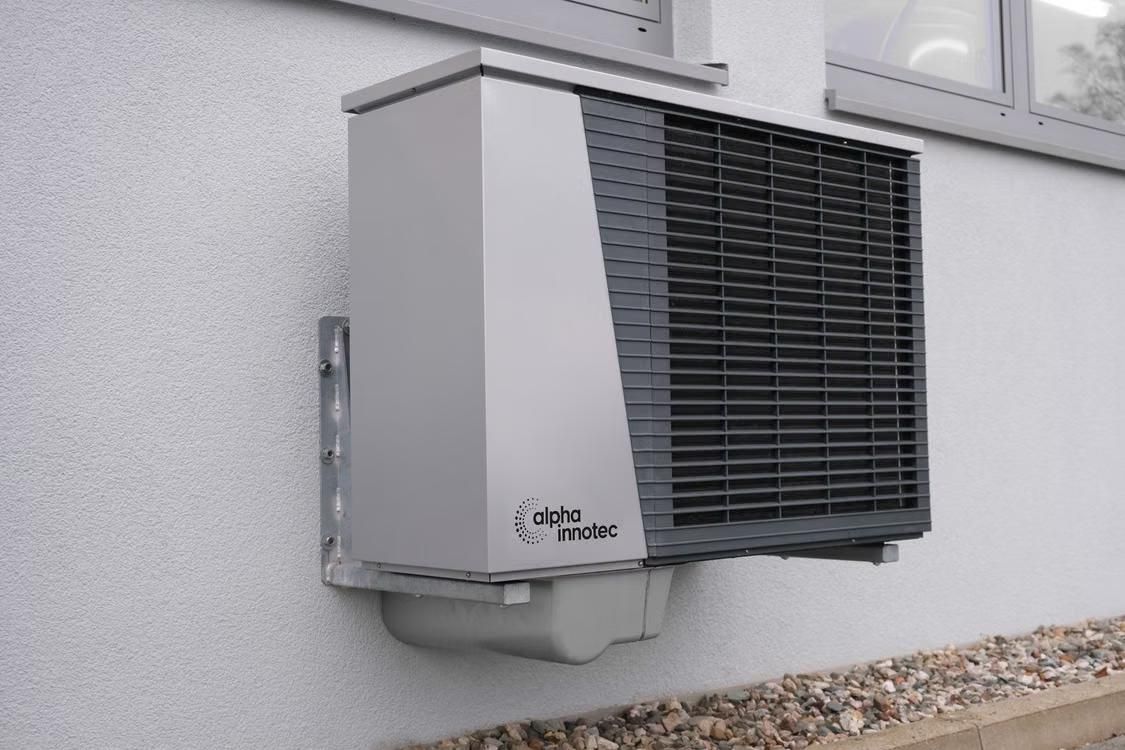
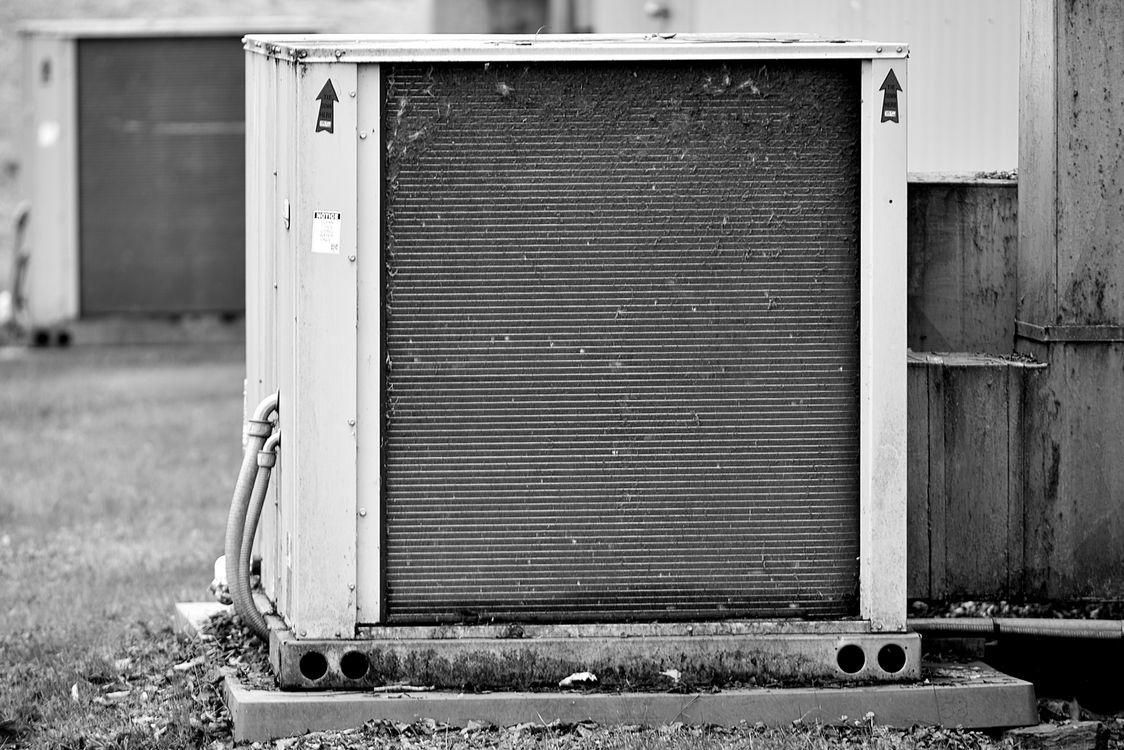
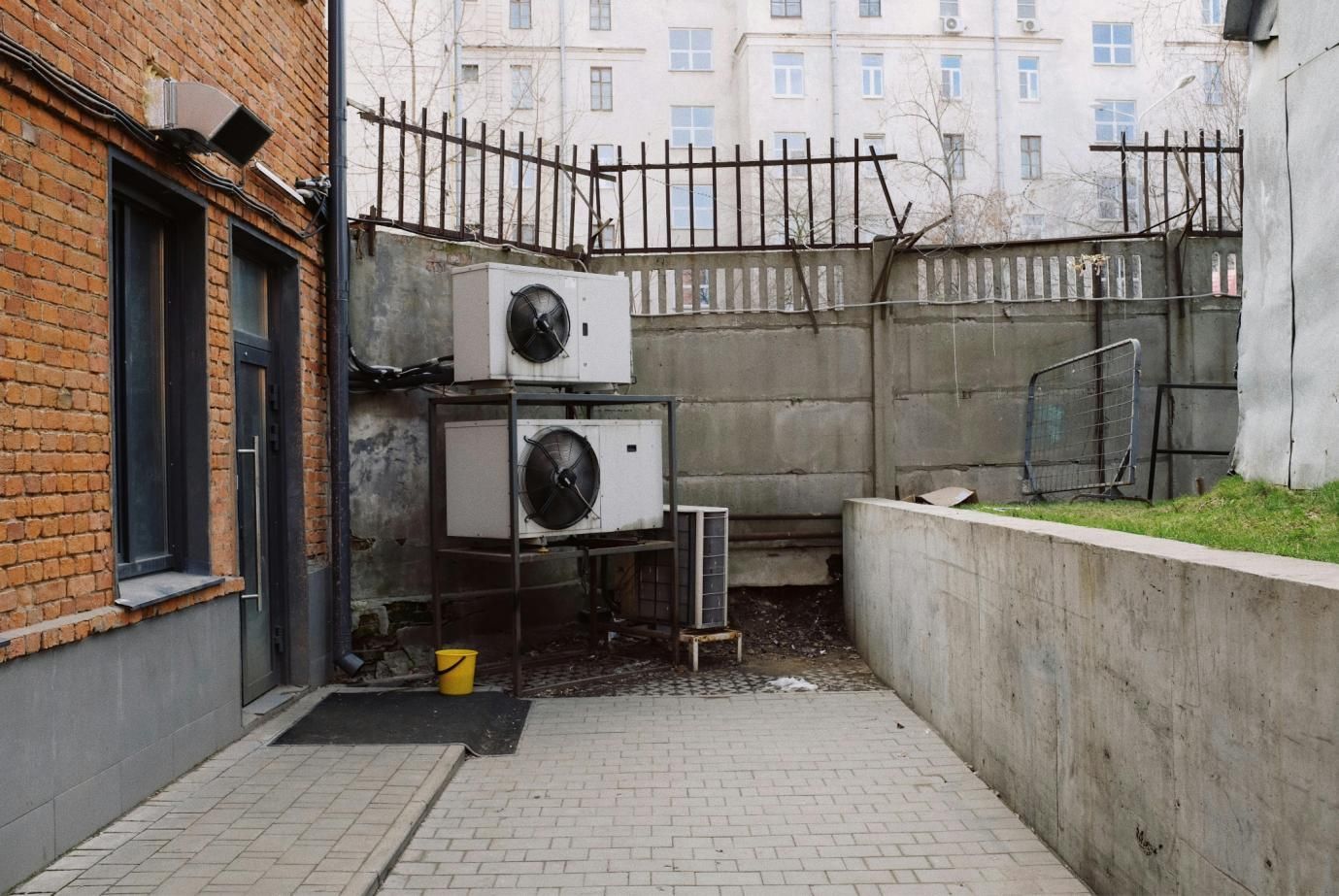
Remove debris, brush, or snow so the unit can operate correctly.
Check for Unusual Noises or Smells
These indicate early warning signs. If anything seems off, schedule HVAC repair service immediately.
Avoid DIY Repairs
HVAC systems are complex. Incorrect fixes can cause more damage or void insurance coverage.
Invest in an Annual Maintenance Plan
A service plan keeps your system healthy and protects your home from surprise failures. It also provides priority scheduling and consistent checkups.
The Homeowner Advantage of Working With Our HVAC Team
For more than 25 years, our team at Dixie Land Energy has delivered trusted HVAC services to homeowners in Chester County, Delaware County, and parts of Montgomery County. Our focus is on providing fast, reliable service to our local communities.
We offer professional HVAC services, including installation, repair, and maintenance. Our experience, training, and dedication to quality help homeowners avoid breakdowns and protect their homes from preventable insurance claims.
A Safer Home Starts With a Reliable HVAC System
A well-maintained HVAC system does more than keep you comfortable. It prevents floods, fires, mold growth, water damage, and frozen pipes. By understanding the link between HVAC systems and home insurance claims, homeowners gain the knowledge they need to make smarter decisions and protect their properties.
How We Can Help You Stay Protected
Our team offers full heating and cooling maintenance, expert system repairs, and professional installations designed to keep your home safe and efficient. We believe in honest service, clear communication, and dependable results. When you choose our HVAC services, you are choosing a team committed to protecting your home and supporting long-term comfort.
If you are ready to reduce risks, improve system performance, and keep your home protected, contact us today to schedule your HVAC maintenance. We are here to help you stay safe, comfortable, and confident in every season!