Troubleshooting Tips for HVAC Appliances: Ask These Questions Before You DIY a Repair

Why should you ignore HVAC troubleshooting tips you've seen online and call a professional? You've probably seen more than a few posts, blogs, articles, and videos that provide supposed top tips or easy how to's. But are you unsure if you should give these quick HVAC fixes a try? Before you delve deep into the world of DIY, take a look at what you need to know about troubleshooting an HVAC appliance.
Does the Troubleshooting Tutorial Look Too Good To Be True?
The two-minute clip that shows a regular person (supposedly like yourself) quickly inspecting, diagnosing, and fixing their home's furnace or central air conditioner system looks easy—too easy. A quality HVAC inspection and system diagnosis doesn't have a universal minimum time limit. But a few short minutes is not likely to give you the information necessary to fix the heating or cooling appliance.
Who Made the Troubleshooting Tutorial?
Anyone can post a tutorial or how-to video on the Internet. Don't assume that the author or the person featured in the clip is an expert just because they make claims or wear something that looks like a technician's uniform.
If you don't know where the troubleshooting tips came from, whether the person you're watching has real experience, or whether the clips are more of an advertisement than a helpful how-to, talk to a professional contractor who has an established business in your local area.
Do You Feel Safe Troubleshooting Your Own HVAC Appliance?
Unless you have specialized HVAC knowledge gained through years of hands-on training and classroom experiences, the answer to this question is likely no. HVAC appliances are complex pieces of machinery that are safe to use when they work properly and are installed by or serviced by knowledgeable professionals.
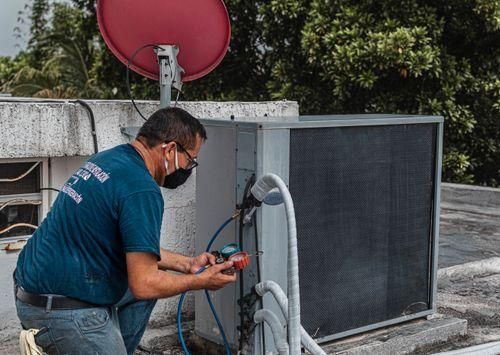
A novice's DIY attempt at troubleshooting or repairing a furnace, boiler, or AC system could have risky side effects. These include (but aren't limited to) an electric shock risk, electrical burns, fires, natural gas leaks, or carbon monoxide leaks. Instead of putting yourself, your household members, or even your neighbors in potential jeopardy, hire a professional to evaluate and fix your damaged, worn, or failing HVAC system and components.
Will DIY Troubleshooting Help Your HVAC System To Work Efficiently?
Like safety, efficiency depends on the experience and knowledge of the person who will fix the HVAC system. Home heating use accounts for nearly 29 percent of the average homeowner's utility costs and air conditioners cost Americans a collective $29 billion to use each year, according to the U.S. Department of Energy.
If you want to cut your heating and cooling costs, a DIY troubleshooting approach is not the way to go. While you can take simple steps to improve efficiency, such as changing the air filter, a new appliance installation, energy-saving repairs, a thermostat replacement, deep system cleaning, or debris removal are jobs for a professional.
Not only could these DIY HVAC services damage your heater or air conditioner, the wrong fix or an improper cleaning technique could slow the system down. This forces your furnace or AC unit to work harder to heat or cool your home. The result of the added work is increased energy use—and higher utility costs.
The U.S. Department of Energy notes that the right heating upgrades and insulation can save a homeowner up to 30 percent on their energy bill and a switch from an older AC system to a new high-efficiency air conditioner could cut costs by 20 to 50 percent. To maximize the efficiency of your system, talk to a professional. An HVAC contractor can troubleshoot your appliance and suggest either repairs or replacements to correct energy overuse.
Do you need an HVAC repair, maintenance service, or installation? Contact Dixie Land Energy for more information.