2026 HVAC Standards: What New Regulations Mean for Your Home
The HVAC industry stands at the edge of one of its most significant transitions in decades. As energy efficiency targets tighten and environmental regulations evolve, the 2026 HVAC standard will reshape how homeowners heat and cool their homes. For many households, especially those relying on older systems, these changes will not feel abstract or optional. They will affect system availability, repair costs, operating efficiency, and long-term comfort.
Homeowners who understand what is coming can plan strategically, avoid rushed decisions, and turn regulatory change into an opportunity. Those who wait may face higher costs, fewer equipment options, and unexpected disruptions. As HVAC professionals who work daily with homeowners across the region, we see firsthand how preparation makes all the difference.
This guide explains what the 2026 standards actually mean, how they affect existing and future systems, and why acting sooner often delivers better value than waiting until compliance becomes mandatory.

Understanding the 2026 HVAC Standard
The 2026 HVAC standard represents a coordinated shift toward higher energy efficiency and lower environmental impact across residential heating and cooling systems. Federal agencies and manufacturers have worked for years to establish new benchmarks that reduce energy consumption, limit greenhouse gas emissions, and phase out older refrigerants that no longer meet environmental requirements.
These regulations do not exist in isolation. They build on previous efficiency upgrades but introduce more aggressive requirements for system performance, refrigerant use, and installation practices. For homeowners, this means that systems installed before 2026 may not align with new expectations for efficiency or sustainability.
While older systems may continue operating, they will increasingly fall behind in performance, cost efficiency, and compatibility with replacement parts. The standard does not force immediate replacement, but it changes the economic reality of keeping outdated equipment running.

Why Older HVAC Systems Will Feel the Impact First
Many homeowners assume that regulations only matter when buying new equipment. In practice, older systems feel the effects much sooner. As manufacturers shift production toward compliant equipment, they also reduce support for outdated models. Replacement parts become harder to source, service costs rise, and efficiency gaps widen.
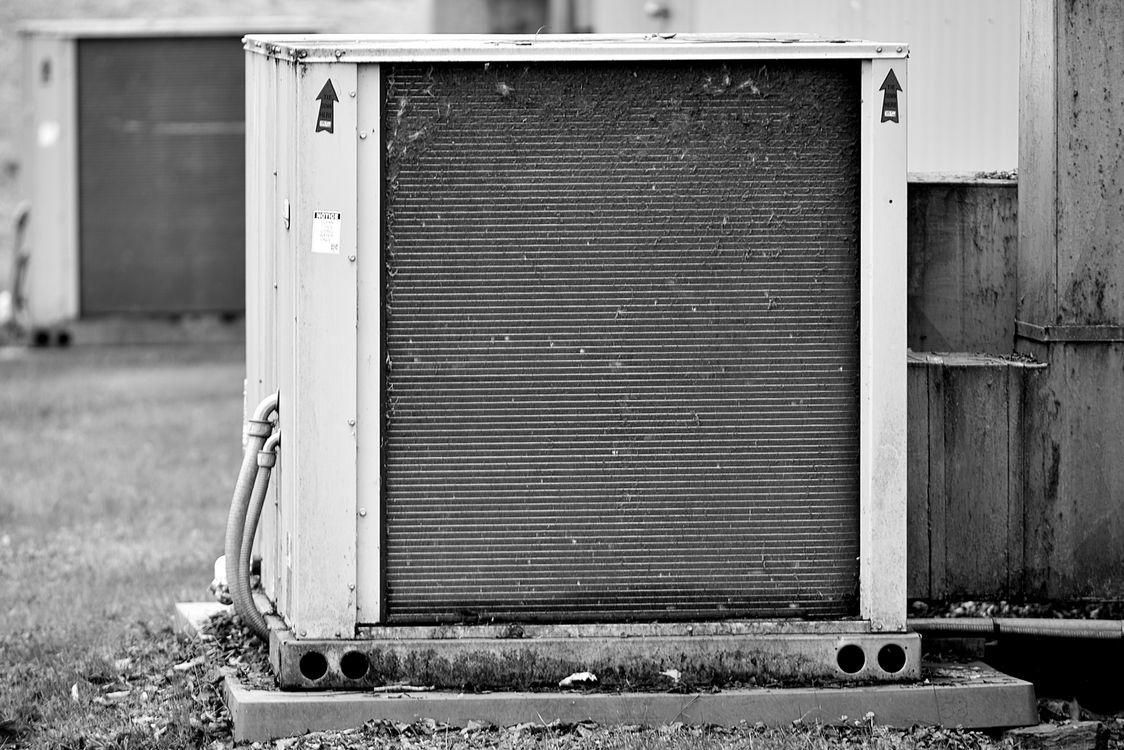
Homes relying on aging equipment often experience higher energy bills long before the system fails outright. Increased runtime, inconsistent temperatures, and declining airflow all signal inefficiency that newer systems avoid. These issues become more noticeable as energy prices rise and efficiency standards advance.
For homeowners seeking HVAC services in Chester County or HVAC services in Delaware, this transition matters because local climate demands reliable heating performance throughout winter. An outdated system may still function, but it often does so at a much higher cost and with a greater risk of failure during peak demand.
Efficiency Requirements Are Rising Across the Board
One of the most impactful elements of the 2026 standard involves stricter efficiency metrics for residential HVAC equipment. New systems must deliver more output while consuming less energy. This shift reflects growing awareness that inefficient systems strain household budgets and regional energy infrastructure.
Higher efficiency does more than reduce monthly bills. It improves temperature consistency, lowers wear on components, and extends system lifespan. Modern systems adapt better to fluctuating outdoor temperatures, providing steady comfort without constant cycling.
Homeowners who schedule proactive HVAC maintenance service often discover that even well-maintained older systems struggle to meet modern efficiency expectations. The gap between legacy equipment and compliant systems continues to widen, making upgrades increasingly attractive from both comfort and cost perspectives.

Refrigerant Changes and What They Mean for Homeowners
Another critical component of the 2026 HVAC standard involves refrigerant regulations. Older refrigerants that contribute to environmental harm face phase-outs or restricted availability. Newer refrigerants deliver lower environmental impact and improved efficiency, but they also require compatible equipment.
For homeowners, this change matters because refrigerant availability directly affects repair costs. Systems designed for phased-out refrigerants become expensive to service, and in some cases, impractical to repair. A routine service call can turn into a costly decision point when refrigerant access becomes limited.
Homeowners seeking HVAC repair in Delaware often encounter this issue when technicians must explain why a simple repair costs more than expected. At that point, replacing the system with a compliant model often proves more cost-effective than continuing repairs.
Why Waiting Can Cost More Than Upgrading Early
Many homeowners delay upgrades to avoid upfront costs. However, waiting until regulations fully take effect often leads to higher expenses overall. As demand for compliant systems rises, installation schedules fill quickly, pricing becomes less flexible, and available equipment options narrow.
Upgrading before the transition accelerates allows homeowners to choose from a wider range of systems, take advantage of existing incentives, and avoid emergency replacements. Early upgrades also provide immediate savings through improved efficiency, offsetting installation costs over time.
For families relying on consistent winter heating, delaying replacement increases the risk of system failure during peak season. Emergency replacements rarely offer the same value or flexibility as planned upgrades.
Choosing a Compliant System That Delivers Long-Term Value
Selecting the right system under the new standards requires more than choosing the highest efficiency rating. Home size, insulation quality, duct design, and usage patterns all influence performance. A knowledgeable HVAC contractor evaluates these factors to ensure the system delivers real-world efficiency rather than theoretical savings.
Modern compliant systems also integrate advanced controls, variable-speed operation, and improved diagnostics. These features enhance comfort while simplifying future HVAC maintenance. Homeowners gain better control over indoor temperatures and experience fewer breakdowns over the system’s lifespan.
Working with a trusted heating company ensures the installation meets both regulatory requirements and practical performance expectations. Proper sizing and setup remain critical, regardless of efficiency ratings.

How Maintenance Plays a Bigger Role Under New Standards
As systems become more advanced, maintenance grows even more important. High-efficiency equipment relies on precise airflow, clean components, and calibrated controls. Neglecting maintenance reduces efficiency gains and shortens system lifespan.
Routine HVAC maintenance service keeps compliant systems operating at peak performance. It also protects warranty coverage and ensures continued compliance with evolving standards. Homeowners who commit to regular service enjoy better reliability and lower long-term costs.
Even homeowners not ready to upgrade can benefit from maintenance evaluations that identify inefficiencies and plan for future replacement. Preparation reduces stress when the time comes to upgrade.
The Local Impact in Chester and Delaware Counties
Regional climate conditions amplify the importance of compliance. Homes in areas with cold winters place heavy demands on heating systems. Inefficient equipment not only raises energy bills but also struggles to maintain comfort during extreme weather.
Homeowners relying on HVAC services in Delaware or Chester County benefit from working with professionals who understand regional building styles and climate challenges. Older homes, in particular, require thoughtful system selection to meet modern standards without sacrificing comfort.
Local expertise matters because compliance extends beyond equipment choice. Installation quality determines whether a system truly meets efficiency expectations under real-world conditions.
Preparing Your Home for the Transition
Preparing for upcoming HVAC changes starts with understanding what you already have in place. Homeowners should first evaluate their current system’s age, efficiency rating, and refrigerant type. Systems older than ten to fifteen years often struggle to meet modern efficiency expectations, even when they appear to run reliably. Scheduling a professional system assessment provides clear insight into whether continued repairs make financial sense or if replacement offers better long-term value. This evaluation removes guesswork and allows homeowners to make decisions based on performance data rather than emergency situations.
Beyond the HVAC unit itself, a home’s overall energy performance plays a major role in how well a compliant system operates. Upgrading insulation, sealing ductwork, and improving airflow dramatically enhance heating efficiency. Poorly sealed ducts can leak a significant amount of heated air into unconditioned spaces, forcing the system to work harder and longer. Addressing these issues allows modern systems to operate as designed, delivering consistent comfort while reducing energy consumption.
Airflow improvements also make a noticeable difference. Blocked returns, undersized duct runs, or outdated distribution layouts reduce efficiency and strain components. Correcting airflow issues before upgrading ensures that new equipment delivers measurable benefits rather than compensating for underlying problems. When homeowners pair system upgrades with envelope improvements, they maximize efficiency gains and extend equipment lifespan.
Taking a proactive approach to preparation prevents rushed decisions during peak heating season. Emergency replacements limit equipment availability and often lead to compromises on system selection or scheduling. Planning upgrades in advance allows homeowners to align improvements with household budgets, seasonal incentives, and long-term comfort goals. Preparation also provides peace of mind, knowing the home is ready for evolving standards without unnecessary stress.
Why Expertise Matters More Than Ever
As HVAC regulations become more complex, professional expertise carries greater weight than ever before. Working with an experienced HVAC contractor ensures homeowners receive accurate guidance on compliance, efficiency, and system compatibility. The wrong system choice, improper sizing, or flawed installation can undermine efficiency gains and lead to performance issues that persist for years.
A knowledgeable contractor stays current with changing efficiency standards, refrigerant regulations, and manufacturer requirements. This ongoing education allows them to recommend systems that meet present needs while remaining adaptable to future updates. Expertise also ensures installations meet technical specifications that protect warranties and prevent compliance issues.
Professional contractors do more than install equipment. They evaluate home layout, insulation levels, duct performance, and usage patterns to design systems that function efficiently under real-world conditions. This holistic approach prevents overworked systems, uneven heating, and unnecessary wear. It also reduces the likelihood of expensive callbacks or premature repairs.
Choosing the right partner ultimately matters as much as choosing the right equipment. A trusted HVAC professional provides clarity, transparency, and long-term support rather than quick fixes. With expert guidance, homeowners gain confidence that their investment delivers lasting comfort, energy savings, and compliance well into the future.
The Bottom Line on the 2026 HVAC Standard
The 2026 HVAC standard represents a turning point for residential heating and cooling. While change often feels disruptive, it also creates opportunities for improved comfort, lower operating costs, and smarter energy use.
Homeowners who act early benefit from better system selection, smoother installations, and immediate efficiency gains. Those who wait risk higher costs, limited options, and unnecessary stress during peak seasons.
Understanding what lies ahead empowers homeowners to make confident decisions that protect both comfort and finances.
Take the Next Step with Dixie Land Energy
If you want clarity about how the 2026 HVAC standard affects your home, now is the time to act. We evaluate your existing system, explain your options clearly, and help you plan an upgrade that makes sense for your home and budget. Whether you need expert HVAC maintenance, long-term planning, or a full system replacement, we guide you through every step with honesty and expertise.
Contact Dixie Land Energy today and let us help you prepare your home for the future of HVAC with confidence.