What Rising Energy Prices Mean for Your HVAC System in Chester and Delaware Counties
Energy costs are climbing faster than at any point in the last decade, and homeowners across Chester and Delaware Counties are feeling the impact every month. As rising energy prices affect heating and cooling habits, HVAC efficiency is no longer something you upgrade “when you get to it.” It has become a financial necessity. Every hour your HVAC system runs inefficiently is money leaving your home, and many homeowners are starting to ask the same questions:
· Is upgrading worth it now?
· Can maintenance really reduce the impact of rising energy costs?
· Do older systems waste more energy than I realize?
The answer to all three is yes — and understanding how energy rate increases affect your HVAC system is the first step toward protecting your comfort and your budget.
This in-depth guide breaks down how rising energy prices influence performance, which HVAC upgrades offer the best return on investment, and what homeowners in Chester and Delaware Counties can do today to reduce monthly expenses without sacrificing comfort.

Why Rising Energy Prices Hit HVAC Systems Hardest
Heating and cooling typically account for 45% to 60% of a home’s total energy use, giving them the highest operating cost of any household system. When electricity, natural gas, or fuel prices increase, HVAC expenses increase instantly.
For homeowners using electric heat pumps, central air conditioning, or ducted systems, the increase is even more noticeable because these systems cycle continuously during peak season. And if your HVAC unit is older, poorly maintained, or improperly sized, rising energy prices magnify every inefficiency.
In Chester and Delaware Counties — where summers are increasingly humid and winters fluctuate between freezing temperatures and unexpected warm spells — HVAC systems run harder than ever, making energy-efficient operation critical.
Older Systems Waste More Energy as Prices Rise
Aging HVAC systems don’t just decline slowly; they become more expensive to operate each year. Components wear down, motors lose efficiency, and refrigerant levels fluctuate. That means older systems require more energy to produce the same amount of heating or cooling they did years ago.
When you combine aging technology with rising energy prices, homeowners end up in a costly cycle of higher bills and more frequent repairs.
An older system may also short-cycle or struggle to maintain temperature consistency, which leads to uneven comfort and ongoing spikes in utility costs. In both Chester and Delaware Counties, where many homes were built decades ago, the desire to preserve older systems often backfires financially.

The Impact of Rising Energy Prices on Maryland and Delaware HVAC Usage
Because local weather patterns have become increasingly unpredictable, HVAC systems are operating more hours per year than they used to. More operational hours equal higher utility bills — and when combined with market-wide increases in energy costs, the total cost of ownership rises quickly.
High humidity levels often push air conditioners to run longer cycles, while sudden cold fronts force heating systems to work harder. Rising energy prices make every one of these spikes more expensive.
This is why many homeowners in Chester and Delaware Counties are turning to HVAC maintenance, system upgrades, and efficient replacements as a long-term financial strategy, rather than just a comfort decision.

Maintenance: Your First Line of Defense Against Rising Energy Prices
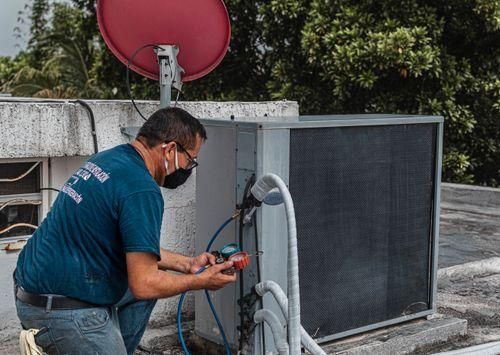
Routine care is the most underestimated tool for controlling HVAC-related energy costs. Homeowners who schedule regular HVAC maintenance service often see measurable improvements in system performance within a single season.
Maintenance reduces energy waste by ensuring:
· Airflow remains unrestricted
· Coils stay clean
· Motors run smoothly
· Refrigerant levels remain correct
· Thermostat communication stays accurate
When a system can run efficiently, it doesn’t have to consume more electricity to overcome preventable issues.
Homeowners who skip maintenance often pay significantly more in utilities — sometimes as much as 20% to 30% more during peak months. That extra cost is amplified during periods of rising energy prices, making annual or seasonal maintenance a practical, cost-saving necessity.

Improper System Sizing Makes Rising Energy Prices Even Worse
Many homeowners don’t realize that an HVAC system’s size plays a massive role in long-term energy expenses.
· Oversized systems produce short, inefficient heating and cooling cycles, wasting energy and wearing out components faster.
· Undersized systems must run constantly, spending more energy while still struggling to maintain stable temperatures.
Both scenarios lead to higher bills — especially when energy prices rise.
Professional load calculations from a certified HVAC contractor are essential. This ensures the system matches your home’s size, insulation level, layout, and sun exposure. Chester and Delaware County homes, many of which were built long before modern insulation standards, particularly benefit from proper HVAC sizing.

Why High-Efficiency Systems Are a Smart Response to Rising Energy Prices
When homeowners talk about “efficiency,” they often think of eco-friendly goals. But the financial benefits are even more compelling.
High-efficiency systems reduce energy usage dramatically by:
· Running smoother and longer instead of short-cycling
· Using variable-speed motors
· Adapting to real-time heating and cooling loads
· Maintaining stable temperatures without spikes in consumption
With rising energy prices, every saved kilowatt-hour matters.
Homeowners in Chester and Delaware Counties often see:
· Lower monthly bills
· Faster recovery from extreme temperatures
· Fewer repairs
· Longer system life
· Better comfort and humidity control
By choosing efficient systems during heating installation in Delaware, AC upgrades, or replacement projects, homeowners protect themselves from sudden rate increases.
Ductless Systems Offer Better Control During High Energy-Cost Seasons
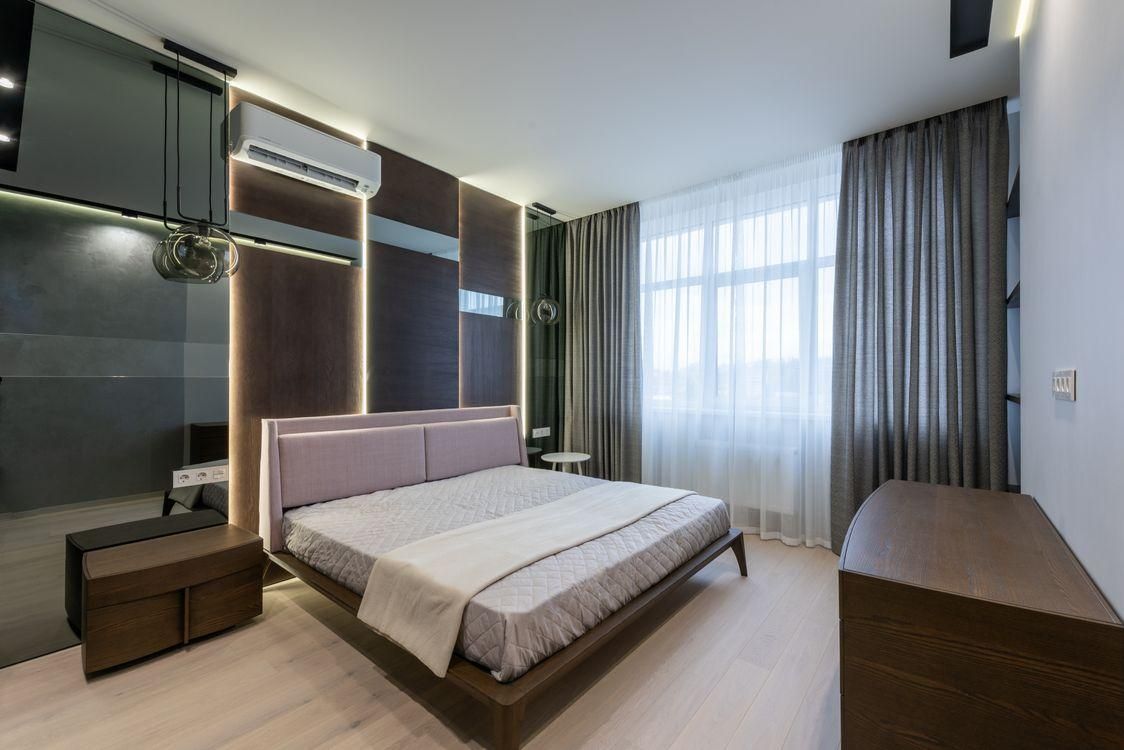
Homes without ductwork — common in parts of Chester and Delaware Counties — can especially struggle with maintaining energy efficiency. Ductless mini-splits allow homeowners to heat or cool specific rooms rather than running whole-house systems unnecessarily.
This targeted approach helps combat rising energy prices by reducing waste and allowing homeowners to adjust to their actual usage patterns.
Ductless units also support zoning, giving each room its own thermostat. As utility costs rise, zoning becomes one of the smartest strategies for keeping bills predictable.
Smart Thermostats Help Counteract Rising Energy Prices
Smart thermostats have become essential tools for energy-conscious homeowners. By learning usage patterns and adjusting automatically, they eliminate unnecessary runtime — one of the biggest contributors to high HVAC costs.
For example:
· They reduce heating output when no one is home.
· They pre-heat or pre-cool the home during low-cost energy hours.
· They prevent over-cooling or overheating due to user error.
In Chester and Delaware Counties, where many homeowners have variable work schedules, smart thermostats help align system usage with daily routines.
Airflow Issues Become More Costly When Energy Prices Rise
Clogged ducts, blocked vents, leaks, and improper airflow reduce system efficiency and increase energy consumption. Even a 10% airflow restriction can increase energy use significantly.
Homes in older counties like Chester and Delaware often have aging ducts that leak conditioned air into walls, attics, and crawl spaces. When rising energy prices make every wasted degree more expensive, fixing airflow issues becomes a highly cost-effective move.
Rising Energy Prices Make Repairs More Frequent — and Expensive
When rising energy prices push homeowners to run their heating and cooling systems longer and harder, the result is predictable: components begin to wear out at a much faster rate. HVAC equipment is engineered to operate within specific limits, and once a system must compensate for energy loss, fluctuating temperatures, or poor airflow, the strain accelerates internal damage. This leads to a noticeable uptick in mid-season breakdowns, often at the worst possible time.
Many of the most common failures directly correlate with heavy system usage. Compressor breakdowns are among the most expensive, often triggered when the system struggles to maintain cooling or heating under high demand. Blower motor burnout can happen when airflow is restricted or when aging parts can’t keep up with extended run times. Capacitor failures tend to increase during temperature extremes as they work overtime to start and support major components. Heat exchanger cracks are especially dangerous, often resulting from overheating or improper airflow—and they can force a full system replacement.
As energy prices continue climbing, homeowners often delay service calls to avoid repair bills, not realizing that small issues quickly escalate into major failures. That’s why partnering with a trusted heating company or experienced HVAC contractor becomes an essential step in protecting your home budget. Professional technicians can identify early warning signs, prevent premature equipment failure, and ensure your HVAC system isn’t pushed beyond its limits during high-cost seasons. Preventative maintenance not only reduces the frequency of breakdowns—it significantly lowers the likelihood of expensive emergencies.
How Air Quality Improvements Help Energy Efficiency
Indoor air quality plays a much larger role in HVAC energy use than most homeowners realize. When air inside a home is filled with dust, allergens, or excess humidity, the HVAC system must work harder to keep the air comfortable. Poor air quality restricts airflow, reduces heat transfer efficiency, and forces systems to run longer cycles—especially during peak seasons when energy prices are highest.
Improving indoor air quality directly reduces the strain on heating and cooling equipment. Upgraded filters prevent dust buildup on coils and blower components, allowing air to pass smoothly. Humidity control is equally important. High humidity makes summer temperatures feel hotter, while dry air in winter makes the home feel cooler. Modern HVAC systems with built-in humidity management allow you to stay comfortable at lower thermostat settings, cutting energy consumption significantly. Air purifiers also help reduce airborne particles that accumulate inside HVAC equipment, further lowering the risk of clogged components and wasted energy.
For homeowners facing the realities of rising utility rates, air quality upgrades offer a practical way to reduce overall HVAC workload. Clean, balanced air results in smoother system operation, reduced stress on key components, and noticeably lower monthly bills. When paired with regular HVAC maintenance service, air quality enhancements become a powerful tool for improving long-term efficiency.
Weatherization Helps Reduce Energy Waste
Even the most efficient HVAC system can waste energy if the home itself is leaking conditioned air. Older homes in Chester and Delaware Counties often suffer from drafty windows, attic leaks, poorly insulated crawl spaces, and outdated weatherstripping—all of which force HVAC systems to run longer. When energy prices rise, these structural inefficiencies become even more expensive.
Weatherization upgrades help seal the home’s envelope so heated and cooled air stays inside where it belongs. Improvements such as air sealing, upgraded attic insulation, and proper ventilation drastically reduce the load on heating and cooling systems. When the home retains temperature more effectively, the system can operate at shorter, more efficient intervals instead of cycling continuously. This is especially important for older homes where insulation was installed decades ago or where drafts have developed over time.
For homeowners already considering HVAC upgrades, addressing insulation and airflow issues first ensures the new equipment operates at peak efficiency from day one. Weatherization is one of the most cost-effective strategies for counteracting rising energy prices and reducing long-term HVAC costs.
Why Homeowners in Chester and Delaware Counties Are Upgrading Sooner
Rising energy prices have shifted the mindset from “wait until my system dies” to “upgrade before it becomes too expensive to run.” Even systems that still function can be financially inefficient.
Energy-efficient upgrades offer immediate returns through reduced bills and prevent homeowners from being stuck with an inefficient unit during the most expensive months.
Final Thoughts: Rising Energy Prices Don’t Have to Control Your Budget
Energy costs may continue rising, but your HVAC expenses don’t have to. With smart upgrades, consistent HVAC maintenance, high-efficiency systems, and guidance from a trusted HVAC contractor, homeowners in Chester and Delaware Counties can regain control of their comfort and energy bills.
If rising energy costs are starting to impact your budget, now is the time to take control. The team at Dixie Land Energy is ready to help you upgrade, maintain, or evaluate your HVAC system so your home stays comfortable without draining your wallet. Reach out to Dixie Land Energy today and let’s make your heating and cooling system work smarter — and more efficiently — all year long.